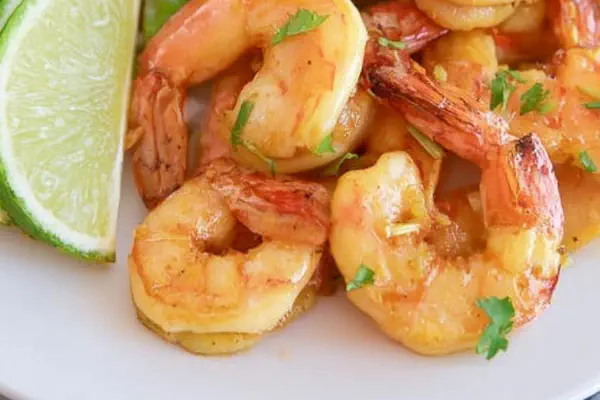
Zesty Ginger Shrimp
E
By Emma
Certified Culinary Professional
•
Recipe tested & approved
Shrimp soaked in a tangy soy lime marinade, pan-seared with ginger and garlic. Quick cooking, bold flavors, fresh and bright with a hint of sweetness.
Prep:
35 min
Cook:
6 min
Total:
41 min
Servings:
4 servings
#Asian Fusion
#Seafood
#Quick Meals
#Shrimp
#Marinades
Before You Start
Halfway through my first shot at shrimp marinated in soy and lime, I realized you gotta trust the visual cues not the clock. The marinade is simple but sneaky — brown sugar needs to dissolve enough to tone down dark soy’s salt punch without drowning the zing of lime. Ginger and garlic bring that punchy aroma early on, teasing the senses before the pan hits blast. Tossing the shrimp in hot oil, you want that faint pop, a quick browning underneath before they curl up tight and blush pink. Overcook? Rubber city. Undercook? Raw and slimy. Shrimp cook fast but these little things demand attention. The marinade time is more about flavor absorption than tenderizing here since it’s seafood. You can swap out vegetable oil for avocado oil or even peanut for a nuttier edge. I tried using honey instead of brown sugar once — adds deeper caramel notes but watch the burn rate. This dish is a quick pivot to fresh bright eats after too many heavy suppers, and I always keep lime on hand–something about the sharp citrus brightness wakes everything up beyond just the flavor.
Ingredients
- 1 lb raw shrimp, peeled and deveined
- 1/4 cup soy sauce
- 3 tbsp vegetable oil
- 1 tbsp fresh ginger, finely grated
- 3 cloves garlic, minced
- 2 tbsp fresh lime juice
- 1 1/2 tbsp light brown sugar
- Cooking spray
In The Same Category · Seafood
Explore all →
Grilled Whole Red Snapper

Crab-Stuffed Lobster Tail
Beer Battered Fish Fry
Fish in Spiced Crust
Steamed Lobster Simple
Haddock Apricot Glaze

Grilled Garlic Butter Shrimp
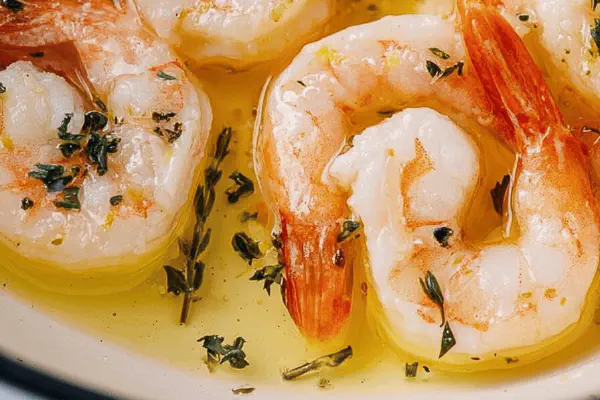
Garlic Lemon Brined Shrimp
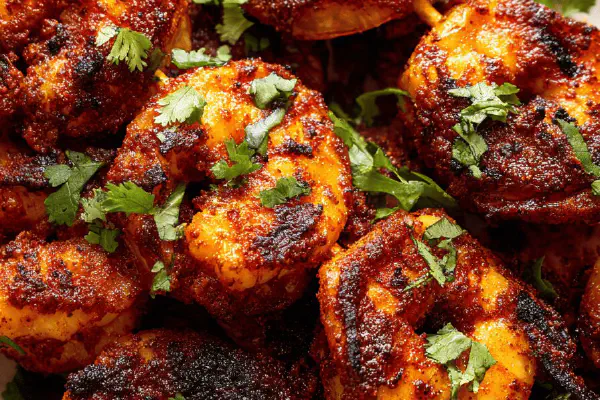
Spiced Cajun Shrimp Skewers
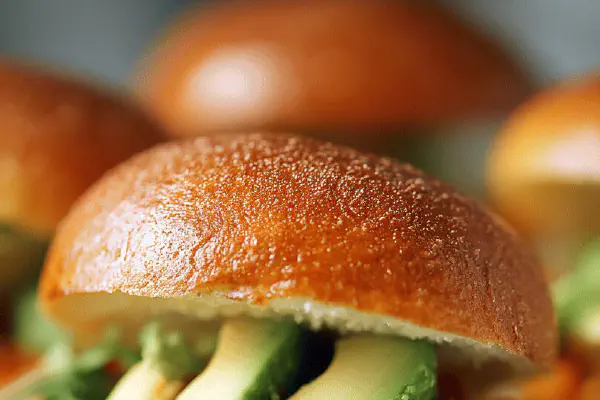
Nordic Shrimp Avocado Burgers
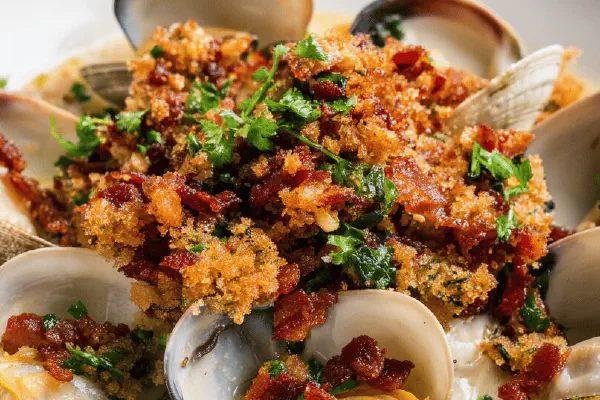
Clams White Wine Bacon Crumble
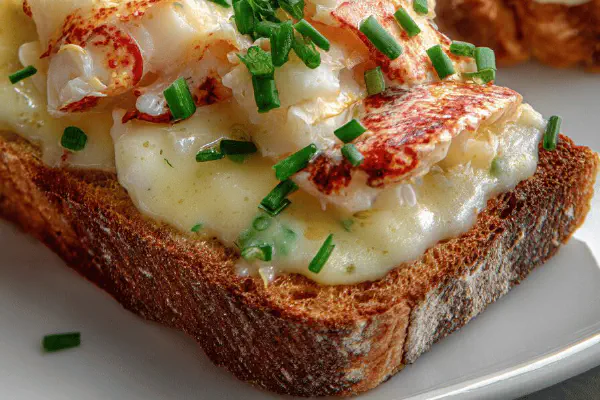
Lobster Croque-Monsieur Twist
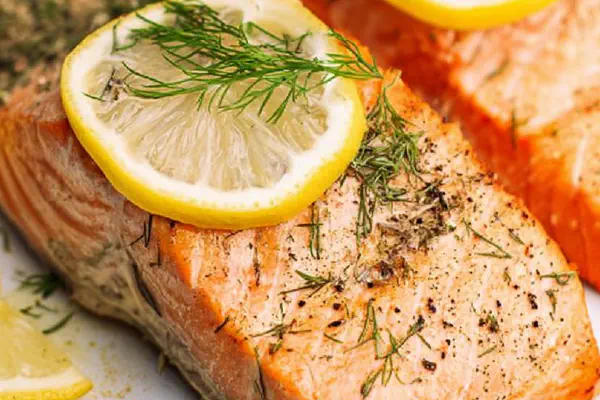
Lemon Dill Salmon Twist
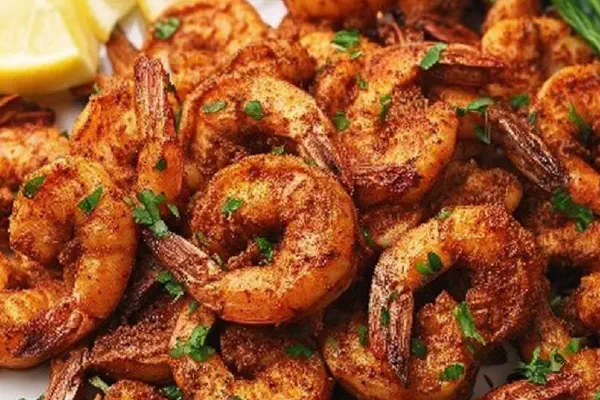
Spiced Air Fryer Shrimp
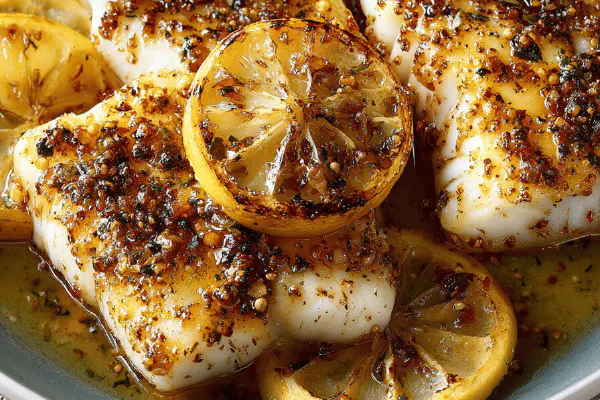
Glazed Fish Dijon Twist
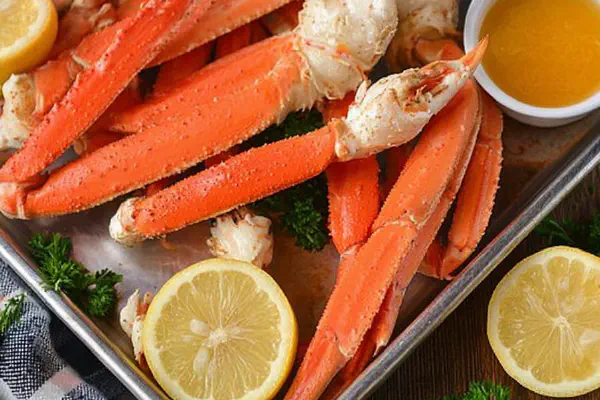
Snow Crab Legs Guide
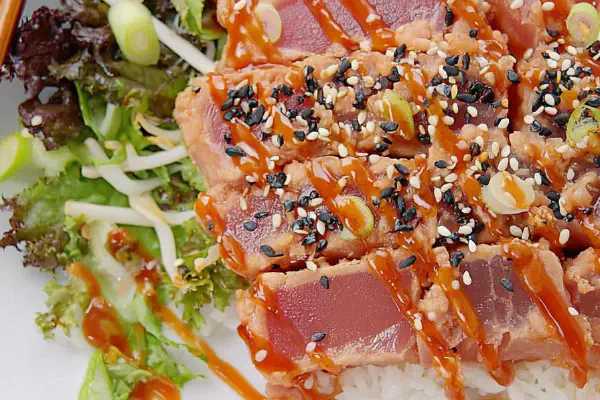
Sesame Seared Tuna Volcano
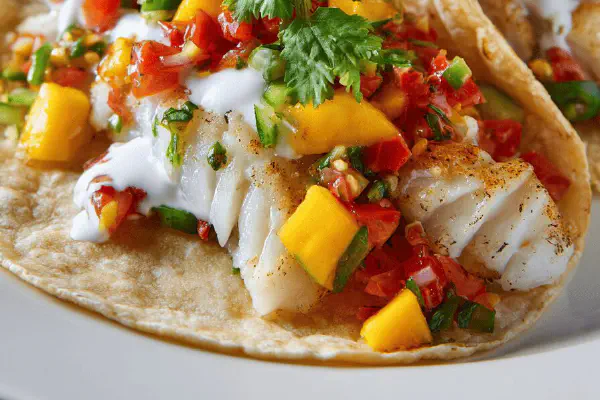
Tangy Fish Tacos Twist
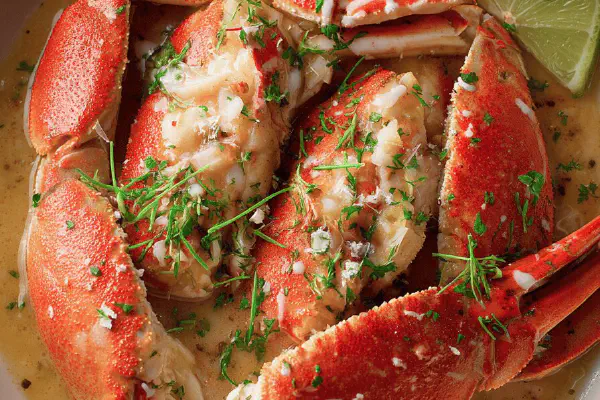
Hot Butter Snow Crab
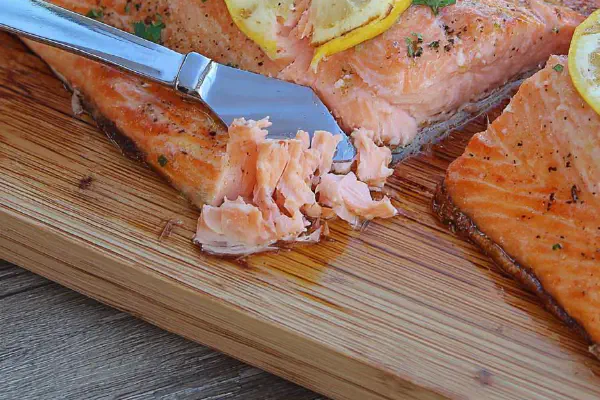
Spicy Cedar Plank Salmon
About the ingredients
Shrimp needs to be peeled and deveined for best texture, but if you prefer tails on for grip or presentation, leave them attached. Soy sauce gets you that salty balance but low sodium works if you’re watching salt intake. Dark soy adds too much color and can overwhelm the lime, so stick to regular or tamari. Vegetable oil chosen here for neutral flavor and high smoke point but apricot, safflower or grapeseed oils work too. Fresh ginger grated is crucial — powdered ginger just doesn’t have the punch or freshness this quick dish needs. Garlic can be sliced thinner or pounded for milder intensity. Lime juice is freshly squeezed only — bottled juice tastes flat and dulls the brightness. Brown sugar can be swapped for coconut sugar if you want a hint of earthiness. Cooking spray is a kitchen shortcut; if you lack that just use a teaspoon of oil and a nonstick pan. All these swaps won’t break the recipe but each gives a subtle shift in aroma and mouthfeel to pay attention to.
Method
- In a medium bowl combine shrimp with soy sauce, oil, ginger, garlic, lime juice and brown sugar. Stir well so every shrimp is slick with marinade. Let it rest at least 12 minutes, stir halfway through for full coverage.
- Heat skillet over medium-high setting. Spray lightly with cooking spray so shrimp doesn’t stick or burn. Dump shrimp in, shake off excess marinade first. Listen for that sizzling pop—the shrimp hitting hot pan.
- Cook shrimp around 2 1/2 minutes each side. Watch for color shift, from translucent gray to opaque pink, and the shrimp curling tightly. When tails curl completely and surface feels firm, pull off heat. Don’t overcook or they get rubbery.
- Serve shrimp piled atop leafy greens or eat straight from the pan for that juicy snap. Garnish with extra lime wedges or thinly sliced chilies if you want heat.
Cooking tips
Marinate shrimp no less than 10 minutes but don’t exceed 20 — too much soaking in soy can toughen the flesh. Make sure to stir shrimp halfway through so every piece gets evenly coated and flavor penetrates. When heating the skillet, medium high is the sweet spot — too low and shrimp release water, steam instead of sear. Listen for that quick sizzle, it means pan is ready. Discard marinade because it’s raw and will make shrimp steam if added back in — flavor is locked in by now. Cooking each side around 2 1/2 minutes depends on shrimp size; judge by color change to opaque pink and resistance to touch — shrimp spring back slightly when done but aren’t sticking to the pan. Remove from heat promptly to prevent toughness. Serve immediately so shrimp stay juicy and fresh. Quick salad topping? Throw over greens with sliced cucumber or chopped herbs for textural contrast. Leftover marinade? Boil and reduce for a dipping sauce but adjust sweetness and acidity as it intensifies during cooking. This pan-sear technique saves time and develops incredible umami and brightness while avoiding overcooking—a balance I’ve chased through many trial runs.
Chef's notes
- 💡 Marinate shrimp minimum 10 minutes for flavor, max 20 to avoid toughening. Stir halfway so every piece gets wet. Soy is salty, avoid dark soy that masks lime brightness. Brown sugar dissolves slow — grate finely or stir longer. Honey swap changes caramel notes but watch pan temp closely — burns easy. Oil matters: high smoke point oils like vegetable, grapeseed, or avocado work best. Skip powdered ginger — fresh grated punch is key. Lime juice fresh only — bottled kills brightness dead. Cooking spray or light oil coat helps avoid sticking; no spray? Use teaspoon oil and nonstick pan.
- 💡 Heat pan medium-high until sizzling before shrimp touch down. You want that pop, not steam. If sizzle absent shrimp release water, worse rubbery texture. Shrimp cooked 2½ minutes a side, visual cues over time—shifts from translucent gray to opaque pink, tails curl tightly, feel firm but springy. Overcooked is rubber city; undercooked, slimy and risky. Pull promptly when tails curl and surface resists slight pressure. Residual heat cooks a bit after removal. Don’t add marinade back in - raw and will steam shrimp.
- 💡 If tails preferred for grip or presentation, leave on. Peeled and deveined best for bite and texture. Low sodium soy saves salt overload but regular soy retains balance better than dark soy which dulls lime zing. Brown sugar is baseline sweetener, coconut sugar if earthier hit preferred. Garlic can be sliced thin or pounded for milder heat. Heat level and marinade time impact flavor intensity. Quick salad topping? Mix shrimp with cucumber slices, chopped herbs, or fresh chilies to balance rich flavors and texture. Leftover marinade boils down to dipping sauce - tastes stronger, adjust acid and sugar.
- 💡 Watch for color and sound, not just clock. Shrimp curl fully when done, edges blush opaque. Quick sizzle fades as shrimp cooks; if pan too cool, shrimp release moisture and steam instead of sear. Use fresh lime wedges alongside for an added zing hit at serving, cuts richness and brightens palate. Oil type changes mouthfeel subtly; vegetable oil neutral, peanut or avocado add nuttier notes. Experiment carefully or keep to original for consistent results.
- 💡 Marinate shrimp in medium bowl, stir often for even soak. Use cooking spray lightly, prevents sticky pan but avoid oily puddles that cause splatter. Once shrimp goes in, don’t crowd pan—shake off extra marinade, too wet leads to steaming. Heat difference between low and medium-high alters finished texture drastically. Check shrimp by feel; firm, springy, no give marks done. Serve hot immediately to keep juiciness. Leftovers? Reheat gently or eat cold in salad but texture changes.
Common questions
How long to marinate shrimp?
At least 10 minutes. No more than 20. Soy toughens past that. Stir halfway for coverage. Don’t soak too long or rubbery. Flavor absorption beats tenderizing here. Quick soak keeps freshness.
Can I use bottled lime juice?
Not recommended. Bottled lacks fresh brightness. Dulls the sharp citrus punch critical here. Fresh squeezing key. No shortcuts. Some say add zest but fresh juice still best. Alternatives alter balance.
What if shrimp sticks to pan?
Pan not hot enough or lacking oil/spray. Medium-high heat needed, pan must sizzle. Too cold = shrimp release water, steam and stick. Use cooking spray or teaspoon oil. Nonstick pans help. Pat shrimp dry if excess marinade.
How to store leftovers?
Refrigerate covered. Eat cold in salads or gently reheat in quick pan toss but texture suffers. Avoid freezing cooked shrimp from this recipe; loses texture badly. Leftover marinade can be boiled down for sauce but adjust acidity and sweetness after reduction.
You’ll Love These Too
Explore all →
Coconut Snowballs

Fish Terrine Twist
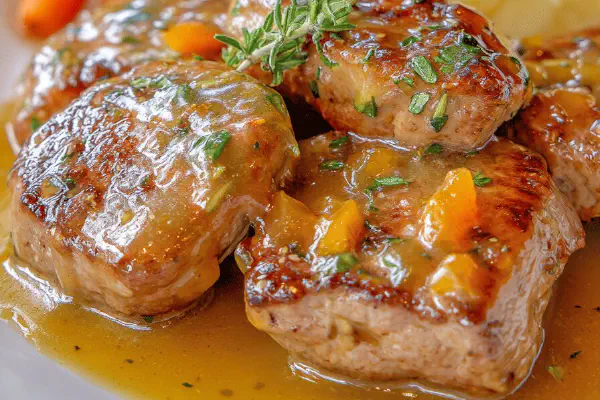
Pork Medallions Tangerine Glaze
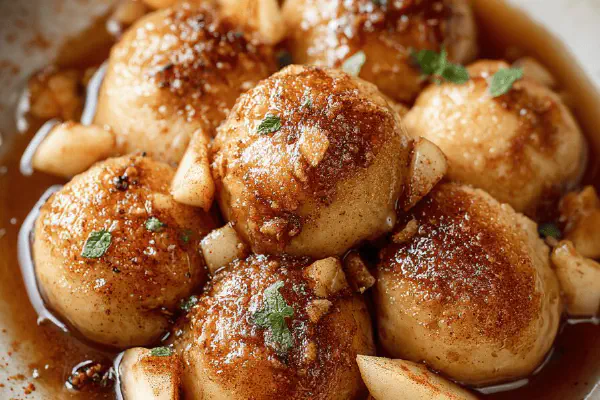
Apple-Stuffed Maple Dumplings
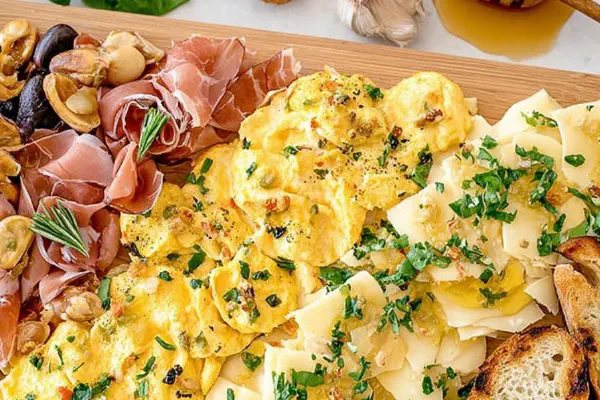
Herbed Butter Board
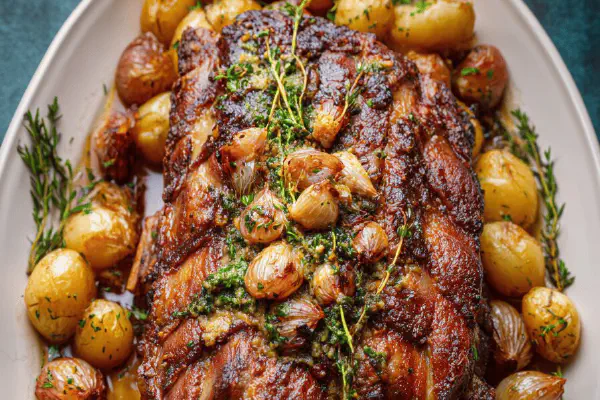
Slow-Roast Rib Beef Twist
Twisted Cheese Tortellini
One Pot Chicken Pie Noodles
Spiced Pumpkin Cheesecake
Fresh Fruit Salad Twist
Peanut Butter Oreo Bites

Lobster White Chocolate Soup
Creamy Butter Wine Sauce
Spicy Chicken Egg Rolls

Fried Banana Cheesecake Rolls
Wild Mushroom Walnut Butter

Sausage Shrimp Jambalaya
Smothered Beef Burritos

Painted Easter Cookies
Salisbury Steak Meatballs