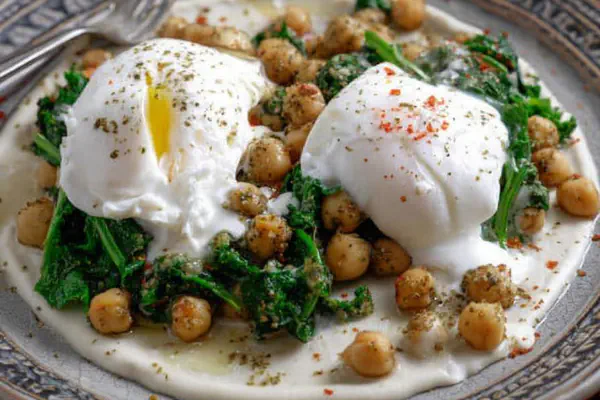
Za'atar Chickpeas Poached Eggs
E
By Emma
Certified Culinary Professional
•
Recipe tested & approved
Warm spiced chickpeas tossed in za’atar with wilted spinach and tangy lemon-yogurt, topped by soft poached eggs for a flavorful, textured breakfast or brunch.
Prep:
7 min
Cook:
21 min
Total:
28 min
Servings:
2 servings
#Middle Eastern
#Brunch
#Poached Eggs
#Vegetarian
#Chickpeas
#Healthy
#Quick Meals
Before You Start
Lately, I’ve been obsessed with quick meals that somehow hit salty, tangy, and earthy all at once. These za’atar spiced chickpeas tossed with spinach and creamy yogurt are a staple when I need simple but elevated food that doesn’t scream brunch only. Poached eggs, runny and tender, are crucial — they tie the tang and herbs together with their rich silkiness. I learned early: overcooked eggs kill the point; under-seasoned chickpeas are sad. So, I adjusted timing a bit, watching chickpeas sizzle until just warmed, spinach wilt but still bright green, eggs softly set but jiggly. Lemon zest in yogurt is a discovery too — transforms it from bland cream to lively sauce. I switched up oil quantities slightly, kept that za’atar front and center. This combo is forgiving but don’t skip the pink sea salt finish. The crunch and mineral pop bring it all home. Easy to swap chickpeas for other beans or add crunch with nuts if you’re feeling clever. Kitchen life hacks: keep eggs and spinach ready while chickpeas cook, that way plating goes quick and neat.
Ingredients
- 1 cup plain Greek yogurt
- 1 lemon zest and juice
- 1 1/4 cups canned chickpeas drained and rinsed
- 1 1/2 tablespoons za’atar seasoning
- 2 tablespoons olive oil
- 3 cups fresh spinach
- 4 large eggs
- Pink sea salt for finishing
In The Same Category · Breakfast
Explore all →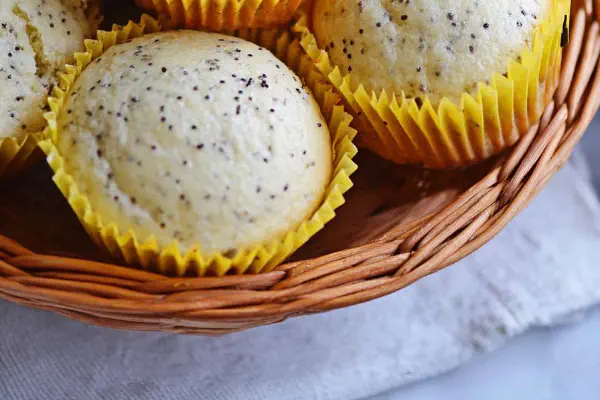
Lemon Poppy Muffins Twist
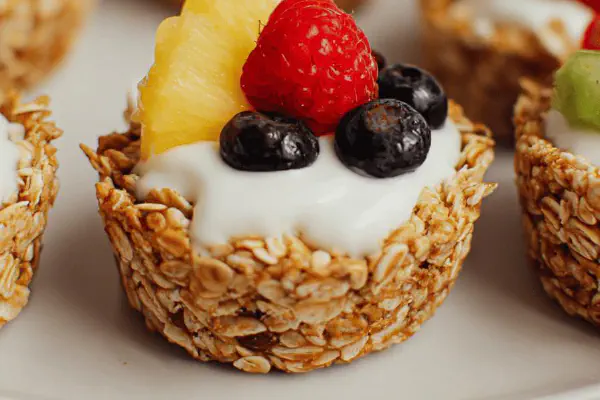
Oatmeal Nest Cups

Peanut Butter Chocolate Chip Muffins

Double Chocolate Pancakes
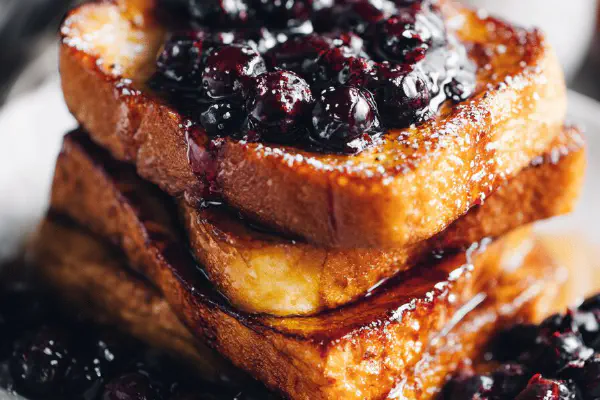
Maple Caramelized French Toast

Oat Almond Waffles Twist

Fluffiest Buttermilk Pancakes

Curry Omelette Breakfast Sandwiches

Chunky Breakfast Burritos
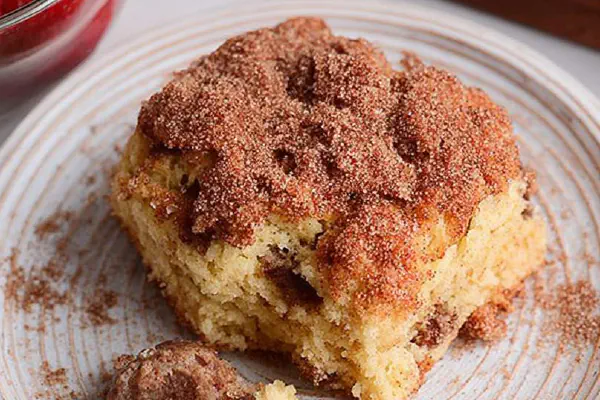
Cinnamon Sugar Biscuits Remix

Upside-Down Caramel Buns

Baked Frangipane French Toast
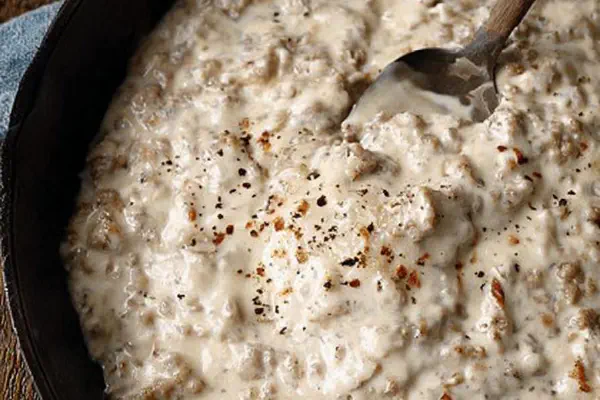
Sausage Cream Gravy

Chocolate Hazelnut Pancakes

Pumpkin Spice Pancakes Twist
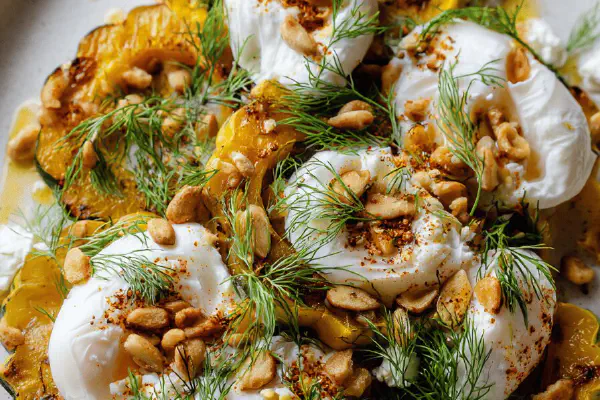
Turkish Eggs with Roasted Squash Twist
Corn Flour Savory Crêpes
Bubba Breakfast Burger

Belgian Waffles Redo
Maple Cinnamon Brioche Rolls
About the ingredients
Greek yogurt should be thick enough to hold some body but any plain, full-fat yogurt works. If yogurt is too thin, strain it in cheesecloth beforehand for a few hours—gets creamier, less watery. Lemon zest adds essential brightness—if no fresh lemon, use bottled juice but reduce quantity, or swap with a splash of vinegar plus a pinch of sumac for similar zing. Za’atar seasoning varies — if you can’t find it, blend dried thyme, sesame seeds, sumac, and salt; or use a mix of fresh herbs and a pinch of cumin. Chickpeas: canned preferred for speed, but slow-cooked dried chickpeas soaked overnight yield superior texture if you have time. Olive oil quality matters for flavor; lighter oils can be substituted but lose aroma complexity. Fresh spinach is best but baby kale or chard can sub in—note tougher stems and slightly longer cooking. Eggs fresh, large size set ideal; older eggs won’t poach as neatly but still edible. Pink sea salt isn’t mandatory, but finishing salt of any coarse variety brings out layers — flaky Maldon or kosher salt are good alternatives. Toss in toasted pine nuts or pepitas for crunch if you want to experiment. If za’atar is strong, dial back quantity by half; it can overpower otherwise mild chickpeas.
Method
- Start whisking yogurt with lemon zest and juice in a bowl. The acidity wakes the yogurt, thickens it slightly, and adds brightness that cuts through richness.
- Heat 1 tablespoon olive oil in skillet till shimmering but not smoking — patience here. Toss in chickpeas with za’atar; stir gently, coating every one so spices stick but don’t burn. Warm through until they sizzle faintly and soften — about 6 minutes. Should smell herby, slightly nutty.
- Remove chickpeas, place in bowl and set aside warm. Use same skillet, add remaining oil, then spinach. Toss quickly till leaves just hit silhouette of limpness — vibrant green but soft, not soggy. Remove from heat before any browned bits to avoid bitterness or excessive wilting.
- Time for eggs. Use freshest possible. Heat saucepan with an inch of water; bring gentle simmer. Add teaspoon vinegar for better coagulation but no flavor if careful. Crack eggs one at a time into small cup, slide close to water surface. Poach 3-4 minutes until whites firm but yolks quiver under pressure. Drain on paper towel. If shells break, run finger to gently fish out fragments—no surprises. If you struggle with poaching, try swirling gently or use silicone cups as backup.
- On warm plates spread lemony yogurt in a thin bed — tart cushion against warm chickpeas. Spoon chickpeas evenly. Layer spinach next, its silky, verdant softness balancing earthiness.
- Top each plate with 2 eggs, gently pat down to keep yolks visible and runny. Sprinkle pink sea salt—you want crunch and mineral hit.
- Bonus tweak: swap chickpeas for warm roasted cannellini beans, or add toasted pine nuts for crunch if feeling fancy. Want a smoky twist? Toss chickpeas with smoked paprika before cooking.
- Serving tip: Warm plates keep yogurt chilled yet creamy, contrast with toasty chickpeas and silky eggs worth savoring. Keeps well if stored but best fresh; yogurt bed stops chickpeas drying out.
Cooking tips
Whisking yogurt with lemon juice and zest wakes dairy proteins, brightens fat, and adds tang — skip this and the base tastes flat. Heating olive oil until just shimmering ensures chickpeas don’t stick or burn at start—don’t let oil smoke or it’ll turn bitter. Gently stirring seasoning into chickpeas coats every surface, allowing aromatic oils to release; over stirring crushes their shape. Using same skillet for spinach picks up leftover spices and oil, layering flavor without washing out pan. Spinach wilts in seconds; stop cooking as soon as leaves turn glossy but not soggy — overcooked spinach is watery and dull. Poached eggs require water just simmering (little bubbles, not rolling boil) so whites cook gently. Vinegar in water strengthens egg whites quickly, avoids stringy tails floating — but too much vinegar ruins taste, so no more than a teaspoon per liter. Crack eggs individually to ensure no shells or yolk breakage, gently reduce water movement as you drop eggs for intact shapes. Timing poach to get firm whites and soft centers is a skill; practice with one egg first. When plating, spread yogurt thin to not overwhelm chickpeas or spinach—balance flavors and textures. Sour yogurt, warm chickpeas, lush greens and runny eggs—elements need ideal temperatures to stay distinct but harmonious. Sprinkle salt last, just before serving, to preserve crunch and punch. Prepare ingredients in order to streamline: yogurt whisked while oil heats, chickpeas cook, then spinach, and eggs finally poached — keeps everything fresh and warm. If pressed for time, poach eggs in advance but keep in warm water with lid on to retain heat. This setup teaches multitasking and timing precision—essential skills for busy kitchens.
Chef's notes
- 💡 Whisk yogurt with lemon zest and juice before plating. Makes it brighter, thicker, not flat or dull. Adds sharp tang that cuts through rich chickpeas. No zest? Use vinegar plus sumac but reduce vinegar carefully. If yogurt smells sour, strain in cheesecloth hours ahead—gets creamier, no weep. Thick yogurt holds layers better underneath. Skip this and base feels watery, bland.
- 💡 Heat olive oil in pan till it just shimmers, no smoke—important. Oil smoking burns spices fast; turns bitter, ruins timing cues. Toss chickpeas with za’atar quickly but gently. Stir too much crushes chickpeas, too little spices uneven. Look for faint sizzle, nutty herbal scents. About 6 minutes tops or chickpeas dry or limp. Warm smells almost sweet, not acrid.
- 💡 Spinach wilts in seconds; toss in same pan for flavor lift. Stop cooking when leaves turn bright glossy green, soft but not sodden. Brown bits or overcooked spinach mean bitterness or mushy texture—bad counterpoint to silky eggs. Use baby kale if no spinach—longer cook, tougher stems, adjust time. Drain excess liquid if needed so yogurt bed stays creamy, not watered down.
- 💡 Poach eggs in barely simmering water with vinegar added—not too much, teaspoons per liter—strengthens whites, reduces stringy tails. Crack eggs individually and slide gently near surface to keep shape intact. Time 3-4 minutes for whites firm, yolks quiver under gentle pressure. If shells break, run finger in water to fish bits asap—no crunchy surprises. Use silicone poach cups for easy fallback but lose some silkiness.
- 💡 Finish plates with pink sea salt or flaky salt on eggs not chickenpeas or greens—keeps crunch and mineral pop. If you want crunch elsewhere, toss pine nuts or pepitas toasted with chickpeas. For smoky depth, coat chickpeas in smoked paprika before cooking. Swap chickpeas for roasted cannellini beans if preferred. Keep plates warm. Yogurt cold but creamy, chickpeas hot without drying out. Timing matters.
Common questions
What if I don’t have za’atar?
Blend dried thyme, sesame seeds, sumac, a pinch salt. Or fresh herbs plus cumin works. Close enough, flavors shift but still layered. Sometimes simpler blend better; za’atar can overpower mild chickpeas.
How to tell when eggs are done?
Whites firm but not rubbery. Yolk still wobbly under light poke. If water’s too hot, whites get tight, yolk tough. If simmer’s slow, better shape, softer centers. Practice key. Use small cup to slide eggs. Gentle simmer bubbles signals right temp.
Can I meal prep this?
Chickpeas reheat okay but lose some crispness. Yogurt bed stops drying but keep chilled till serving. Spinach better fresh or reheat quick in skillet. Poached eggs best fresh or keep warm in water with lid on till plate. Not much longer than 20 mins without texture loss.
What if no fresh lemon for zest?
Lemon zest adds sharp brightness, missing means duller. Use bottled juice but reduce quantity or swap with vinegar plus pinch sumac to mimic brightness. Avoid substituting just more yogurt or oil–flavor dull. Zest oils add aromatic lift.
You’ll Love These Too
Explore all →
Garlicky Whip Sauce
White Chocolate Brownies Remix

Mini Pork Tourtières

Cheesy Pigs In Blanket
Grilled Pesto Chicken Parm
Peach Cobbler Remix

Simplified Black Forest Cake
Chipotle Turkey Chili Twist
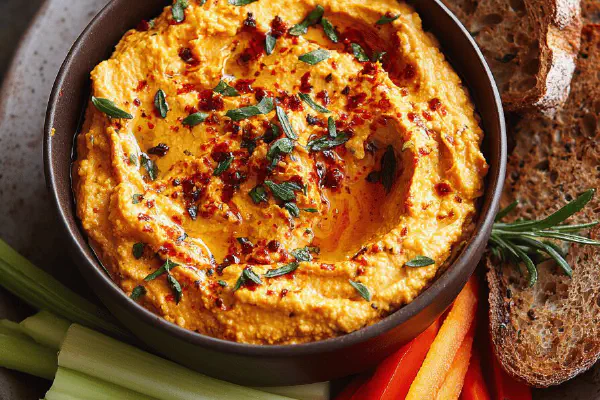
Charred Red Pepper Dip
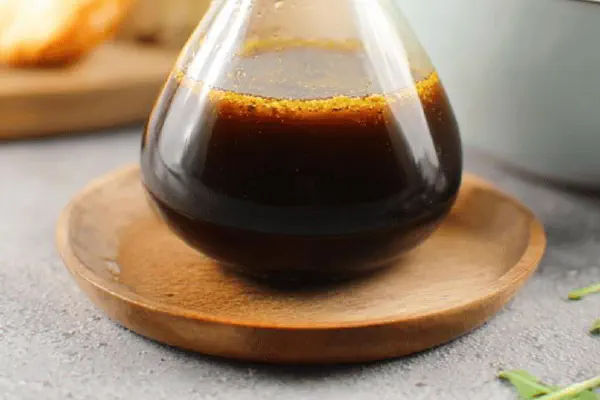
Garlic Balsamic Vinaigrette Twist

Buckeye Brownie Cookies
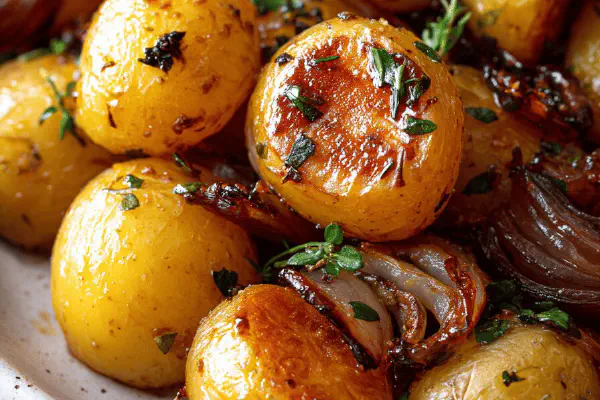
Golden Honey Potatoes
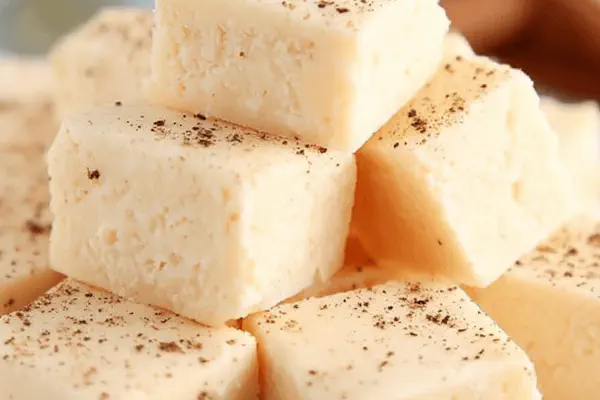
Eggnog White Chocolate Fudge
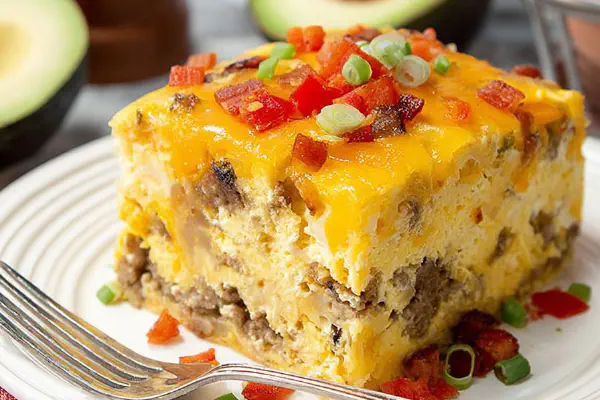
Slow Cooker Morning Casserole

Four Fruits Ginger Tart

Orange Cinnamon Rolls
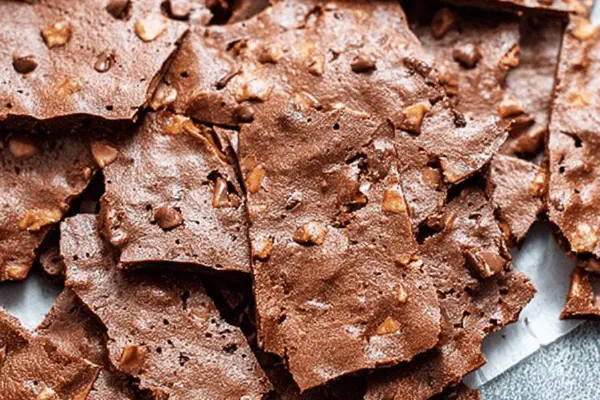
Crispy Brownie Brittle
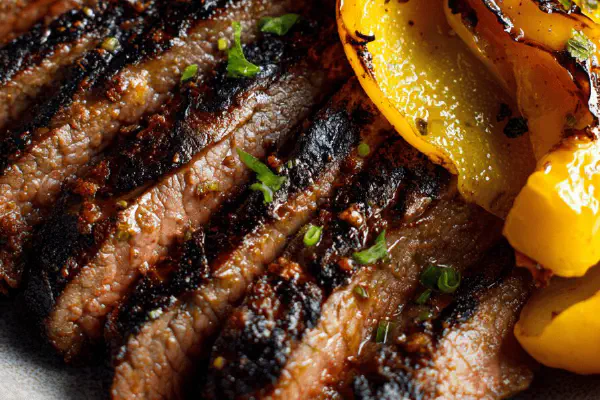
Grilled Flank Steak and Broccoli Pepper Stir
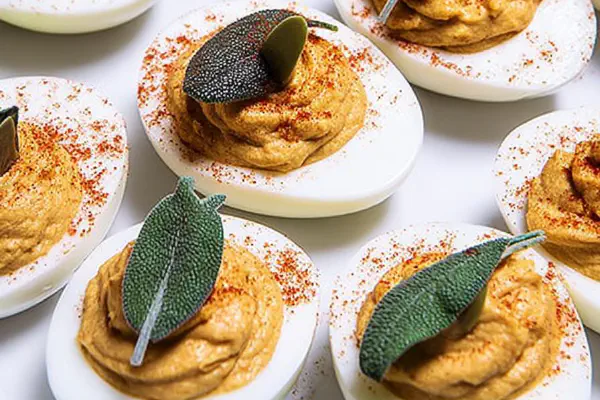
Spiced Pumpkin Deviled Eggs
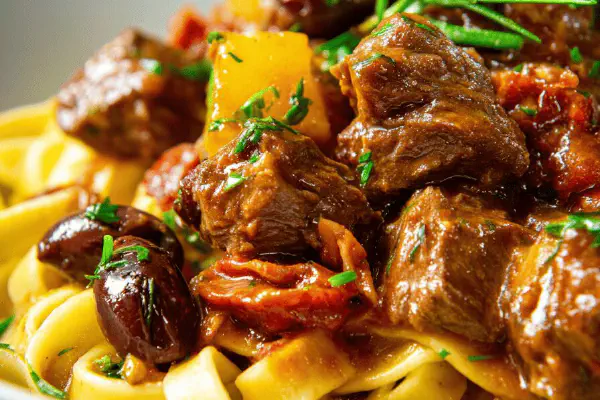
Slow Cooker Beef Daube Revival
