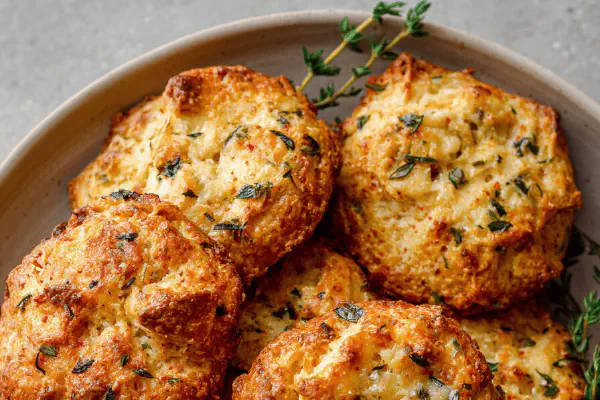
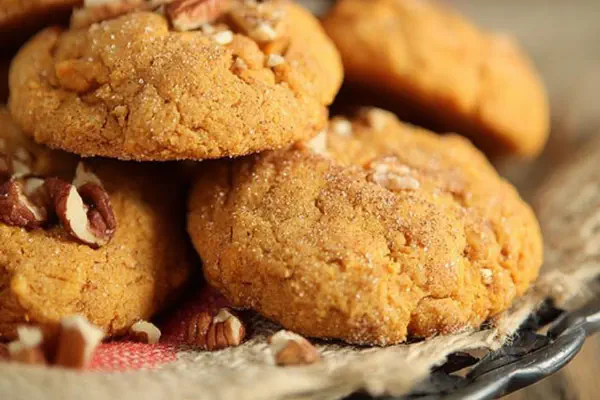
Sweet Potato Snaps
E
By Emma
Certified Culinary Professional
•
Recipe tested & approved
Sweet potato cookies with a twist. Brown and white sugars balanced with baking soda and flour. Freshly cooked sweet potatoes add moisture and flavor. Eggs bind. Butter lends richness. Toasted walnuts swapped in for pecans. Vanilla gives a warm background note. Dough scooped small to crisp edges but chewy centers. Oven temp slightly lowered for even bake. Cracking edges and golden hues tell you when done. Sprinkle turbinado sugar on top for crunch and sparkle. Store airtight; best within 3 days. Classic autumn snack with a nutty surprise. Familiar but not predictable.
Prep:
20 min
Cook:
15 min
Total:
35 min
Servings:
36 servings
#American
#autumn snack
#cookie recipe
#nutty
#chewy cookies
#baking tips
Before You Start
Sweet potatoes bark sweet and earthy but make the dough tricky. Moisture content varies wildly; got to eyeball stiffness. I learned to balance sugars for both caramel flavor and crisp snap edges, which took several tries. Vanilla is subtle but needed to round flavors. After swapping pecans for walnuts? Nuttier, bolder. The turbinado sugar tops? Must. Adds audible crackle with every bite, sensory treat in each chew. Oven times can deceive; temperature matters but smell and look matter more. Watch those edges, the golden kiss of done. Keep them small or risk underbaked middles or massive cookie flop. Bake times vary in old ovens. Always test one. Mixed textures, aromatic, tender—all in a humble cookie. Learned that sweet potato can shine beyond pies.
Ingredients
- 1 cup mashed cooked sweet potato
- 1 cup packed brown sugar
- ½ cup white sugar
- 1 teaspoon baking soda
- 2 ¼ cups all-purpose flour
- 2 large eggs
- ¾ cup unsalted butter softened
- 1 teaspoon pure vanilla extract
- 1 cup toasted walnuts chopped
- turbinado sugar for sprinkling (optional)
In The Same Category · Snacks
Explore all →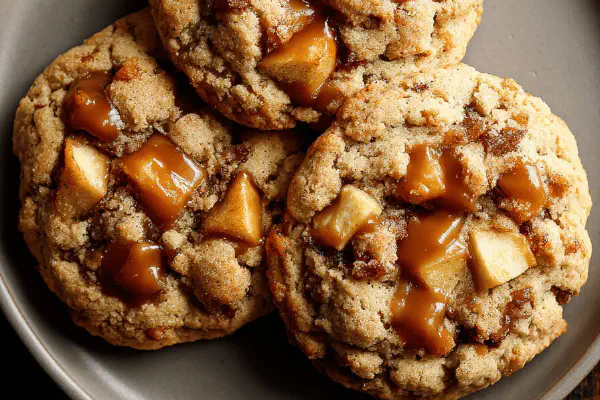
Apple Caramel Cookies
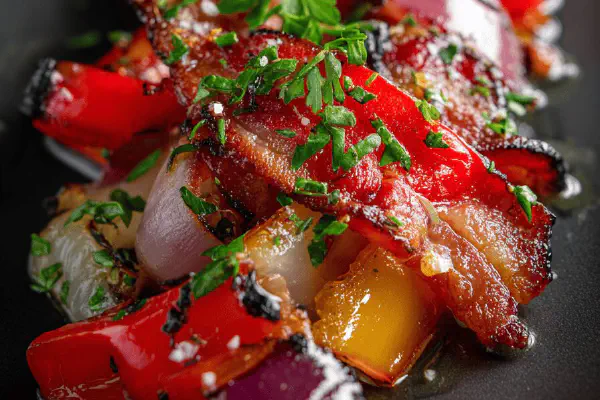
Caramelized Peppers Pancetta
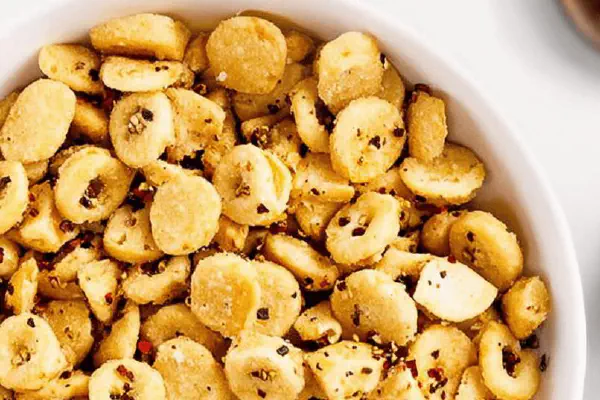
Spicy Ranch Firecrackers
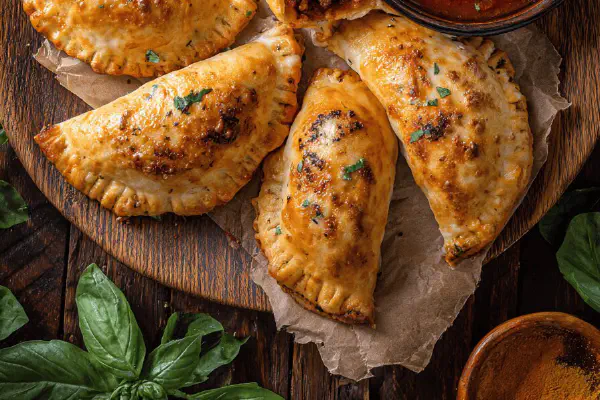
Stuffed Pocket Pizzas
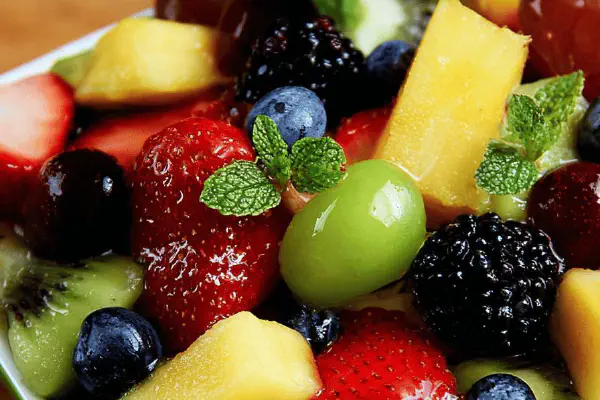
Fresh Fruit Salad Twist
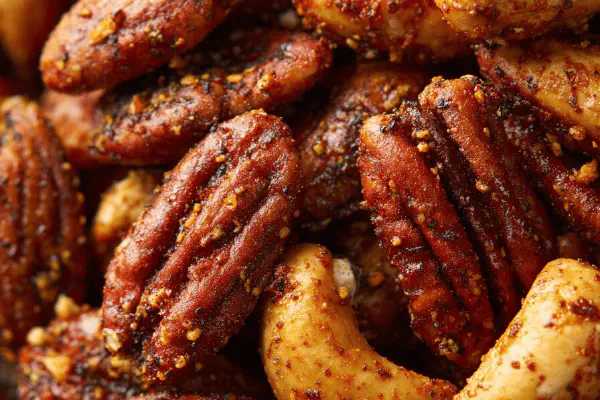
Spiced Mixed Nuts
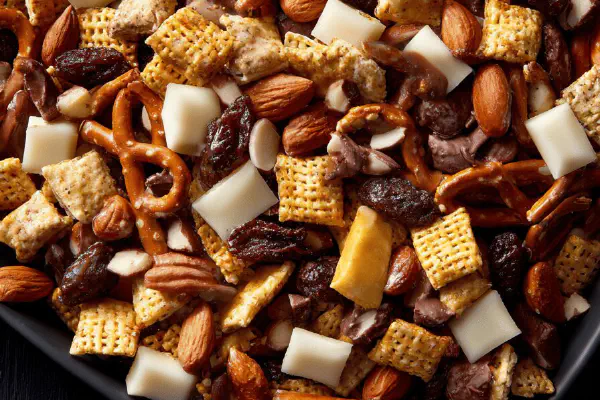
Twisted Sweet-Salty Mix
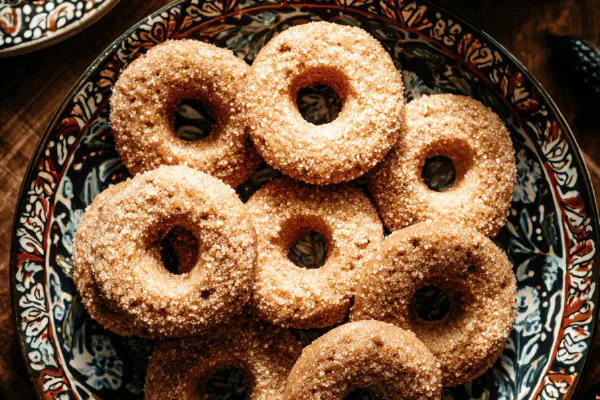
Anise-Spiced Italian Rings
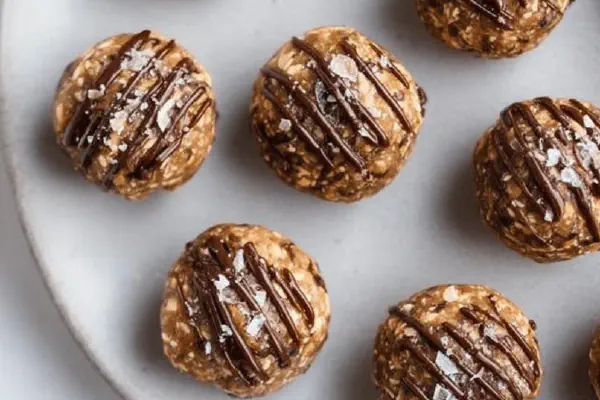
No-Bake Protein Bites

Samoan Sweet Coconut Rolls
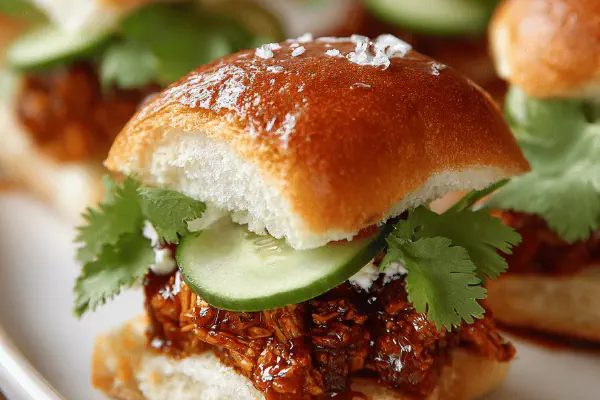
Shredded Tofu Sliders
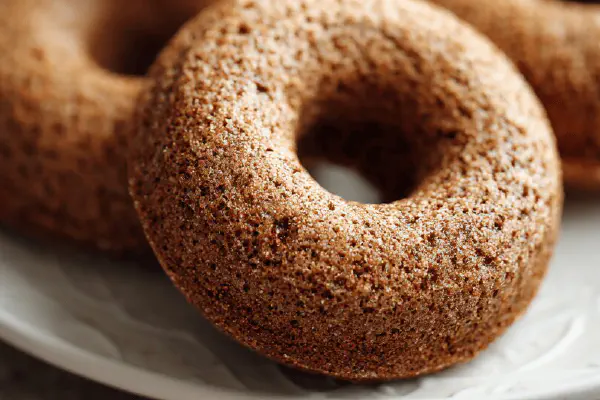
Baked Maple-Chai Donuts
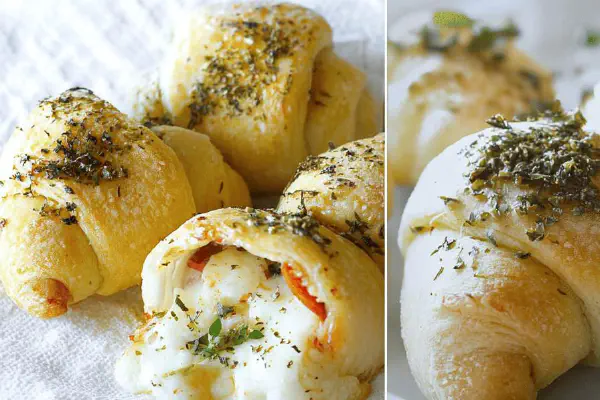
Stuffed Pepperoni Pizza Rolls

Canned Biscuit Pretzel Bites

Grapefruit Loaf Twist

Crispy Fried Green Tomatoes
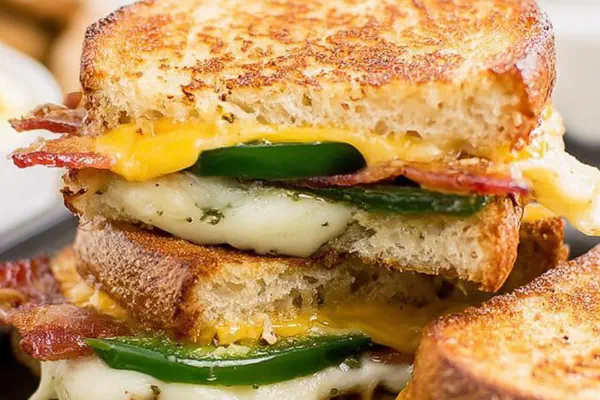
Jalapeño Popper Grilled Cheese
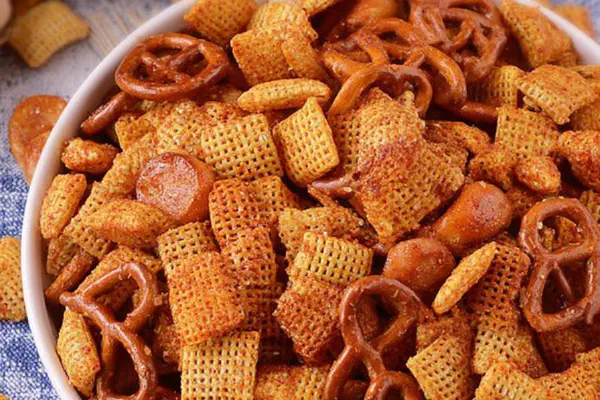
Spiced Honey Nut Mix
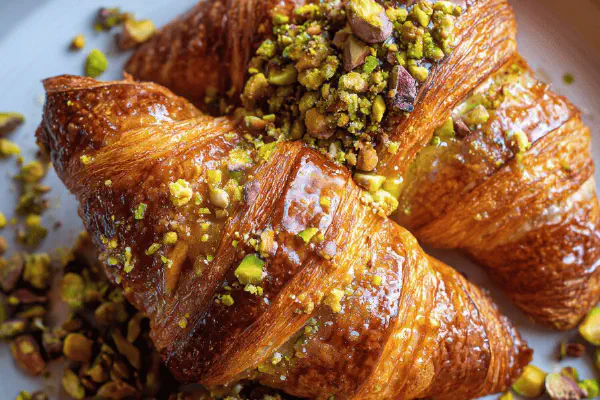
Pistachio Maple Croissants
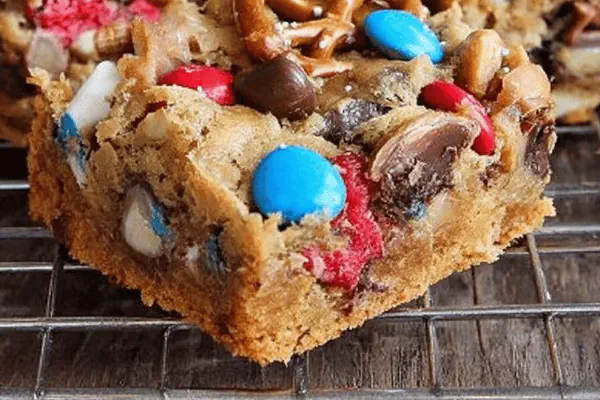
Salty Sweet Monster Bars
About the ingredients
Sweet potato: best cooked whole and mashed smooth. Avoid canned; fresh hits better flavor. Switch to pecans or cashews if walnuts not on hand, but toast nuts first to awaken oils. Butter softened but not melted helps integrate ingredients evenly. Brown and white sugar split for complexity; all brown makes it dense; all white less caramel taste. Baking soda is key crackle catalyst, raises pH to tenderize flour proteins. Vanilla extract, pure, not imitation, or swap half for maple syrup for earthier tone. Flour can be part whole wheat (¼ cup) for mild grainy texture but too much dries dough out. Turbinado sugar optional but recommended for final crunch and appearance. Egg sticks dough; avoid overbeating to keep chew intact. If nut allergy, sub sunflower seeds or omit nuts altogether.
Method
- Preheat oven to 340°F. Prep a baking sheet with parchment or a silicone mat. Do not skip lining; cookies stick otherwise.
- In a big mixing bowl, dump brown sugar, white sugar, baking soda, and sifted flour. Mix well with a whisk or fingers to avoid lumps.
- Add mashed sweet potato, eggs, butter, vanilla, and nuts. Stir until just combined; dough will be sticky but firm enough to hold shape.
- Scoop small portions with a cookie scoop. I use about one tablespoon size. Drop on prepared sheet spaced well, they spread a bit.
- Optional: sprinkle extra chopped walnuts and a pinch of turbinado sugar on each ball. Adds crunch and shimmer; tactile contrast.
- Bake 13-17 minutes. Watch for edges to firm and turn golden brown. Centers will look soft but not wet. Gives chewiness.
- Cool on wire rack. Avoid stacking warm cookies or they steam and soften too much.
- Store in airtight container at room temp for up to 3 days. Beyond, cookies lose chewy texture and become brittle.
Cooking tips
Heating oven first—never skip preheat or uneven bake junk. Using a silicone mat or parchment is a must to prevent sticking and ease cleanup. Mixing dry separately first avoids clumps; distributing baking soda well prevents metallic taste. Fold wet ingredients gently, overmix kills fluff and breaks gluten develop too much, turning cookies dense. Scoop small; big cookies risk raw center or disaster. Watch dough balls spread — if too flat, chill dough 10 minutes to tighten fats. Sprinkling sugar and nuts right before baking adds texture; add too early and sugar melts away. Baking smell intensifies when edges toning golden and centers look set, not jiggly. Leave on sheet 5 minutes after baking for firming before transferring. Store airtight to avoid stale, but eat soon—they lose charm fast. Learned that failing to cool properly causes soggy bottoms, so wire racks are non-negotiable.
Chef's notes
- 💡 Warm oven first always—preheat tight. Temperature matters. Low enough for edges to get golden but centers soft. Watch smell changes, that caramelizing sugar scent signals progress. Don’t rush; oven hotspots vary. Silicone mat or parchment line crucial. Stops sticking. Cleanup easier too. No second guessing these steps.
- 💡 Brown and white sugars split for flavor balance. All brown? Too dense; white alone? Lacks caramel. Mix well or lumps form, uneven bake. Baking soda distributed evenly to avoid bitter metal taste. Sift is handy but fingers work if careful. Stir wet ingredients just to combine; overmix kills air, toughens. Dough sticky means right hydration.
- 💡 Scoop small. Large makes raw centre or giant flop. Watch dough balls spread. If too flat chill dough briefly - fats firm, control spread better. Nuts toasted first - awaken oils, deeper flavor. Swap walnuts for pecans or cashews if needed, but always toast. Raw nuts boring and dull. Sprinkle sugar and nuts last minute. Sugar melts if too early.
- 💡 Watch edges crack and golden hue develop; best done indicator. Centers stay soft-looking but not wet or shiny. Bake longer if still jiggle. Let cookies rest on sheet 5 minutes before rack—shape firms up. Too hot or stacking warm cookies leads to soggy bottoms or steam-softened chew lost. Wire rack mandatory, air circulation vital.
- 💡 Sweet potatoes vary moisture; eyeball dough stiffness. Too wet? Add small flour bit. Too dry? Slight butter or egg adjust. Mashed smooth, no canned - fresh flavor wins. Vanilla extract pure best; half maple syrup possible for earthier tone but changes flavor profile. Egg binds dough but no overbeating; chew depends on minimal gluten development.
Common questions
Why crack edges matter?
Sign sugar caramelizing, moisture dropping out there. If edges not crack, underbaked likely. Centers still soft but hold shape. Oven variations huge here; use eyes and smell, not just timer.
Can I use pecans or cashews?
Yes toasted pecans or cashews great swap. Toast nuts first always to boost aroma and flavor. Raw nuts raw taste bland. Swap adds personal nutty note, changes crunch texture slightly too.
How to fix too flat cookies?
Chill dough 10 minutes tightens fats, slows spread. Scoop smaller too. Larger balls spread more; watch oven temps. High heat melts butter fast and flattens dough. Timing critical, temp control key.
Best way to store these?
Airtight container room temp up to 3 days max. Longer cookies turn brittle, no chew left. Freeze dough balls raw for later—bake fresh from freezer adds freshness. Avoid stacking warm cookies or steam ruins crisp edges.
You’ll Love These Too
Explore all →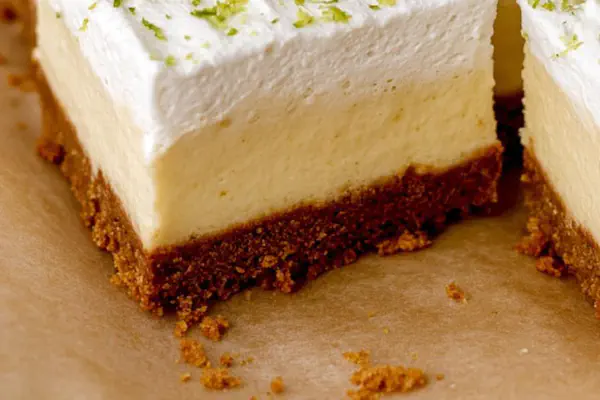
Tart Key Lime Bars
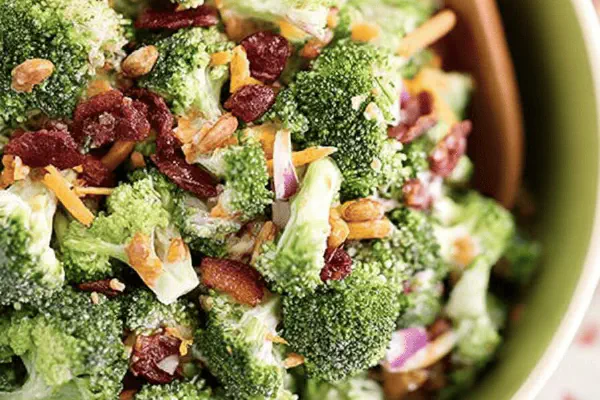
Crunchy Broccoli Salad Remix
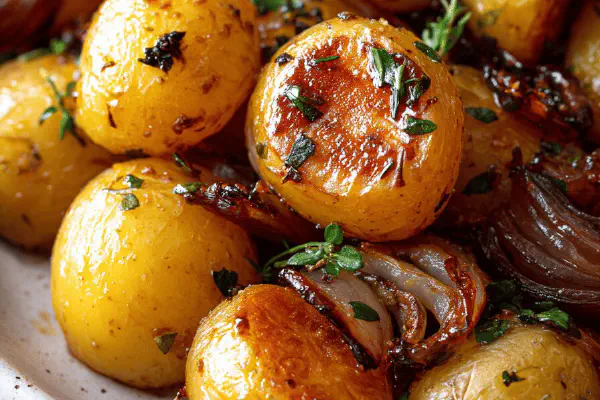
Golden Honey Potatoes
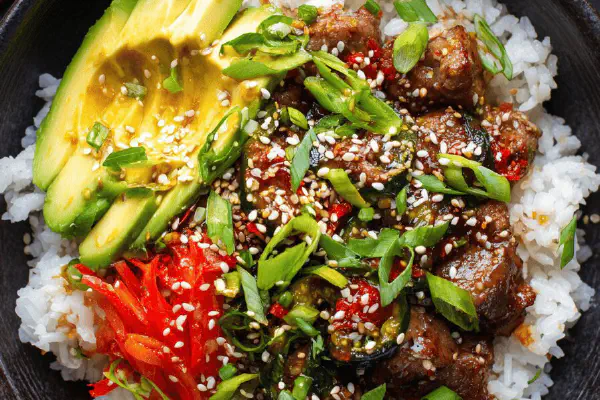
Korean Pork Rice Bowls with Avocado
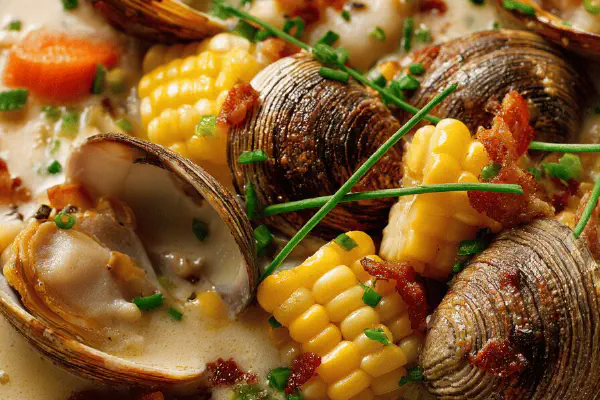
Clam Chowder Twist
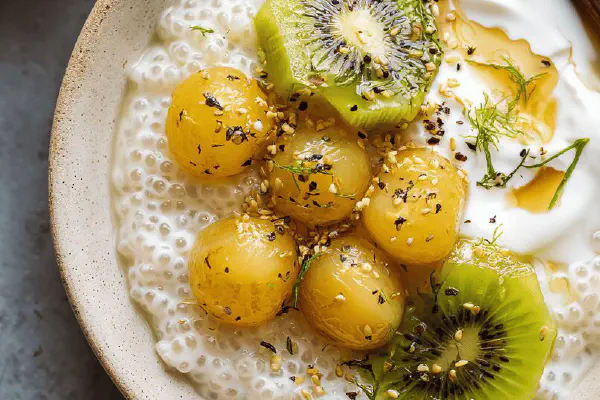
Jasmine Tapioca Kiwi
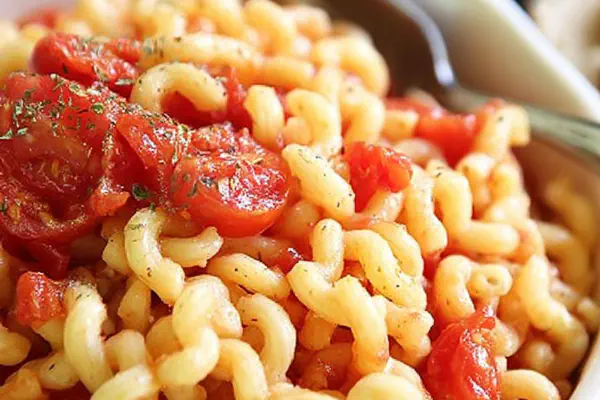
Macaroni Tomatoes Twist
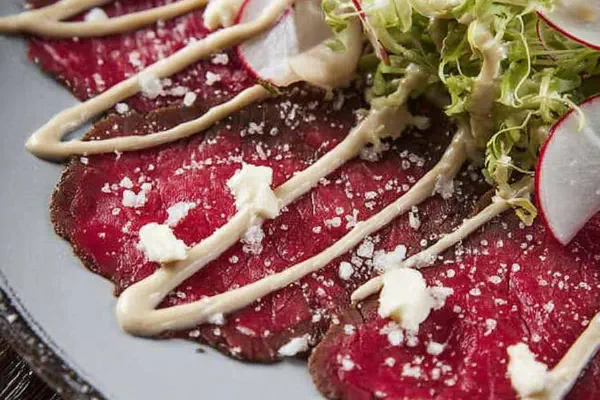
Coffee-Spiced Tenderloin Carpaccio
Stuffed Pepperoni Pizza Rolls
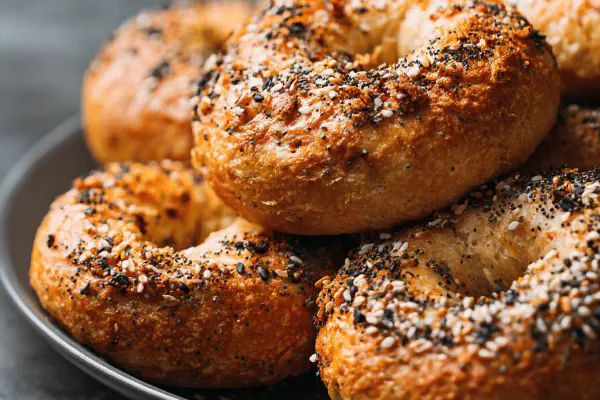
Air Fryer Yogurt Bagels
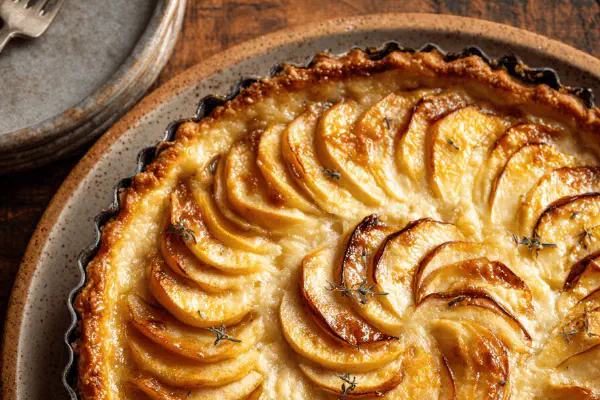
Apple Marmalade Tart
Rustic Onion Gratinée
Chunky Short Rib Chili
Ham and Potato Bake
Mini Cucumber Circles

Maple-Glazed Pork Medallions

Cold Salmon Taboulé Peas
Mediterranean Lamb Leg Roast

Peach White Rum Cooler

Raspberry Whoopie Pies
