
Soft Sugar Cookie Bites

E
By Emma
Certified Culinary Professional
•
Recipe tested & approved
Bite-sized sugar cookies with subtle almond twist. Rolled thick for a tender crumb. Easy to cut, freeze, and frost. Perfect for holiday decorating or casual snacking.
Prep:
15 min
Cook:
12 min
Total:
27 min
Servings:
60 squares
#cookies
#baking
#desserts
#holiday
#quick snacks
#almond extract
#buttercream
Before You Start
Biting into these sugar cookie morsels brings back memories of holiday frenzy and sweet chaos in the kitchen. Not just any cookie, but thick, soft squares that hold frosting like tiny edible canvases. Tried this with almond extract — subtle, no overpowering nutty notes, but a delicate twist to the classic vanilla. Rolled thick, chilled well, slices crisp up just right without drying out. Perfect balance of sandy butter bits and tender crumb. Frosting isn’t just decoration but part of the bite experience, paired with crunchy seasonal sprinkles. I’ve learnt to rely on tactile cues over timers here. Dough too dry? Milk is your friend, but add little, or it gets sticky. Rolling between parchment saves mess and prevents sticking—a must for quick handling. Freezing overnight? Even better. Portion control easier, no cookie dough meltdowns. The pizza cutter method results in imperfect, rustic shapes but that’s charm. Go heavy on chill time, patience pays here.
Ingredients
- 2 ¼ cups all-purpose flour
- ¾ cup granulated sugar
- ½ teaspoon fine salt
- 1 teaspoon baking powder
- 12 tablespoons unsalted butter cold, cut into pieces
- 1 large egg plus 1 egg yolk
- 1 ½ teaspoons vanilla extract
- ¼ teaspoon almond extract optional; use lemon extract alternative
- 1-2 tablespoons whole milk splash if dough too dry
In The Same Category · Desserts
Explore all →
Twisted Pistachio Cream Pie
Apple-Stuffed Maple Dumplings

Vanilla Orange Marble Marshmallow

Double Ginger Crunch Cookies

Yogurt with Spiced Carrot Jam
Maple Butter Cake
Banana Pudding Pie Twist
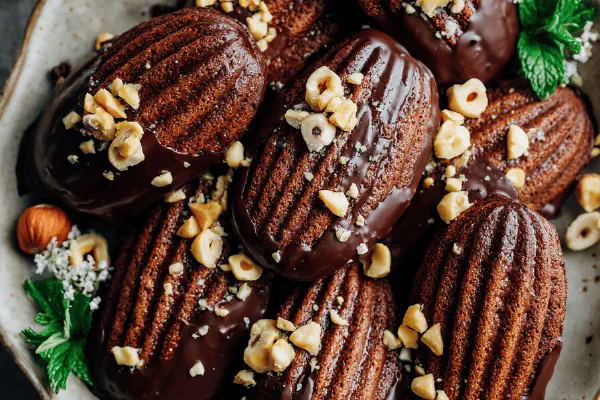
Chocolate Hazelnut Madeleines
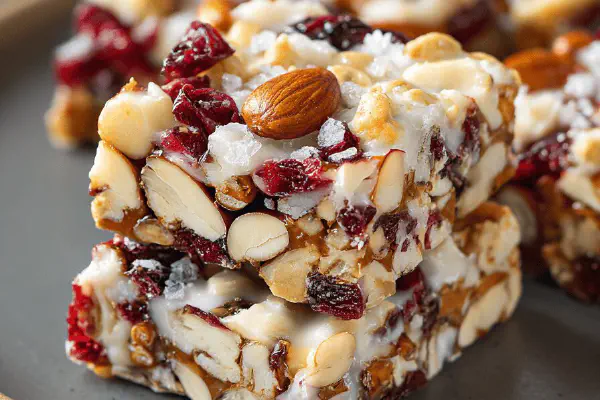
White Chocolate Cran-Pistachio Bars
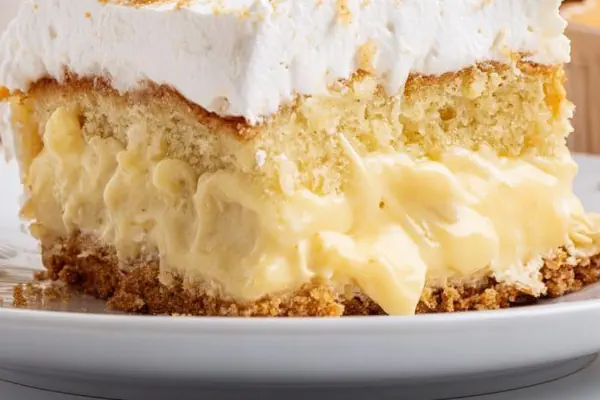
Banana Pudding Cake Remix
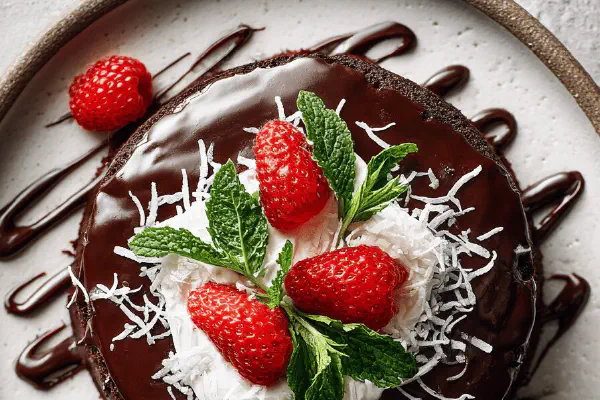
Twisted Dark Ganache
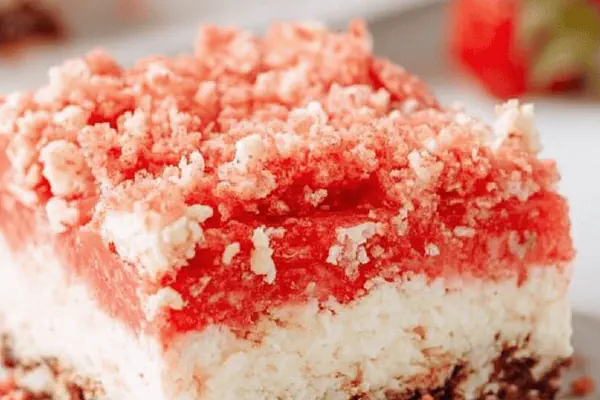
Strawberry Gelatin Brownies

Molasses Pumpkin Cheesecake Bars
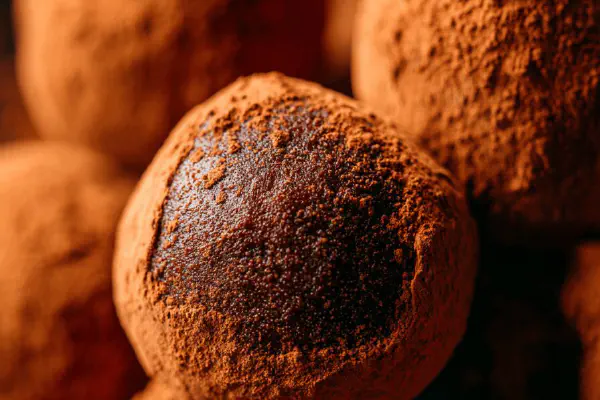
Gingerbread-Spiced Truffles
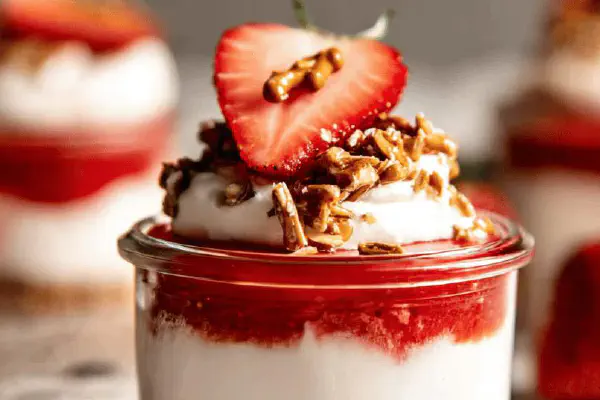
Strawberry Pretzel Parfaits

Buckeye Cookies Remix
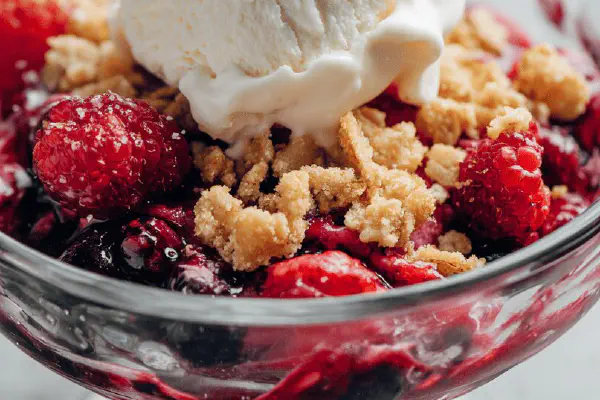
Strawberry Tart Sundae Remix
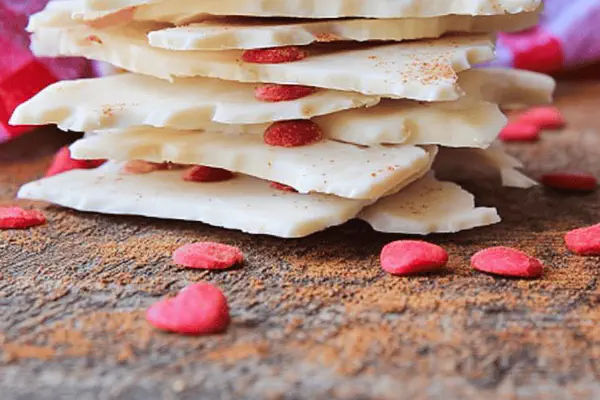
Cinnamon Chocolate Bark

Cream Wafer Cookies

Rainbow Layer Cake
About the ingredients
Cold butter is non-negotiable for flakiness. Room temp butter turns dough into paste, no sandy bake. If almond extract unavailable, lemon makes a bright alternative twist cutting richness. Sugar can be swapped for superfine for quicker dissolving, but granulated works well too. Salt is subtle but balances sweetness — don’t skip. Measuring flour by weight is accurate but spoon and level works fine; adjust milk as you go for perfect dough texture. Too dry, it won’t bind; too wet, sticky nightmare. Addition of milk is a flexible fix but add sparingly. For dairy allergies, vegan butter works but expect slight textural change, your edges won’t crisp as nicely. Re-rolling scraps is natural, but chill between rolls to avoid overheating butter causing greasy dough. Trust your hands; dough should feel pliable but cool. Parchment paper saves cleanup and helps even roll thickness.
Method
Food processor method
- 1 Combine flour, sugar, salt, and baking powder in food processor bowl. Pulse a few times just to mix evenly.
- 2 Toss cold butter cubes in. Blitz briefly until mixture looks sandy with pea-size butter bits. That’s key for tender flakes, not paste.
- 3 Add egg, yolk, vanilla, and optional almond or lemon extract. Pulse in short bursts until the dough just starts to clump up but isn’t overworked. Add a splash of milk if it seems crumbly or won’t hold.
Stand mixer method
- 4 Mix powdered sugar (or granulated if preferred) with salt briefly in bowl.
- 5 Switch to paddle attachment. Add butter pieces cold. Beat on low then medium speed. Watch for butter and sugar turning creamy without melting. Scrape bowl sides often.
- 6 Toss in egg, yolk, vanilla, and optional almond/lemon extract. Mix until combined.
- 7 Fold in flour and baking powder gently. Use slow speed or hand fold. Just until no dry flour patches remain. Add splash milk if dry.
Common steps
- 8 Divide dough in half. If rough, gentle knead on floured surface just to bring together, no overworking or it toughens.
- 9 Sandwich each half between two parchment sheets. Roll to about ½ inch thickness. Why thick? Cookies puff nicely and stay tender. Thin means hard edges.
- 10 Freeze both packs 15-25 minutes until firm but not frozen rock solid. Helps cleaner cuts.
- 11 Using pizza cutter or sharp knife, slice into squares or rectangles. Don’t stress precise sizes; re-roll scraps and chill again if dough warms.
- 12 Bake on parchment-lined sheet at 345-350°F. Watch edges: golden but centers still pale; poke lightly if unsure. Overbake dries out chewiness.
- 13 Let cool fully before topping.
Frosting and decorating
- 14 Whip up buttercream. I like keeping one batch white, dye two more holiday red and green using gel colors — less runny, richer hues.
- 15 Spread or pipe a dollop on each. Sprinkle festive decorations while frosting still tacky. Crunch of sprinkles, color pop makes these irresistible.
- 16 Store cooled decorated bites in airtight container. They keep softness for days, fridge not necessary unless hot weather.
Cooking tips
Mixing technique matters for tender cookies: blitzing butter to coarse sand rather than fully creamy stops tough chew. Overmixing is recipe’s enemy — pulse or slow speed only. After adding wet ingredients, watch dough come together in lumps, stop once it holds. Chill dough slabs instead of balls — easier to roll evenly thick. Thickness about half inch; thinner dries out, thicker stays soft and puffy. Freezing dough until firm prevents smushed shapes and makes neat cutting easier. Baking time flexible: watch edges gain a hint of beige, centers remain pale but firm. Cookies continue to set slightly once out of oven, so cooling fully is crucial before frosting to avoid melting or smooshed icing. Frost while cookies still cool enough to prevent sticky fingers but never hot. Using gel colors avoids watering down frosting. Storage in cool, dry place not fridge preserves texture. Make ahead and freeze baked cookies layered with parchment for max convenience.
Chef's notes
- 💡 Butter must be ice cold, no exceptions. Cuts into flour like sand not paste. Warm butter? Dough sticks, heavy. Work fast, pulse short rather than blend long. You get tiny butter chunks visible, key for flaky crumb. If dough dries too fast, splash milk sparingly. No milk? Use room temp water cautiously. Almond extract optional, lemon switches brightness, but add little—strong flavors jump.
- 💡 Roll dough thick, about half inch. Too thin and edges crisp hard, ruins softness. Parchment sheets on both sides stop stick, ease rolling. Freeze dough sheets 15 to 25 minutes till firm but not frozen solid. Cold dough cuts cleaner, no mess. Use pizza cutter; sharp knife also works but slower. Don’t sweat perfect squares; rustic edges bake better. Re-roll scraps only after chilling or butter melts, greasy tough crumb follows.
- 💡 Watch for dough texture clues at each step. After adding wet ingredients, lumps form, no smooth ball. Stop right there or cookies toughen. Baking time smells nutty and edges shift from pale to faint beige. Centers remain lighter, poke lightly with toothpick if unsure. Overbaking dries chewiness out fast. Cooling fully is critical before frosting; warm cookie melts topping, sticky mess happens.
- 💡 Frosting thickened with gel colors keeps consistency. Avoid liquid additions or frosting runs. Whip buttercream well for fluff but stop before fold droops. Use cold frosting on cool cookies not warm. Sprinkles stick better while frosting tacky, but before drying. Store decorated cookies airtight at room temperature. Fridge changes texture, fridge moisture lucky if hot weather but softens crust faster.
- 💡 For dairy-free switches, vegan butter changes texture—edges not quite crisp, crumb softer. Sugar granulated or superfine both fine; superfine dissolves quicker in mix. Salt balances sweetness but subtle, skip only if diet requires. Measuring flour by weight most accurate but spoon and level works. Milk or splash liquid fixes crumb. Dough too dry? Crumbs scatter. Too wet? Sticks to hands, tough to roll; cut down liquid or chill longer.
Common questions
Dough too sticky?
Add milk one teaspoon at time, chill dough. Sticky means butter melting or too wet. Work cold kitchen if needed. Re-roll scraps chilled helps. Flour dusting last resort. Sticky dough won't cut clean.
What if no almond extract?
Lemon extract works, bright sharp note. Or vanilla extra. Keep amounts low. Almond subtle nuance, lemon fresh twist. Skipping extract leaves plain but sweet cookie, fine if you want neutral.
How to avoid tough cookies?
Don’t overmix after adding wet ingredients. Pulse or slow speed only. Dough lumps ok, do not smooth out. Overworking gluten develops tough texture. Chill dough slabs before rolling to relax flour proteins.
Proper storage methods?
Store decorated cookies airtight room temp, avoids soggy crust. Refrigerator dries edges or makes sticky frosting. Freezing baked cookies works well—layer with parchment. Thaw fully frozen before frosting for best texture.
You’ll Love These Too
Explore all →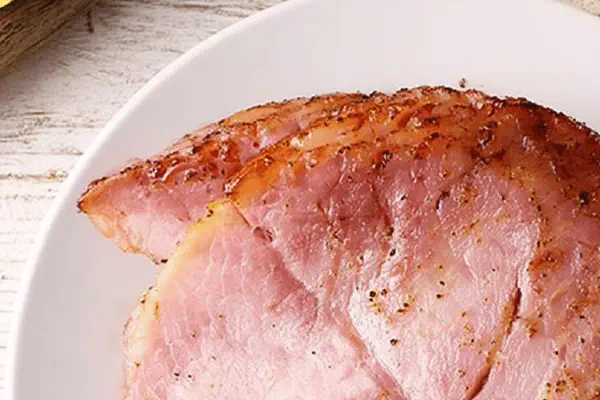
Sticky Ham Glaze

Frozen Sangria Slush
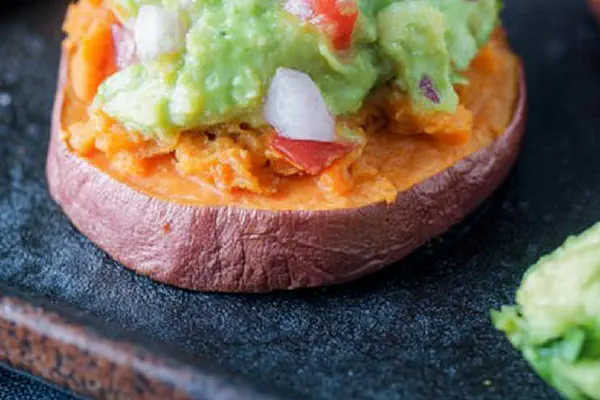
Sweet Potato Sliders Guacamole
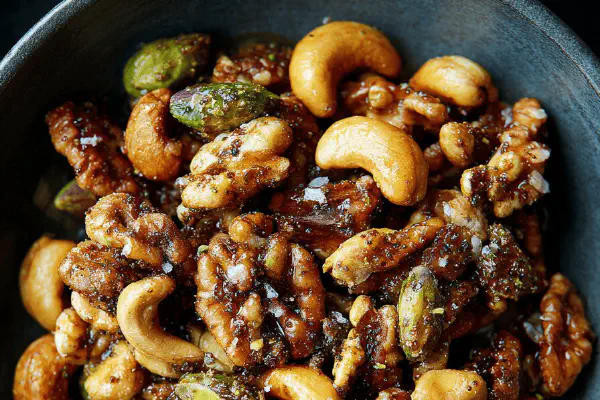
Honey Sumac Candied Nuts

Omble Crudo Cranberry

Fluffy Buttermilk Pancakes
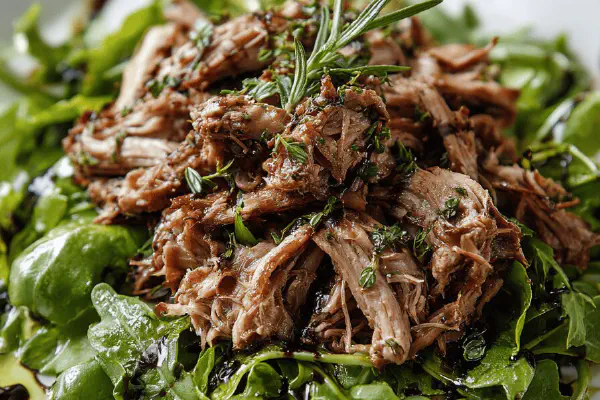
Slow Pork Confit
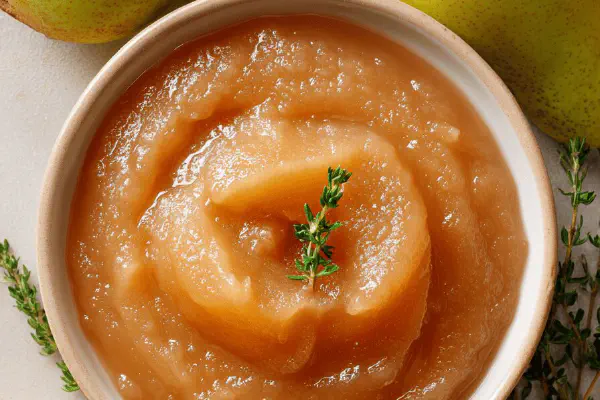
Pear Butter Slow-Cook
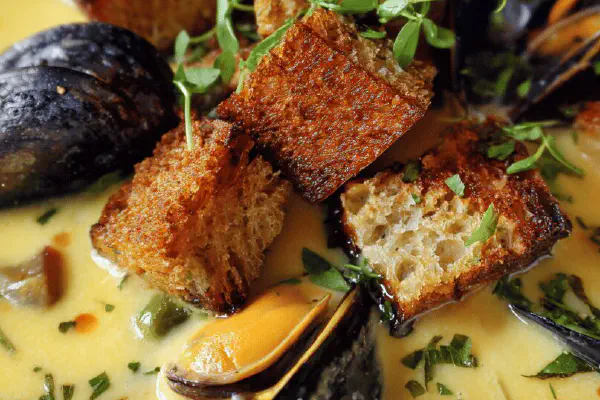
Cauliflower Cream Mussels

Twist on Cosmopolitan
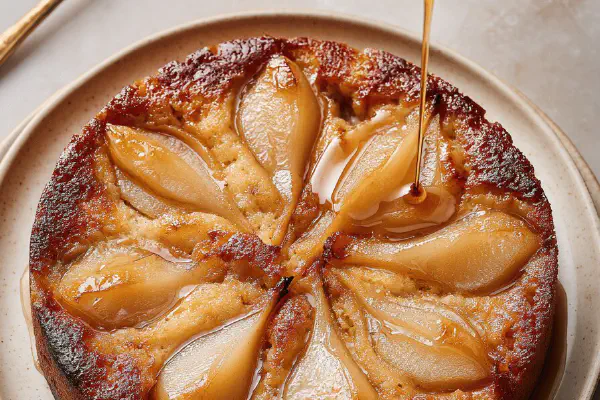
Maple Pear Pudding Upside-down
Creamy Fruit Salad Remix
Pork Medallions Tangerine Glaze

Chorizo Baked Oysters

Caramelized Pear Hand Pies
Mini Meatloaf Cupcakes
Veal Cutlets with Curry Pears

Keto Spicy Bacon Chili

Chicken Stir Fry Rice Noodles

Green Fizz Twist