Snickerdoodle Swirl Loaf
E
By Emma
Certified Culinary Professional
•
Recipe tested & approved
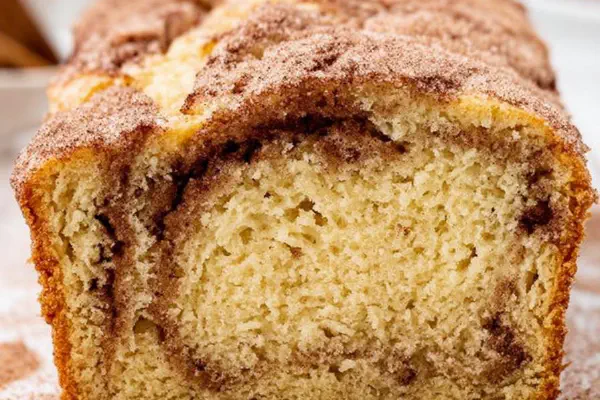
Cinnamon-sugar layered loaf with tangy buttermilk, subtle vanilla, and a whiff of spice. Uses cream of tartar for that snickerdoodle flair, swapping vegetable oil with melted butter for richer crumb. Sugar quantities tweaked down slightly to cut sweetness; cinnamon-sugar ratio bumped for bolder swirls. Baking temperature nudged to 355°F, baking time stretched to 55-60 minutes. Layers built carefully for distinct cinnamon ribbons, loaf-pan sprayed thoroughly to guarantee clean release. Watch golden crust and toothpick test; cracks tell you it’s near done. Cool in pan briefly so it firms up; final cool on rack important before slicing. Notes on substitutions and signs of doneness sprinkled throughout.
Prep:
20 min
Cook:
60 min
Total:
80 min
Servings:
12 servings
#bread
#cinnamon
#snickerdoodle
#buttermilk
#bakery
#layered loaf
Before You Start
Snickerdoodle bread swirls layers cinnamon sugar through a tender buttermilk batter. Cream of tartar plays a leading role here, creating that signature tang and light crumb texture snickerdoodle lovers crave but baked into a loaf. I learned swapping vegetable oil for melted butter locks in extra richness, making each bite creamier and more crumbly. The cinnamon-sugar swirl ratio is key; too little and it’s flat, too much and it overwhelms. It’s a balance best judged by eye as you go. Watch as golden crust forms, crackles faintly. The aroma shifts from buttery to spicy, signals you’re near perfect doneness. A slight pull back from pan edges always means loaf is cooked through. Patience cooling in pan tough but necessary step. Slices hold better once fully at room temp, no soggy bottoms. A casual snack or cinnamon lover’s dream, made sturdier with detailed layering steps learned over many trials.
Ingredients
- 1 3/4 cups all-purpose flour
- 2/3 cup granulated sugar
- 1 teaspoon baking soda
- 1 1/2 teaspoons cream of tartar
- 1/4 teaspoon salt
- 2 large eggs
- 1 cup buttermilk
- 1/3 cup melted unsalted butter
- 1 teaspoon vanilla extract
- 1/2 cup granulated sugar
- 1 tablespoon ground cinnamon
In The Same Category · Desserts
Explore all →
Blood Orange Chiffon Cake
Almond Pound Cake Twist
Caramelized Banana Foil
Four Fruit Pudding
Wild Blueberry Cheesecake Twist
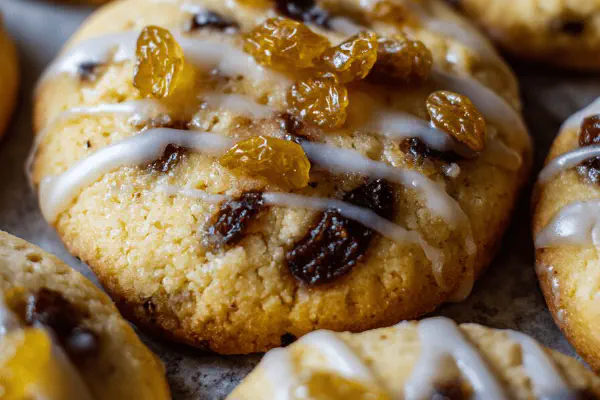
Rhum Glazed Raisin Sablés
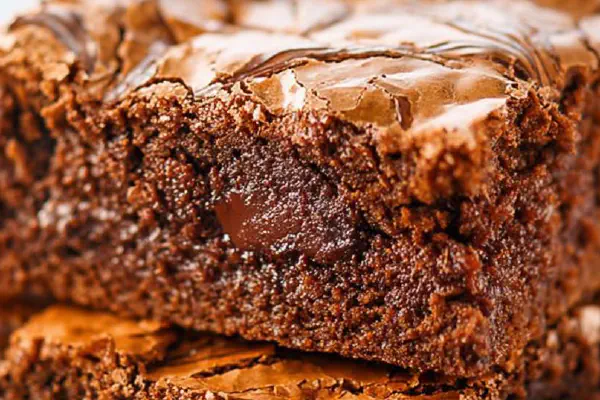
Nutella Swirl Brownies Reworked
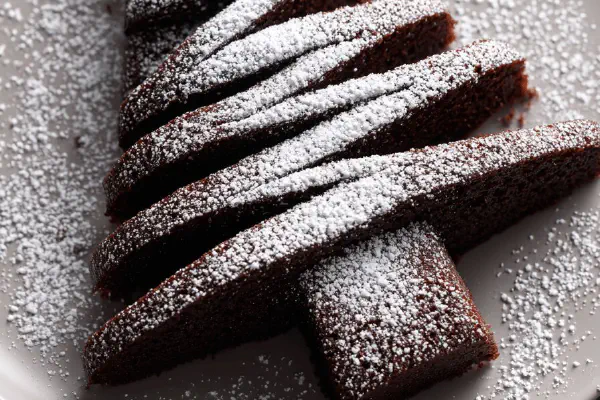
Chocolate Pine Tree Cake
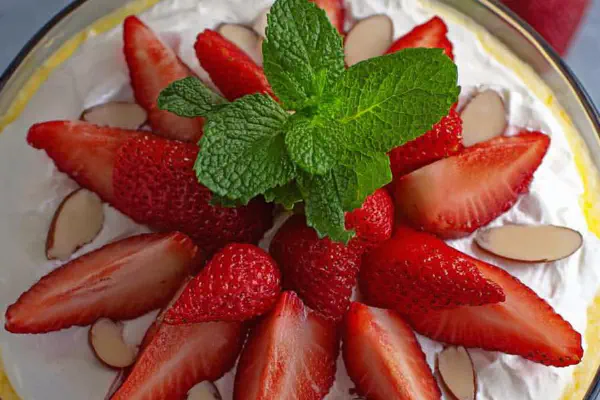
Strawberry Pudding Trifle Remix

Lemon Pineapple Tartelettes

Twist White Choc Snickerdoodles
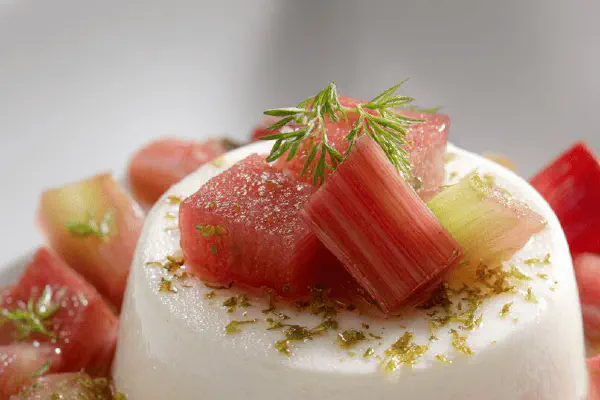
Vanilla Panna Cotta Rhubarb Compote
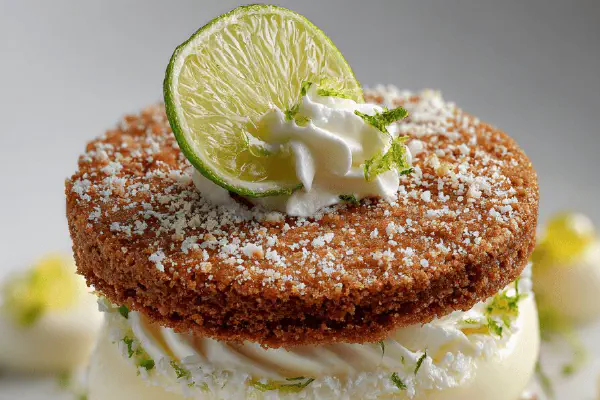
Clementine Cream Sandwiches
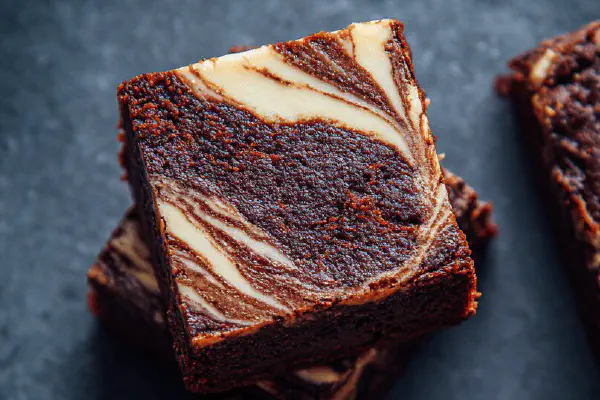
Altered Red Velvet Brownies

Peppermint Candy Crunch Shortbread
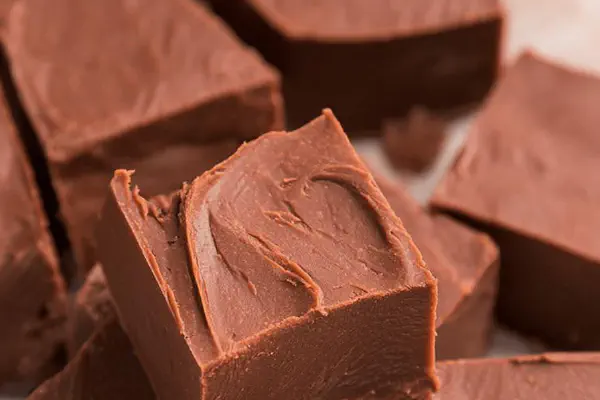
Quick Chocolate Fudge

Nutty Butter Layer Cake
Coffee Cream Pudding Twist
Sweet Potato Cake Remix
Apple Pecan Dump Cake
About the ingredients
Flour should be sifted or well whisked to keep batter airy. Too packed and loaf densifies. Cream of tartar creates tang and reacts with baking soda for lift; don’t skip or substitute with lemon juice in equal quantity but expect subtle flavor difference. Butter swap adds richness but can make batter heavier; melted and cooled butter integrates more smoothly than softened chunks. Buttermilk critical; use if unavailable, combine milk with a tablespoon vinegar for 5 minutes as sour substitute. Vanilla amps aroma. Cinnamon sugar ratio can be adjusted to personal sweet or spicy levels but keep at least 1 tablespoon cinnamon per 1/2 cup sugar for noticeable swirl. Pan prep vital — some deep crevices in loaf without careful greasing. Nonstick spray with flour is foolproof. Leftover loaf freezes beautifully, thaw slices on counter or warmed briefly in toaster oven.
Method
- Preheat oven to 355F. Thoroughly grease 9x5 loaf pan with nonstick spray or butter; flour if feeling cautious. Keeps loaf intact when pulling out—trust me on this.
- Dry mix first: whisk flour, sugar, baking soda, cream of tartar, salt in medium bowl. Important to blend evenly here so lifting ingredients later is smooth.
- In separate bowl, beat eggs slightly. Add buttermilk, melted butter (cooled), vanilla. Whisk until combined but don't overbeat. Avoid rubbery texture.
- Pour wet into dry. Fold gently but thoroughly until no dry streaks remain. Batter should be slightly thick but pourable—not pasty.
- Mix cinnamon and sugar in small bowl. This is your swirl agent; more cinnamon amps aroma and creates beautiful ribbons inside loaf.
- Dollop about one-third batter into pan. Sprinkle 2 tablespoons cinnamon sugar evenly but don’t clump; spread with spoon if needed.
- Repeat layering: batter then cinnamon sugar twice more, ending with remaining cinnamon sugar on top for crust punch.
- Bake 55 to 60 minutes. Watch edges first—should pull away slightly from pan walls and crust shifts to a deep golden brown. Toothpick inserted near center comes out clean with maybe a few moist crumbs but no wet batter.
- Cool loaf in pan 10-15 minutes. This resting phase firms crumb enough for clean removal. Flip onto wire rack; cool fully before slicing or it’ll crumble and stick.
- Store wrapped at room temp up to 3 days or freeze sliced. Reheat gently—moisture comes alive with mild warmth.
Cooking tips
Mix dry first so ingredients distribute evenly; rushing this causes uneven pockets and dense spots. Wet ingredients combine last to limit gluten overworking, resulting in tender crumb instead of chew. Folding batter gently prevents tough loaf. Layering cinnamon sugar between batter thirds creates visible swirls, prevents sinking to bottom which happens when all is mixed in bulk. Spread cinnamon sugar evenly to avoid clumped sweet hardcore spots. Baking temp slightly higher (355F) than usual speeds crust caramelization—listen for faint cracking sounds at around 45 minutes. Check doneness past 50-minute mark by toothpick testing multiple spots; resist the urge to open oven too often or batter collapses. Resting in pan firms crumb for clean removal; skipping results in crumbs sticking. Cool completely on wire rack so moisture escapes and crust settles—cutting earlier is messy and loaf falls apart easily. Store wrapped airtight or froze slices for convenience.
Chef's notes
- 💡 Mix dry ingredients first always—flour, sugar, cream of tartar, baking soda. Makes folding wet into dry smoother; avoids dense patches or clumps. Sift flour or whisk well to keep airy texture. Cream of tartar key for that snickerdoodle tang and lift. Swapping with lemon juice works but expect milder tang and slightly different rise. Butter should be melted and cooled to avoid cooking eggs early and heavier batter.
- 💡 Layer cinnamon sugar in thirds for those visible ribbons. Dollop batter then cinnamon mix, spread gently but evenly; clumps turn into overly sweet pockets. Repeat layering three times, finishing with a top layer of cinnamon sugar to get crust punch. Don’t mix swirl into entire batter or it sinks into bottom. Patterns form best if batter is thick but still pourable; too stiff and layers don’t settle well.
- 💡 Watch crust color closely past 45 minutes. Should pull slightly at edges away from pan, sound faint crackling. Toothpick test near center key—moist crumbs okay, no wet batter. Oven temps vary so check early, later, and multiple spots if unsure. Baking at 355F nudges caramelization without burning. Longer bake stretches to 60 minutes ensure center cooks without drying edges.
- 💡 Cool loaf in pan for about 10-15 minutes to let crumb firm. Flipping too early causes breakage, sticking mess. Then flip onto wire rack, full cool needed before slicing or crumb sticks and crumbles. Room temp rest also helps flavor develop. Wrap airtight for storage. Freeze slices if you want ahead; thaw at room temp or warm gently with care to avoid drying.
- 💡 Eggs lightly beaten only; overbeating tougher crumb, rubbery. Fold wet into dry gently for mix but no streaks; keep batter thick but pourable—not runny. Folding keeps gluten development moderate for tender bite. Pan prep important—grease with nonstick spray, then flour adds grip for loaf release. Deep crevices catch batter otherwise and cause tears on removal.
Common questions
Can I substitute baking powder?
No direct swap here. Cream of tartar plus baking soda gives lift and tang. Baking powder missing acid; flavor profile changes. Use lemon juice but expect minor rise and taste difference. Not recommended if aiming for similar crumb.
What if loaf cracks on top?
Normal but check oven temp first. Too hot, too fast cause cracks. Cooling rack placement also affects crust setting. Crackle around edges fine, signals baking progressing as moisture escapes. If big split, batter might be too thick or too much rising agent.
How to fix dense crumb?
Overmixing wet and dry triggers gluten. Mix dry well but fold wet gently. Check flour measure—packing flour too much densifies loaf. Also make sure melted butter is cooled off or eggs scramble. Let batter rest a few minutes before baking to relax gluten.
Can I use regular milk not buttermilk?
Use vinegar or lemon juice in milk, let sit 5 min before mixing. Provides acidity for cream of tartar reaction. Without acid, loaf tastes flat, texture heavier. Half and half or sour cream can work but adjust flour if batter seems wetter.
You’ll Love These Too
Explore all →
Buttered Seasoned Noodles
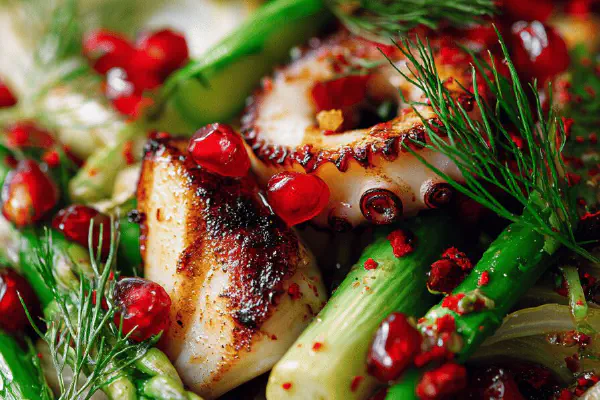
Grilled Octopus Fennel Salad
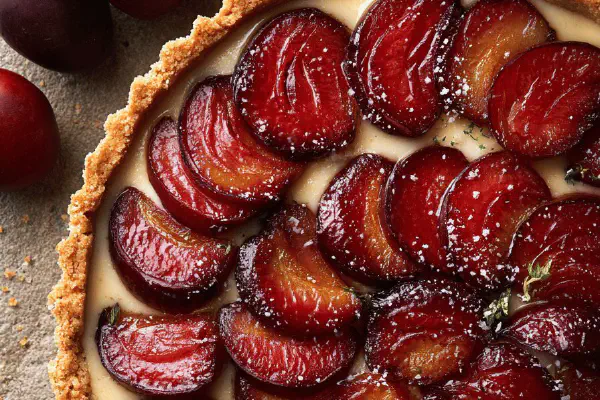
Cinnamon Plum Tart
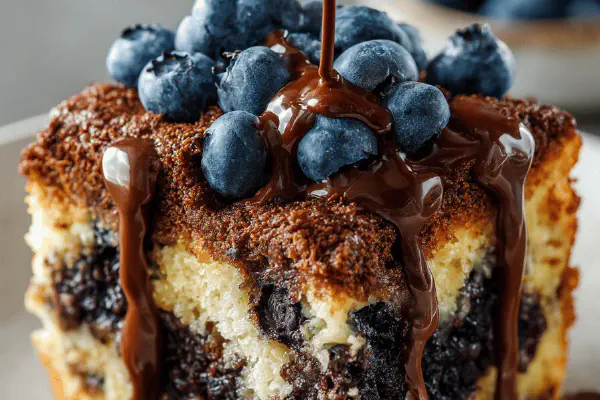
Chocolate Blueberry Pudding Cake
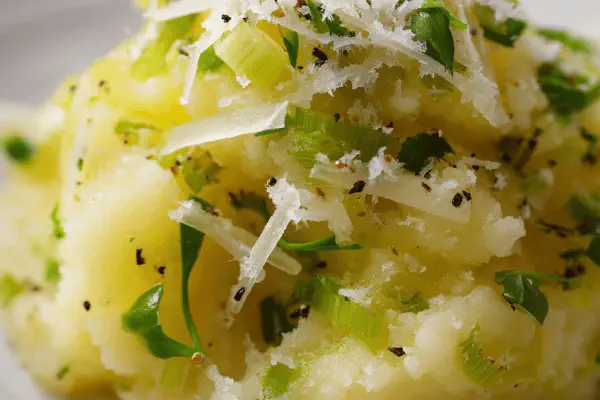
Celery Purée with Parmesan and Leek
Twisted German Chocolate Filling
Buckwheat Sparkling Crêpes
Earthy Truffle Aioli

Holiday Cranberry Punch Twist
Peanut Butter Crinkle Cookies
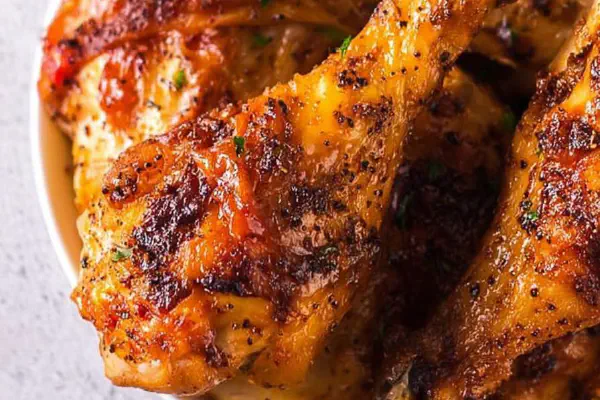
Oven Baked Spiced Chicken Legs
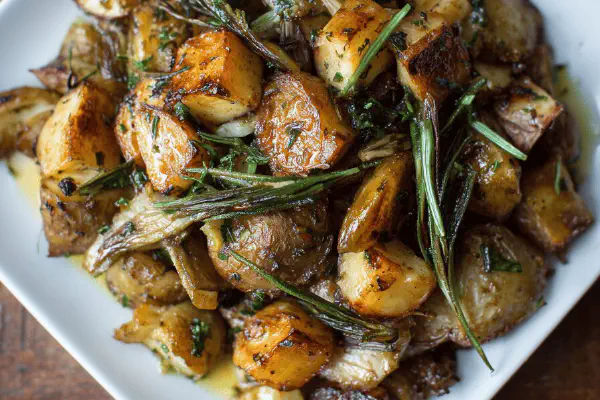
Roasted Jerusalem Artichokes Twist
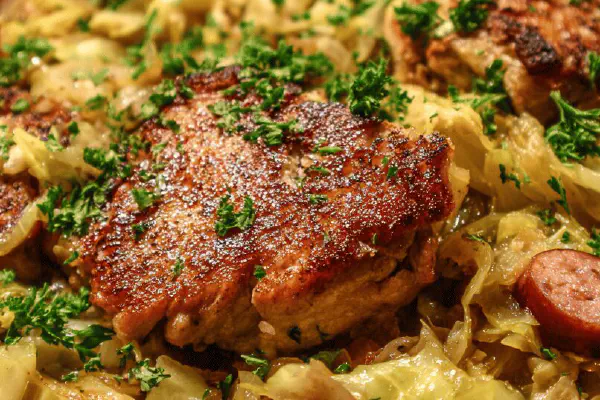
Braised Pork Beer Cabbage
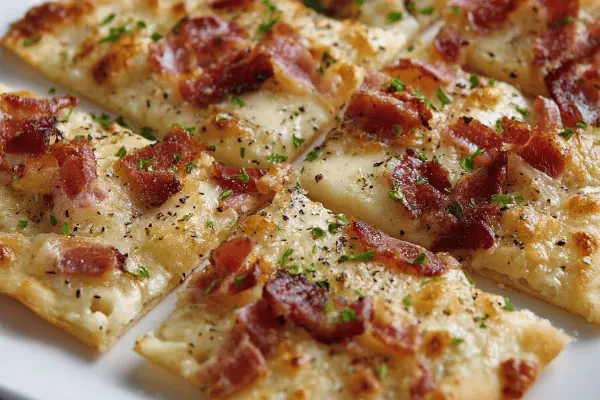
Alsacian Flat Pizza

Herb Cheese Drop Biscuits

Grilled Dumplings Satay
Easy Spiced Apple Crumble
Sesame Salmon Edamame Bowl
Lamb Tagine with Spiced Tea
Savory Roast Beef Panini