Slow Cooker Beef Ragu
E
By Emma
Certified Culinary Professional
•
Recipe tested & approved
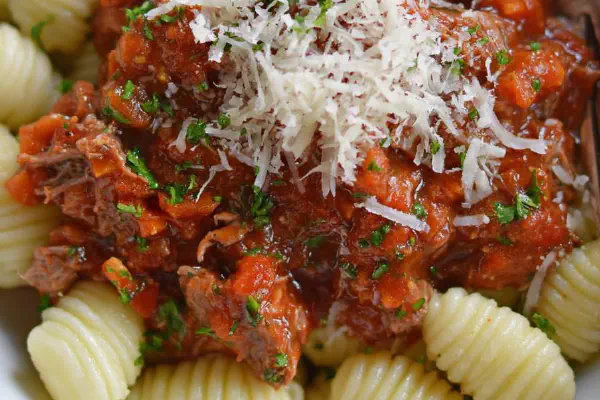
A slow-simmered beef ragu with a twist. Uses chuck roast braised low and slow with fresh veggies, red wine, herbs, and a splash of balsamic vinegar swapped for original Italian seasoning. Kale added last minute for a bitter crunch, butter stirred in for richness. Thickened with a simple cornstarch slurry only if needed. Perfect for hearty pasta nights when you want hands-off but big flavor and texture. Skimming fat early helps clean the sauce, slow heat softens the carrots and celery into background sweetness, and the red wine reduces the meatiness. The secret? Patience and reading textures over clocks. Fork-tender beef shredding needs eye and feel. This isn’t a rush recipe. It’s about the aromas filling the kitchen and the slow build of layers.
Prep:
20 min
Cook:
6h 15min
Total:
6h 35min
Servings:
8 servings
#slow cooker
#beef
#ragu
#Italian-American
#braised meat
#comfort food
#pasta sauce
Ever gotten frustrated with tough, dry slow cooker meat? I have. Chuck roast can be a beast if rushed. This slow, sloppy ragu demands low heat and patience. That’s why I swapped Italian seasoning for balsamic vinegar—a trick to punch acidity without herbal clutter. The diced vegetables create a savory chew while the butter adds a luscious mouthfeel at the end, balancing acidity and richness. Skimming fat early brings a cleaner sauce—fat unskimmed leaves a greasy heaviness. Slow cookers vary, so I watch the bubbling and smell more than clocks. When the roast pulls apart effortlessly, sauce thickens a bit, and kale wilts vibrantly, it’s ready for pasta on the side. Fork tests and aromas beat a timer any day. Plus, leftovers get better overnight—win-win.
Ingredients
- 1 medium onion diced
- 4 garlic cloves smashed
- 2 celery stalks chopped
- 3 carrots diced
- 1/4 cup fresh parsley chopped
- 1 (28-ounce) can diced tomatoes
- 3 tablespoons tomato paste
- 1 cup dry red wine
- 1 tablespoon balsamic vinegar
- 2 bay leaves
- 1 tablespoon salt
- 1 teaspoon black pepper
- 3-4 pound chuck roast
- 3 tablespoons unsalted butter
- 2 cups chopped kale stems removed
- 2 tablespoons cornstarch
- 2 tablespoons water
In The Same Category · Main Dishes
Explore all →
Braised Pork Belly Buns
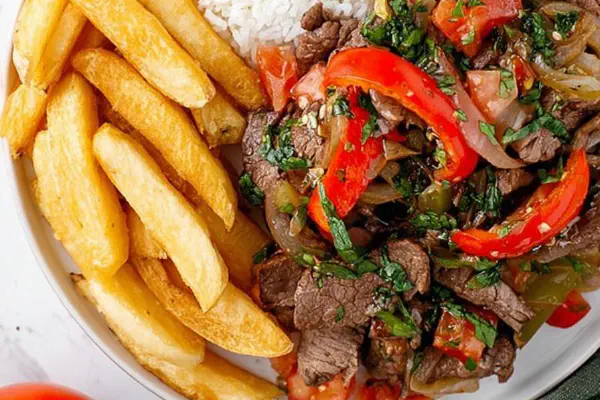
Spiced Beef Stir Fry
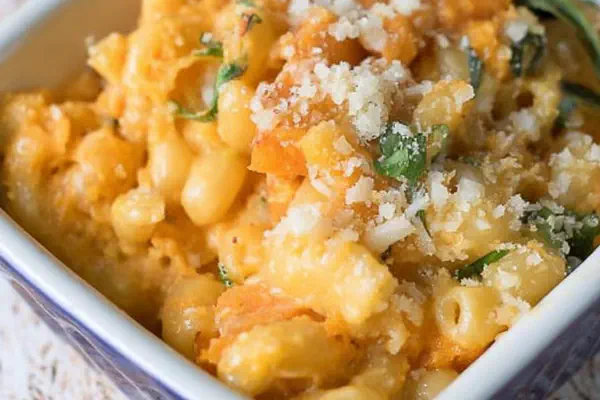
Sweet Potato Mac Bake
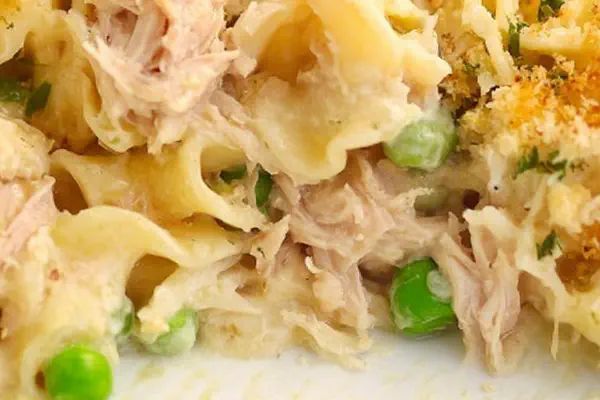
Tuna Noodle Bake Remix

Butternut Leek Rigatoni Gratin
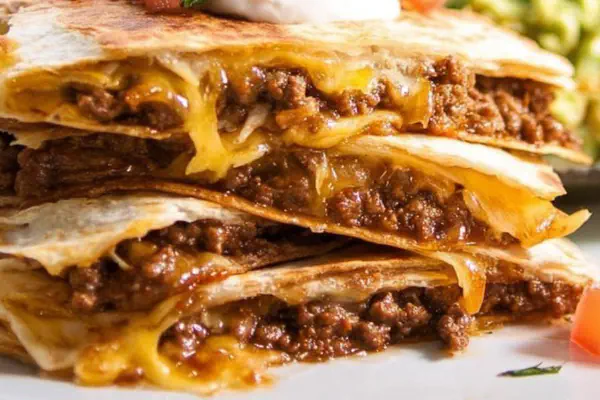
Cheesy Beef Quesadillas
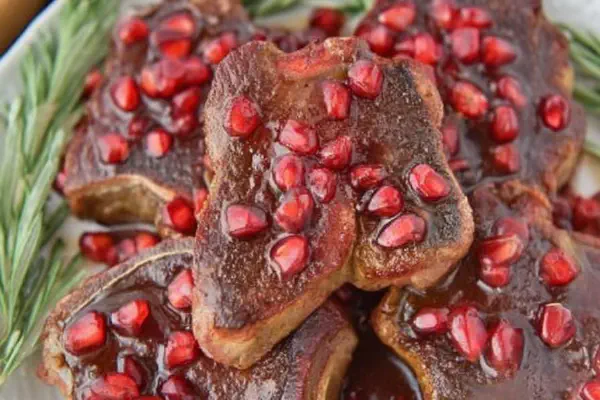
Spiced Pomegranate Lamb Chops
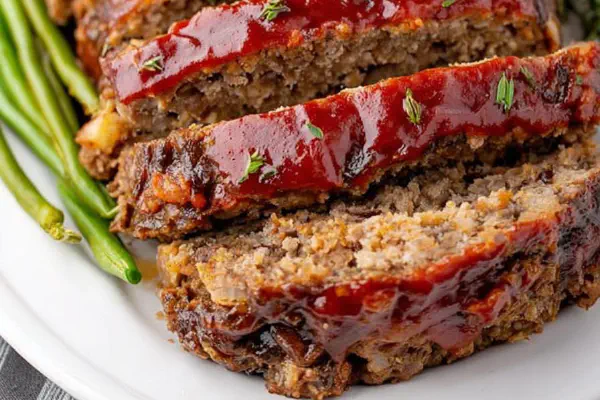
Slow Cooker Meatloaf Remix
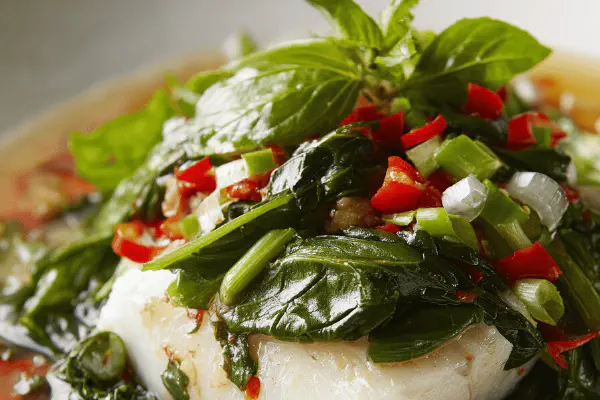
White Fish Ginger Chard

Cold Salmon Taboulé Peas
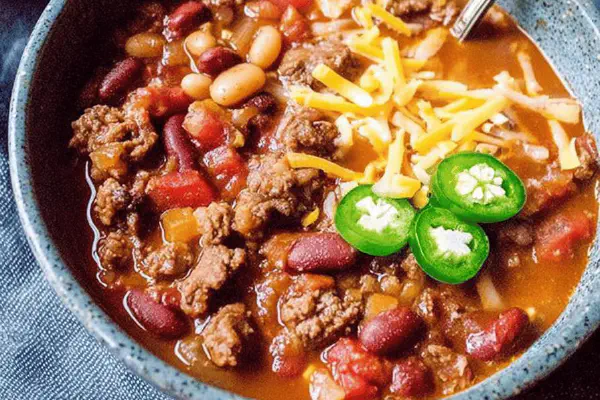
Slow Cooker Spiced Lamb Chili
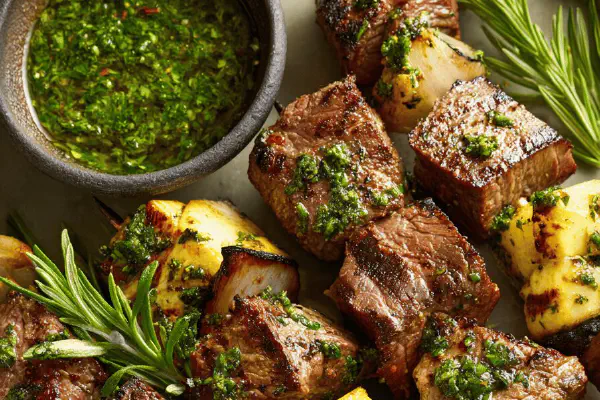
Herbed Pork Beef Skewers
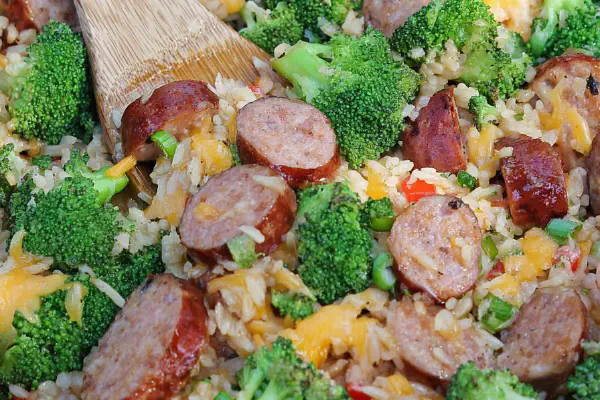
Cheesy Sausage Broccoli Skillet
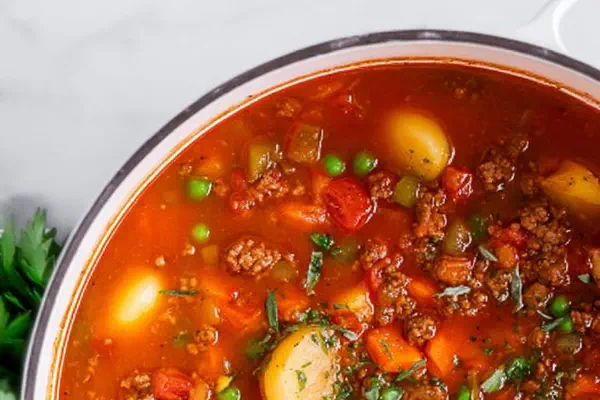
Hearty Beef Vege Stew

Pan-Seared Haddock Spinach Ravioli
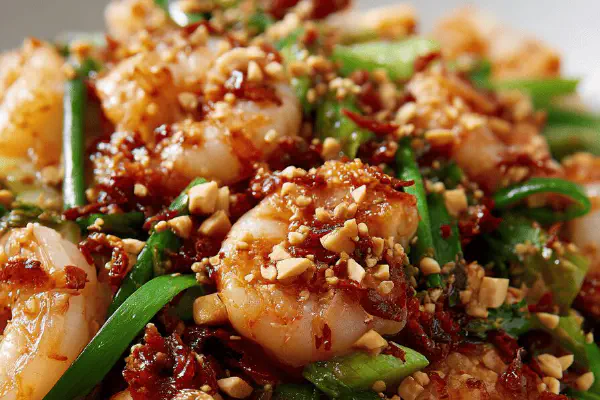
Spicy Kimchi Shrimp Sauté
Autumn Chicken Pot
Herbed Chicken & Crispy Shallot Salad
Curried Beef Stuffed Peppers
Chicken Livers with Radishes and Peas
About the ingredients
Use chuck roast or brisket for shredding meat—tough cuts benefit from extended low heat. If no red wine, beef stock or grape juice with a splash of vinegar works as substitute; aim for acidity balance. Parsley is fresh, but if you only have dried, reduce by half and add mid-cook to avoid bitterness. Kale brings texture and slight bitterness—if you dislike it, use spinach but add near the end to maintain color and softness. Tomato paste adds depth; a tablespoon or two is enough, more can make sauce dense. Cornstarch slurry is optional—thicken only if sauce is too thin. Butter smooths acidity; unsalted preferred to control saltiness but salted works in pinch. Skimming fat is crucial—skip and you’ll regret oily sauce.
Method
===
- Add onions, crushed garlic, celery, carrots, parsley, diced tomatoes, tomato paste, red wine, balsamic vinegar, bay leaves, salt, and pepper into the slow cooker base. Stir until loosely combined but not uniform. Place the chuck roast over this bed of veggies, meat side up. Spoon some of the tomato mixture onto the roast surface but leave some exposed for caramelization under heat. Set slow cooker to low and cook for 6 hours plus 10 minutes, no peeking. The long braise breaks down connective tissue slowly, turning tough chuck silky and shreddable. The wine and vinegar cut the richness helping balance the melty beef fat.
===
- When the time's nearly up—listen. The bubbling should slow to a gentle simmer. Smell deep tomato sweetness with faint sour tang of vinegar. Skim the fat rising on top, use a wide spoon or ladle gently. Pull out the bay leaves—don’t skip or they’ll turn bitter. Remove the roast onto a plate. Fork it apart while still hot. It should shred with minimal effort, stringy and soft. If it resists, give the pot a few more minutes. Return shredded beef to the sauce, stirring to coat meat with thickened juices.
===
- Butter in. Drop it in chunks, stir until glossy and melted. Butter softens the acidity, making sauce feel rich but never heavy. Add chopped kale last so it wilts just right—overcooked kale gets mushy, loses color and vitality. If the sauce looks thin or watery after adding kale, mix cornstarch and cold water until smooth, then pour slowly. Stir over low heat briefly; it thickens quickly. Let it bubble softly once or twice. Too much cornstarch makes glue. Use sparingly to feel the sauce hug the meat and veggies.
===
- Meanwhile, cook your pasta—something sturdy like pappardelle or rigatoni stands up well here. Salt the water heavily, it seasons the pasta deeply. Drain, toss with a bit of olive oil to keep separate if serving family style. Spoon ragu generously over noodles. Garnish with parsley or grated Parmesan if you like, but it’s rich enough standing alone. The key? Sauce clings to pasta without drowning it.
===
- If you’ve been down this road before, you know patience beats speed. Remember, every oven and slow cooker differs. Look for texture, aroma, and color shift, not just clocks. Skimming fat now versus later makes a difference—helps sauce stay bright and avoids greasy mouthfeel. The parsley and kale add freshness and brightness at the end, don’t skip or toss in first. If stubborn, swap kale for spinach but shorten wilt time. Substitute balsamic for Italian seasoning if you want tang over herbs; both work but flavor shifts one way or other.
- Try adding a pinch of red chili flakes mid-cook if you want a touch of warmth instead of traditional herbs. Garlic quantity is flexible—add more raw garlic if you want punch.
- Don’t stress too much on exact timing. The roast will tell you when it’s done. Fork-tug test beats timer every time. Sauce might be runnier immediately after meat returns because juices escape shredded beef—hold a minute and stir again before adjusting thickness.
- Serve with rustic bread for dipping or a dry red wine to match the one you cooked with. Let leftovers rest in fridge overnight—the flavors deepen, sauce thickens naturally.
Cooking tips
Start with layering veggies, acid, and seasonings—don’t overmix or crush tomatoes; some chunks give texture. Placing meat on top exposes it to heat evenly. Cook low for extended time; avoids dry edges, lets collagen break down. Skim fat when bubbling slows and surface glistens with oil, usually last half hour. Pull roast early if fork easily pulls fibers apart; no need to shred raw or overcook shredded meat in sauce. Adding butter after shredding enriches without early cooking off flavor. Kale added last stays vibrant and adds crunch; avoid stirring too vigorously to prevent overwilting. Thickening sauce with cornstarch slurry gradually prevents lumps. Pasta should be firm to bite to hold up against thick meaty sauce. Timing varies by cooker; trust smells, textures, and appearance above clocks.
Chef's notes
- 💡 Slow braising cracked open connective tissue just right. Watch low heat bubbling, not rolling boil. Skim fat when surface glistens, oil floating but not thick. Remove bay leaves — bitterness lingers if left. Don’t overmix veggies; chunks stay, add texture not mush. Leave some tomato chunks intact for chew; adds rustic feel. Red wine reduces meatiness, balsamic vinegar cuts heaviness but swap cautiously. Butter comes last; melts slowly, smooths acidity without fading flavor. Use unsalted if possible; else watch salt carefully.
- 💡 Shred beef when fork-tender, not sooner. Press gently, fibers should separate easily. Too early and meat tears more than breaks. Return shredded beef to sauce, stir gently — don’t mash. Add kale near end; it wilts quickly, no mush. Spinach can replace kale but watch timing. Too long — color fades, texture soggy. Add cornstarch slurry only if sauce is watery after kale. Stir slow, heat low; thickening happens fast. Overdo results in glue, no bounce. Patience key here.
- 💡 If no red wine, use beef stock plus splash vinegar or grape juice for acidity balance. Italian seasoning swap optional but changes the tang completely. Parsley fresh for brightness; dried halves quantity and add mid-cook to avoid bitterness. Cook pasta firm; rugged noodles like pappardelle or rigatoni hold sauce better. Salt pasta water heavily; deeply seasons. Toss with oil if serving family style to prevent sticking.
- 💡 Skimming fat early helps keep sauce clean, sharp. Oil left too long feels greasy and heavy. Watch surface after 5-6 hours low heat — bubbling slows, glistening oil gathers at edge. Use wide spoon or ladle gently. Timing varies by cooker and roast thickness. Don’t rush. Heat softly; breaks connective tissue, softens carrots and celery into background sweetness. Reading aromas matters — deep tomato sweetness, sour vinegar tang signal cooking stage.
- 💡 Butter addition last; drops in chunks, stirs glossy shine. Balances acidity, adds luscious mouthfeel. Add kale after butter melts. Stir gently, just enough to coat. Sauce thickens slightly then; if still thin, cornstarch slurry slowly. Stir once or twice bubbling soft. Check texture visually and by feel — sauce should hug meat and veggies lightly, not gluey. Sauce with body but still move. Experiment with chili flakes mid-cook for warmth. Adjust raw garlic quantity as punch dial.
Common questions
How do I know when the beef is done?
Fork-tender means fibers pull apart easily, don’t force it. Texture over timers. If it resists, give more cook time. Watch aroma and bubbling slow to simmer. Not rushed, slow break down needed.
Can I substitute kale with something else?
Spinach works but add at the end and shorter wilt. Kale adds bitter crunch, spinach softer. Timing shifts accordingly. If no kale or spinach, green beans or swiss chard could add texture but adjust cook times.
What if sauce is too thin?
Use cornstarch slurry made with cold water slowly. Stir gently over low heat until it thickens softly. Too much makes glue; add teaspoon by teaspoon. Let bubblings show once or twice before stopping. Hold off adding slurry right away after meat returns; juices escape shredded beef, stir and wait.
How to store leftovers properly?
Cool to room temp quickly. Store in airtight container in fridge up to 3 days. Leftovers thicken naturally overnight, flavors deepen. Freeze in portioned bags up to 3 months. Reheat gently on stove, add splash water or stock if thickened too much.
You’ll Love These Too
Explore all →
Crab-Stuffed Lobster Tail
Maple Butter Cake
Minty Zucchini Fritters
Spiced Cajun Chicken Fettuccine

Zesty Ricotta Veggie Tart
Spiced Chicken Tacos Twist
Caramel Popcorn Peanut Cake
Vanilla White Mocha Chill

Spiced Chai Latte Twist
Instant Pot Chicken Burrito Bowl

Slow Cooker Asian Chicken Tacos
Omble Crudo Cranberry
Anise-Spiced Italian Rings
Roasted Squash Lamb Canapés

Slow Cooker Beef Sauce
Garlic Zucchini Medley

Pepperoni Pizza Spaghetti Bake
Cheeseburger Pie Remix
Clementine Cream Sandwiches
Citrus Lime Rice