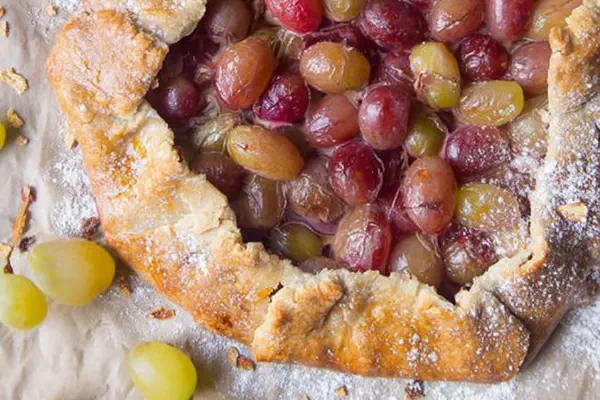
Rustic Grape Galette
E
By Emma
Certified Culinary Professional
•
Recipe tested & approved
Single crust pastry with fresh grapes tossed in lemon, vanilla, sugar, and arrowroot. Folded edges, brushed with egg wash and sprinkled with turbinado sugar. Chilled dough for flaky texture. Bake until golden brown with bubbling fruit. Serve warm or chilled, great with ice cream. Substitutes arrowroot for cornstarch, uses maple syrup instead of sugar for twist. Dough pulsed, careful with water addition to avoid sticky mess. Watch crust color, timing flexible by visual cues. Aromas shift from fruity to toasty. Texture contrast between crisp crust and juicy filling.
Prep:
50 min
Cook:
30 min
Total:
1h 20min
Servings:
6 servings
#baking
#pastry
#fruit dessert
#seasonal
#American cuisine
Before You Start
Ever wrestled with galettes that end soggy or dough tough like old boots? Learned the hard way: cold butter plus measured cold water in pulses is key. Grape galette? Surprisingly juicy, edges caramelize with turbinado sugar for crunch. Throw in a splash of vanilla and switch cornstarch to arrowroot powder for less gummy, cleaner gel. Love how lemon juice cuts sweetness and brightens the grapes’ natural pop. Rolling out dough sloppy but rustic suits it; mind the dough thickness, too thin and tears, too thick and dough dominates filling. Patience with chilling makes crust flakey. Oven temps matter here—too hot burns rim, too low drags softness. Watch for golden brown edges and bubbling juicy filling. Serve warm with ice cream, outstanding contrast. Whoever said fruit galettes are complicated never chased these tricks.
Ingredients
- 1 1/4 cups all purpose flour
- 2 1/2 tsp granulated sugar
- 1/2 tsp kosher salt
- 10 tbsp unsalted butter, cold and cubed
- 3-4 tbsp ice cold water
- 3 cups grapes, halved (red, black, or mix)
- 1 tbsp fresh lemon juice
- 1 tsp vanilla extract
- 1 tbsp maple syrup
- 1 1/2 tbsp arrowroot powder
- 1 large egg, beaten (for egg wash)
- 1 tbsp turbinado sugar
In The Same Category · Desserts
Explore all →
Mint Chocolate Crisps
Chocolate Cupcakes Twist
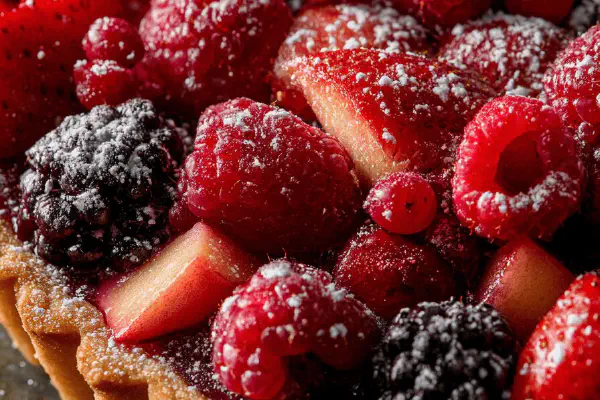
Four Fruits Ginger Tart
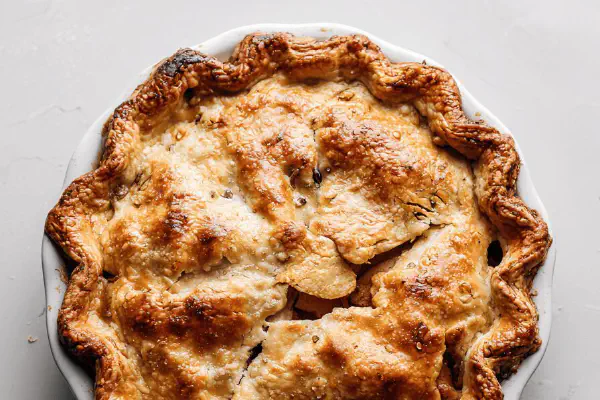
Sunflower Oil Pie Dough
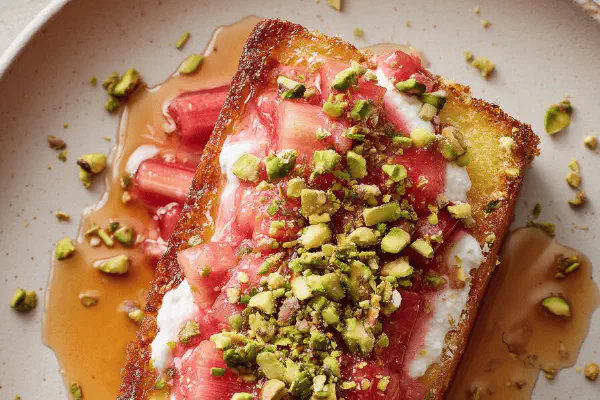
Rhubarb Almond Bostocks Remix
Brown Butter Banana Brownies
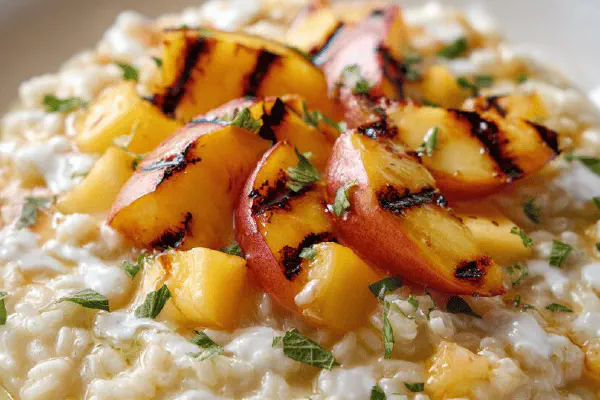
Peach White Chocolate Risotto
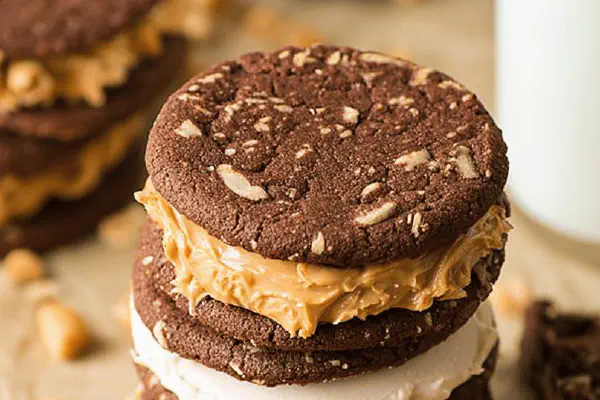
Peanut Butter Cocoa Sandwiches
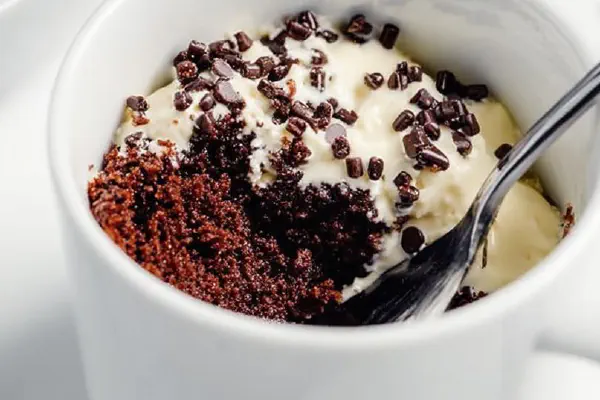
Microwave Chocolate Mug Cake
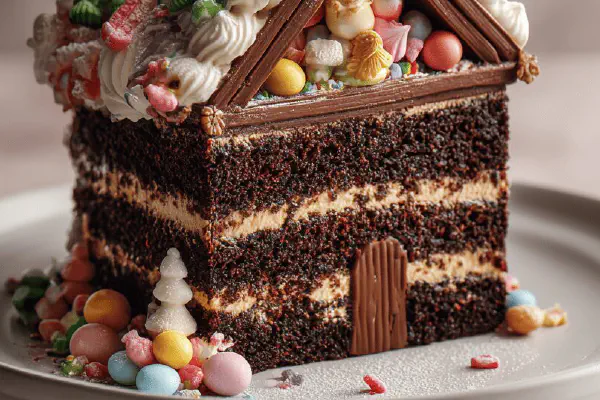
Hansel Gretel Cake House
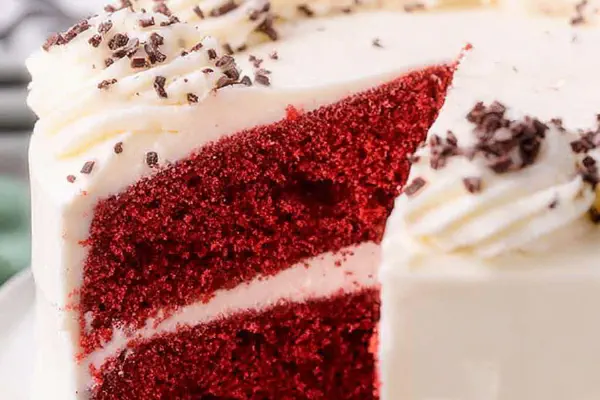
Rustic Red Velvet Cake
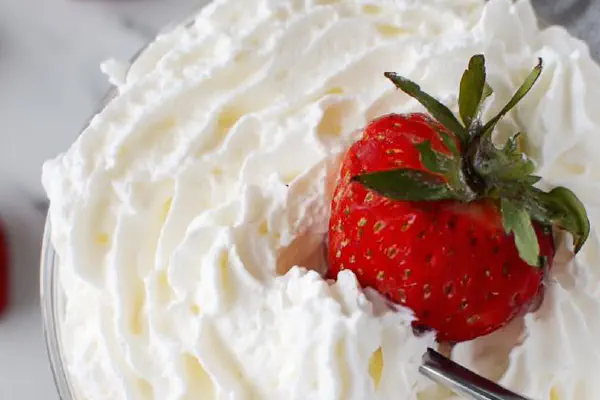
Quick Whipped Cream Remix
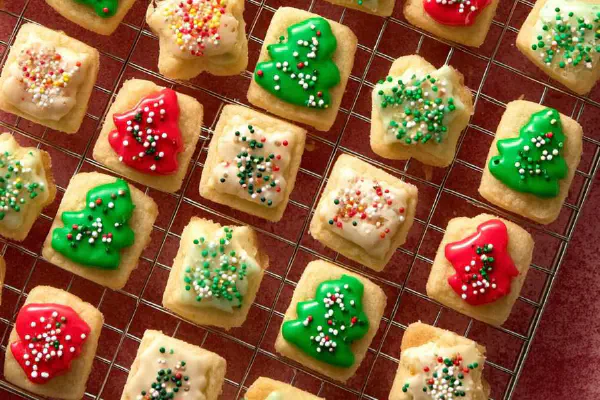
Soft Sugar Cookie Bites

Dress-Up Doll Cookies

Baked Strawberry Cheesecake Twist
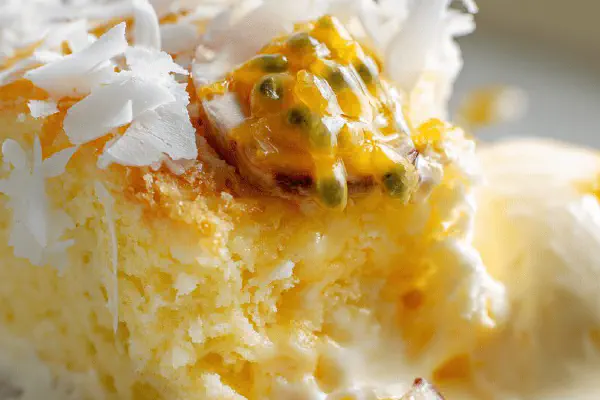
Passionfruit Coconut Pudding
Zesty Shortbread Bars
Caramel Popcorn Peanut Cake

Sour Cream Rose Cookies
Classic Strawberry Shortcake
About the ingredients
Butter cold, cubed adds pockets of flakiness as it melts during baking. Flour measured spooned then leveled avoids dry dough. Sugar swapped maple syrup for subtle maple undertone without cloying; adjust sugar down if using sweeter grapes. Arrowroot over cornstarch for cleaner finish; cornstarch sometimes leaves dull watery finish, arrowroot thickens with sheen and tenderness. Lemons power through fruit sugars—don’t skip or filling tastes flat. Vanilla extract boosts aroma, but bourbon or amaretto are cool alternative liquids for twist. If can’t do fresh grapes, frozen thawed work but toss juices before mixing. Egg wash from whole egg, not just yolk, means edge browns deeply and crisps better. Turbinado sugar inevitable crackle and sparkle—don’t skip if you love textures. Common subs: vegan butter and flax egg for egg wash, but browning changes. Frozen dough shortcut, but fresh yields best tactile results.
Method
Dough
- Dump flour, sugar, salt into food processor; pulse quick bursts to mix.
- Add cold butter cubes; pulse until butter bits about the size of peas; look for tiny chunks but not completely blended.
- Slowly drizzle in cold water, a tablespoon at a time; pulse after each addition just until dough clumps. Too much water? Dough sticky, floured surface rescue; too dry? Add another splash.
- Scrape dough on floured surface; gather gently, form ball—gentle press, flatten thick disk; wrap tight in plastic to trap chill; fridge 25-40 mins. Crucial for butter to solidify again—skip this and crust’s sad and crumbly.
Filling
- Toss halfed grapes with lemon juice, vanilla, maple syrup, and arrowroot powder in bowl. Rest 7-12 mins until grapes release juice but mixture thickens slightly. Arrowroot edge preferred over cornstarch—cleaner, better clarity in filling.
Assembly & Baking
- Heat oven to 395°F; cozy but not scorching, prevents burned edges.
- Flour board lightly; roll dough into roughly 12 inch circle. Not perfect? Rustic charm. Dirtier rolling pin? Quick wipe or dust flour prevents stick.
- Slide dough onto baking sheet lined with Silpat or parchment; no sticking, no worries.
- Slotted spoon in hand, lift grapes from juice, arrange center dough leaving 2 inch bare edges. Juice in bowl stays behind; prevents soggy bottom.
- Fold dough edges over filling, pleat as you go—overlapping slightly, pinch firmly so dough holds shape but remains tender.
- Egg wash with pastry brush all over exposed dough rim; sets color, tiny bubbles form during bake—sign of caramelizing butter and sugars.
- Sprinkle turbinado sugar liberally on edges for crunch sparkles.
- Bake 28-35 mins; look for golden crust, bubbling vibrant fruit juices visible through folds; aroma shifts from fresh grape sweet to warm toasted butter and syrupy notes.
- Pull tray out, cool 15 mins minimum; hot filling fights patience, but improves sliceability and melds flavors.
- Serve solo or with vanilla ice cream or whipped cream—cold cream meets warm fruit and crisp shell; magic.
Cooking tips
Food processor pulsed is way faster than hand-cribbing dough. Beware over-processing butter—measure pea size bits, no smaller. Ice water add slow—too much water is dough glue, too little crumbly. Dough ball gently gathered; over-kneading crushes butter pockets, killing flakiness. Chilling cooldown crucial—skipping leads to melting butter in oven, greasy crater centers. Rolling flour not too heavy or dough dries. Work fast before dough warms, flaky integrity lost. Layer grapes neatly; juices left behind avoid soggy bottoms but keep some moisture for bubbling finish. Folding with deliberate pleats locks filling, prevents runaway spills. Egg brush done right shows color preview, small bubbles during bake mean butter caramelizing. Turbinado sprinkle sharpens exterior. Oven timing flexible; judge by sight and smell, crust golden, juices just bubbling. Cool 10-20 mins minimum—cutting hot galettes squishes the fruit mess. Ice cream addition optional but recommended—warm meets cold contrast elevates eating experience.
Chef's notes
- 💡 Chill dough like a hawk; butter must stay solid to get flaky layers. Overpulsing in food processor? Avoid it. Butter bits too fine kill texture. Water goes in slow, tablespoon by tablespoon. Too much and dough turns gluey, too little dry and crumbly. Use flour dusting sparingly; too much dries dough but too little sticks like mad. Wrap dough tight so no drying out; plastic wrap is best, no gaps for moisture escape.
- 💡 Halve grapes but don't overload filling; too juicy and bottom sogs. Toss grapes with arrowroot powder then let sit 7-12 mins until juices thicken. Arrowroot edge over cornstarch avoids muddy look, gives shiny, tender finish. If frozen grapes, thaw then drain juices or filling gets watery. Lemon juice essential—it cuts sweetness and sharpens fruit flavor so filling tastes fresh, not cloying.
- 💡 Rolling dough: not about perfect circle—rustic works better. Use light dusting flour on board and rolling pin, wipe pin as needed to avoid too much flour incorporation. Dough warms fast, work quick or butter melts, flakiness lost. Thickness matters; too thin tears, too thick overwhelms filling. Goal: thick enough to hold but thin enough to bake crisp.
- 💡 Folding and pleating edges locks filling but keeps dough tender. Overdoing pleats makes crust tough; pinch edges firm but gentle. Egg wash is whole egg beaten; brush the rim generously for even browning. Watch closely during baking; small bubbles on dough rim mean butter caramelizing. Turbinado sugar sprinkled on edges adds textural contrast—sharp crunch with caramel hint, don’t skip if crunch matters.
- 💡 Oven heat critical—395°F is sweet spot. Too hot burns edge before baking through; too low means soggy crust. Look for golden brown crust with visible bubbling fruit juice at folds. Aroma shifts from fresh grape bright to toasted butter and syrupy notes. Cooling 15 mins minimum; hot filling is molten, cuts smear. Variations? Maple syrup adds gentle sweetness twist; vanilla optional but boosts aroma. Vegan butter or flax egg work but browning changes.
Common questions
How to prevent soggy crust?
Drain juice well; grapes hold water. Leave juice behind when folding. Chill dough so butter solid. Bake hot enough to crisp edges. Arrowroot thickens juices quicker than cornstarch and clears moisture better. Serve after cooling so juices set.
Can I use frozen grapes?
Thaw thoroughly but drain well. Frozen releases excess water. Toss thawed grapes in arrowroot then rest to get thick mix. Fresh preferred but frozen works if dehydrated a bit. Try substituting maple syrup for sugar to balance moisture difference.
What if dough too sticky or crumbly?
Sticky means too much water; add flour sparingly and chill before handling. Crumbly? Add water slowly, pulse briefly in food processor. Don’t overpulse butter. Patience key when gathering dough ball; over kneading melts butter pockets, loses texture.
Best storage method?
Wrap galette tightly at room temp for 1 day max or refrigerate wrapped 2-3 days. Reheat in oven preferred to revive crisp crust. Don’t use microwave or crust will soften fast. Leftover filling juice can be strained and used next batch or as syrup.
You’ll Love These Too
Explore all →
Checkerboard Cake
Beef Burger with Chipotle Cheese
Holly Jolly Jello Shots Remix
Peanut Butter Cookie Cups
Flaky Cinnamon Layered Scones
Celery Cheese Shooters
Honey Nut Baklava
Coconut Pound Cake
Cabbage and Beef Layers
Twisted Pecan Cheesecake

Spicy Crispy Chicken
Zesty Lemon Herb Butter
Chickpea Mushroom Sauté
Melon Aloe Refresher
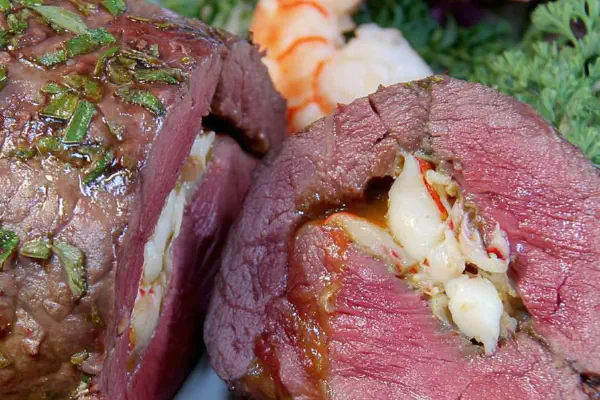
Crab-Stuffed Beef Tenderloin
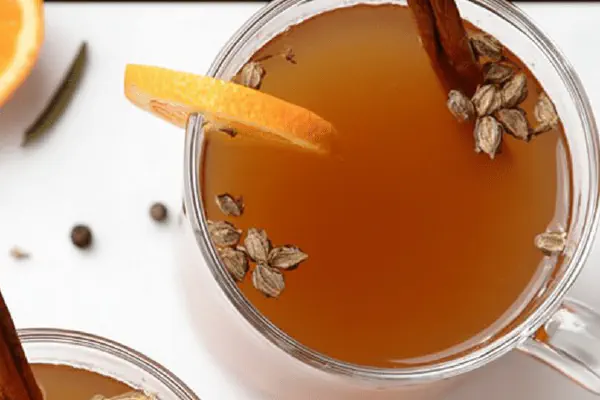
Chunky Mulled Apple Cider
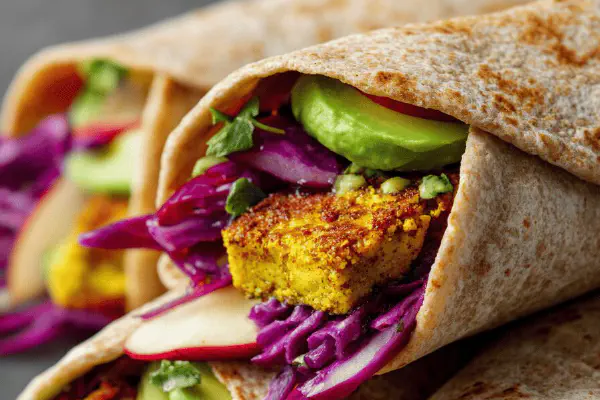
Curried Tofu Avocado Wraps
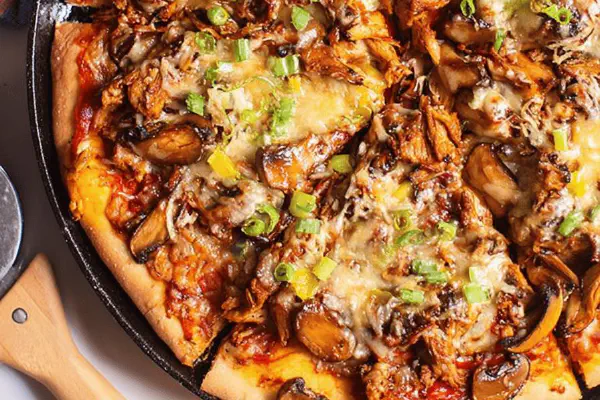
Jerk Chicken Cornmeal Pizza
Blueberry Buttermilk Muffins
Coffee Orange Panna Cotta Twist