Pumpkin Spice Pancakes Twist
E
By Emma
Certified Culinary Professional
•
Recipe tested & approved
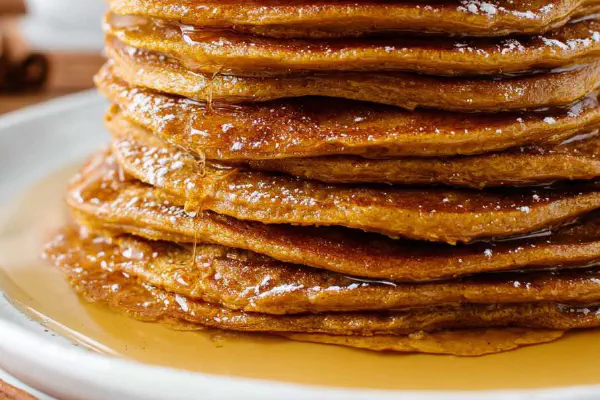
Fluffy pancakes with a fall twist. Uses pumpkin puree swapped for sweet potato, a mild honey instead of sugar. Flavors hit with cinnamon, ginger, nutmeg, plus clove. Rested batter for better lift, cooked low and slow; bubbles signal flip time, edges set but still soft. Butter hot, but not smoking. Common issues like lumps, overmixing, or dry texture addressed. Serve with pecans, whipped cream, or fruit — maple syrup optional. Great for mornings when air’s crisp and kitchen smells like spices. Learn to eyeball doneness by texture and look instead of strict timing.
Prep:
6 min
Cook:
19 min
Total:
25 min
Servings:
6 servings
#breakfast
#pancakes
#fall flavors
#sweet potato
#spiced
#honey sweetened
#American cuisine
Before You Start
Pumpkin pancakes? Had ’em. Sweet potato puree swap makes more moist, less watery batter. Honey replaces plain sugar; brings sticky sweetness that deepens when cooked. Spices punch through cinnamon, nutmeg joined by clove and ginger for warmth without heat. Batter needs rest—don’t skip it. Hot pan’s a must, but tone it down after preheat to avoid crusty outsides, raw centers. Flipping pancakes isn’t a race, bubbles and edge dry spots call the shot. Pancake batches best made mindful—too fast, too hot, and mushy results. I’m all about listening to sizzle and sight over timers.
Ingredients
- 1 1/2 cups all-purpose flour
- 1 1/2 teaspoons baking powder
- 1/2 teaspoon baking soda
- 1/3 cup mild honey
- 1 teaspoon ground cinnamon
- 1/2 teaspoon ground ginger
- 1/4 teaspoon ground nutmeg
- 1/8 teaspoon ground cloves
- 1/2 teaspoon salt
- 1 cup milk, whole preferred
- 2/3 cup cooked sweet potato puree, cooled
- 1 large egg
- 2 tablespoons vegetable oil, or melted coconut oil
In The Same Category · Breakfast
Explore all →
Herbed Asparagus Omelette Twist
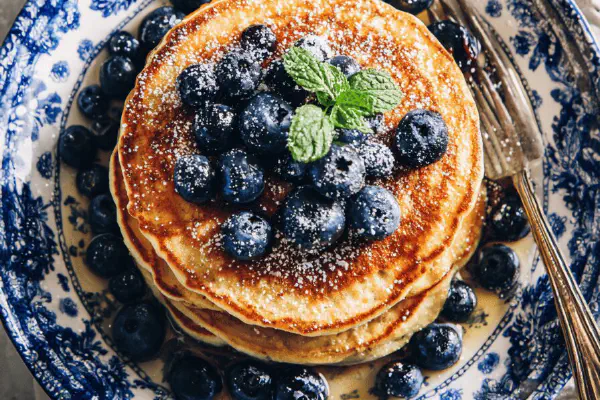
Blueberry Pancake Mix

Quick Cinnamon Rolls Remix
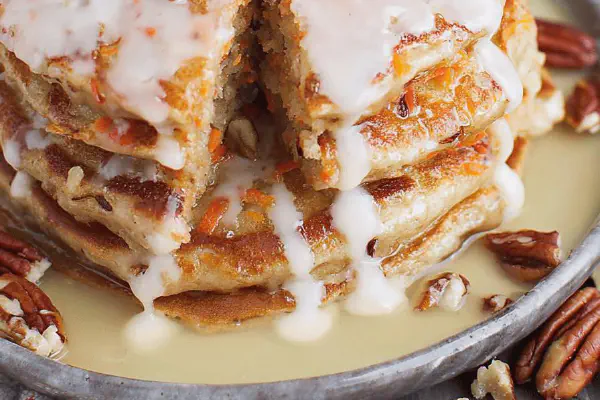
Carrot Cake Pancakes Remix
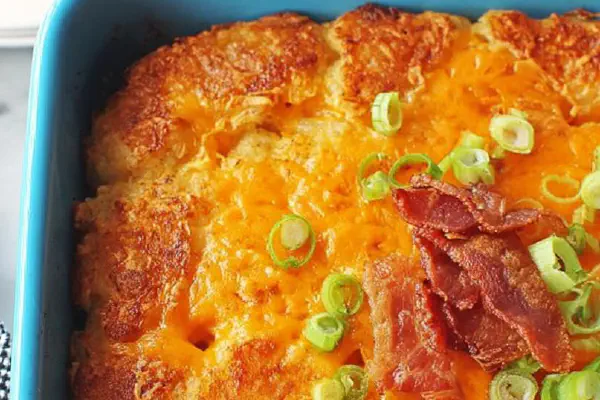
Breakfast Tater Tot Casserole
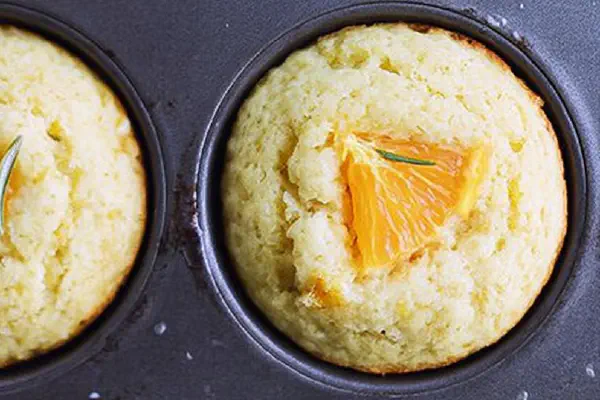
Olive Oil Orange Rosemary Muffins
Buckwheat Sparkling Crêpes
Pumpkin Spice Scones
Oat Cream Delight
Grilled Ranch Eggs Black Beans
Berry Quinoa Bowl
Pancake Spaghetti Remix
Za'atar Chickpeas Poached Eggs
Curry Omelette Breakfast Sandwiches
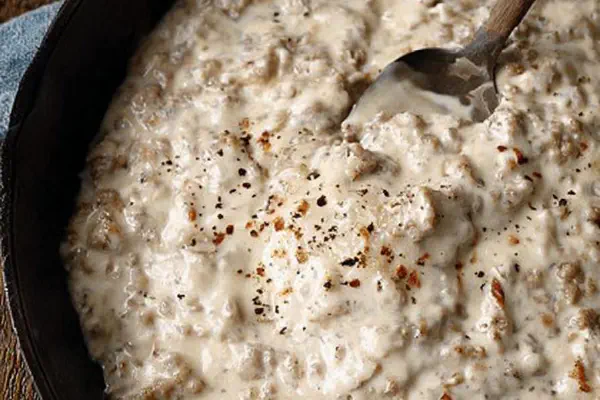
Sausage Cream Gravy
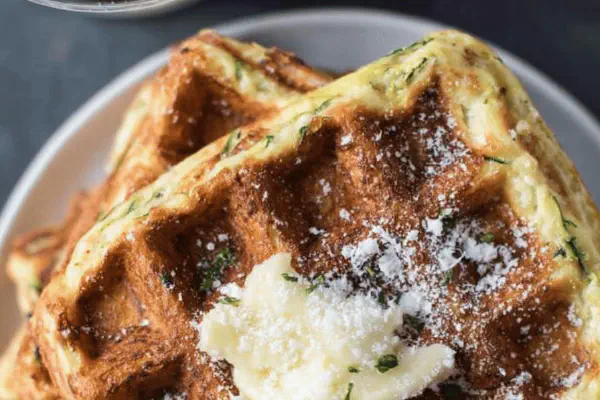
Zucchini Parmesan Waffles

Sweet Potato Bacon Quiche
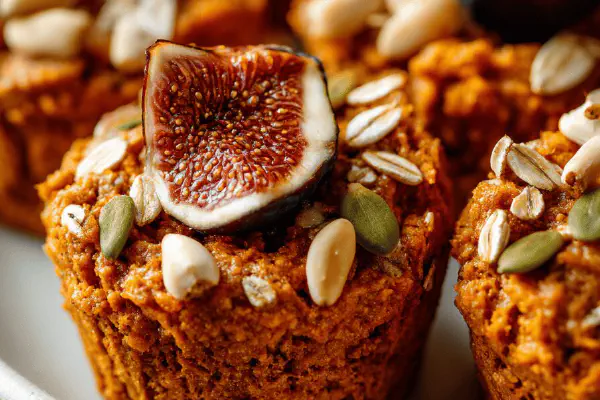
Sweet Potato Muffins
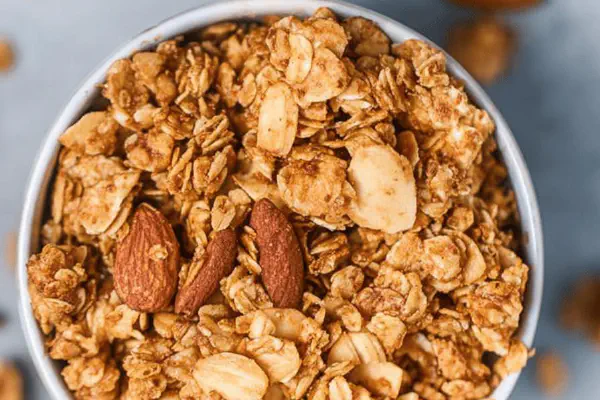
Vanilla Almond Granola Rework
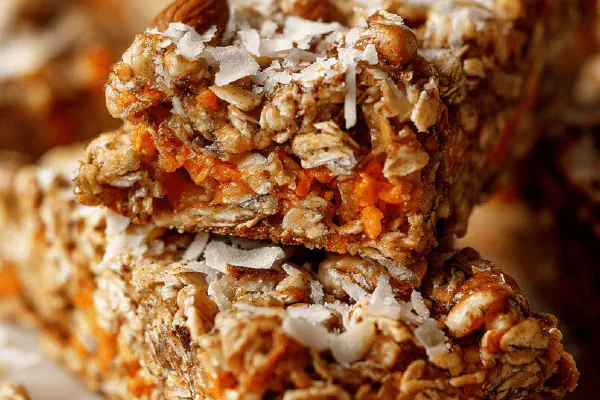
Rustic Breakfast Bars
About the ingredients
Swapping pumpkin with sweet potato ups moisture slightly but also thicker texture—whisk extra well so no clumps. Honey instead of sugar adds depth but watch batter; too sticky means small tweak with flour next time. Spices can be adjusted; prefer mild clove but strong cardamom can sneak in if you like. Oil can be neutral veg or coconut for aroma, melted but not hot. Milk—whole keeps tender crumb, skim works but expect slight dryness. Butter or oil in pan prevents sticking, butter adds richness but burns fast. Quality baking powder and soda needed for rise—check freshness. Salt balances sweetness; don’t skip.
Method
- Whisk together flour, honey (measure carefully since it’s sticky), baking powder, baking soda, spices, salt. This dry mix is the backbone. Use a fine whisk; aerates, no clumps.
- In another bowl, beat milk, egg, oil, and sweet potato puree till blended. Sweet potato swap changes moisture—thicker than pumpkin—so whisk well to minimize lumps. Scrape sides, get a silky liquid.
- Pour liquids into dry in one bowl. Fold gently, not stirring like a cake batter. Lumps still visible? Good! Overmix toughens pancakes; fewer lumps make them tender and lofty.
- Let batter rest 7 to 12 minutes; I usually wait 10. Allows gluten to relax, bubbles to start developing. Trust the pause—it pays off in fluff.
- Heat your griddle or heavy nonstick skillet on medium-high for about 8 minutes until warmed through, then drop heat to low medium; too hot burns outsides. Butter or oil the pan, listen for sizzling, but not smoking burnt butter.
- Use a 1/3 measuring cup scoop. Dropping batter, hear that thunk into the pan; spreads slowly. When tiny bubbles form on surface and edges look set but not dry, flip gently with a thin spatula.
- Cook second side until golden, darker amber than pale tan, about 2 to 3 minutes. Smell toasted edges, feel light spring back when poked gently with finger. If batter’s raw around bubbles after flipping, a lower heat.
- Remove cooked pancakes to warm plate, cover loosely with foil. Keep pan heated but turn off once batter's done. Repeat scooping, adjusting heat if needed to keep color consistent—no scorch marks or soggy middles.
- Serve with pecans for crunch, cream to soften spice, fresh fruit for bright balance. Maple syrup optional here—honey already sweetens well. I like a pat of butter melting in the center, watch it pool and soak in.
- Leave comments or share tweaks. Ever swapped pumpkin spices with cardamom or orange zest? I have; spice family’s flexible. Try it out, taste is your judge.
Cooking tips
Whisk dry mix fully upfront to avoid pockets of leaveners or spices later. Liquid mix smooth with no lumps or chunks for uniform batter. Combining wet and dry—fold carefully, stop when big lumps gone. Overmix means dense, flat pancakes. Rest batter to develop mild bubbles and relax gluten; this step often skipped but crucial for fluff. Preheat pan evenly, test by flicking a drop of water—should dance loudly then settle. Use medium-low heat once hot to control browning. Watch bubbles, edges for flip cue. Post flip, look for deep golden—not just pale—edges and spring back when pressed gently. Keep cooked pancakes warm in tented foil. Adjust heat between batches to prevent burning or raw batter. Serve immediately or pancakes go soggy fast.
Chef's notes
- 💡 Dry mix first. Whisk thoroughly or baking powder, soda clump up and you get uneven rise. Spices go here; no lumps. A fine whisk helps. I’ve had bitter spots when uneven.
- 💡 Whisk liquids separately. Egg breaks up, oil smooths. Sweet potato puree thicker than pumpkin; whisk vigorously. Lumps in puree are trouble. Scrape bowl edges, get all blended. No clumps = less spotting in final pancake.
- 💡 Fold wet into dry gently. Stop as soon as major lumps disappear. Pancakes with zero lumps come dense. Some lumps keep air, make fluff. Overmix, batter toughens quick. Texture changes too fast with stirring.
- 💡 Rest batter 7-12 min. Gluten softens, bubbles forming. If skipped, pancakes shrink, chew tight. During rest, don’t stir again. Watch batter surface for tiny bubbles before cooking.
- 💡 Heat pan long enough on medium-high for 8 minutes; test by flicking water, should dance then settle. Then reduce heat. Too hot burns pancakes outside, raw inside. Butter sizzles softly but no smoke.
- 💡 Scoop batter with 1/3 cup measure; hear that thunk dropping. Batter spreads slowly. Watch bubbles on top and edges. Ready to flip means edges set but still soft inside. Flip with thin spatula, careful not to tear.
- 💡 Cook second side 2-3 minutes, look for deeper golden amber not pale tan. Press lightly to check spring back. Smell toasted edges. If batter raw, reduce heat next round. Adjust on the fly between batches.
- 💡 Keep cooked pancakes on warm plate covered loosely with foil. Keeps heat, stops drying or soggy bottoms from condensation. Turn off pan after batch done but keep ingredients ready for next round.
- 💡 Substitute oil: mild veg for neutral, coconut for aroma. Butter in pan adds richness but burns fast. Milk whole preferred for crumb, skim makes drier. Honey swap for sugar thickens batter; add small flour tweak if too sticky.
Common questions
Why rest batter?
Rest lets gluten relax, bubbles form in mix. Skipping tightens structure, less airy pancakes. Rest timing matters—7 to 12 minutes enough. Not stirring after rest keeps bubbles intact.
Can I use pumpkin instead?
Yes but pumpkin thinner than sweet potato. Batter looser, cook time might change. If too watery, add small flour bit. Sweet potato ups moisture, thickens, gives dense body.
How to fix lumpy batter?
Some lumps okay, large lumps no. Whisk dry mix well first, whisk liquids separately. Fold gently. Overmix causes gluey texture while undermix leaves dry spots.
Storing leftover pancakes?
Cool fully, stack with parchment in fridge or freeze with plastic wrap. Reheat in skillet on low or toaster. Microwave works but makes edges soggy.
You’ll Love These Too
Explore all →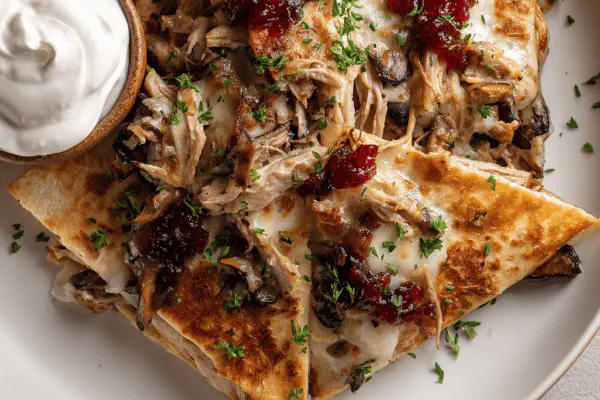
Turkey Quesadillas Remix
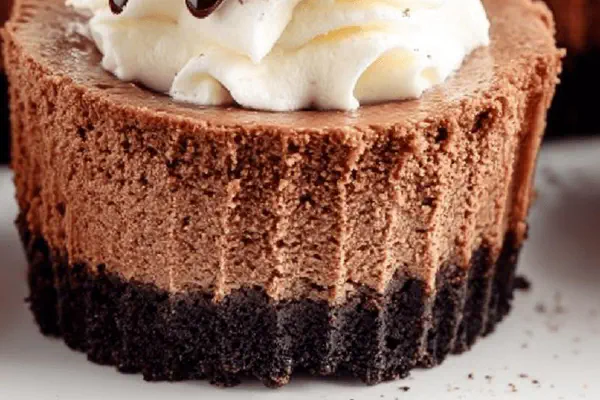
Kahlua Chocolate Cheesecakes

Parsley Vierge Sauce Remix
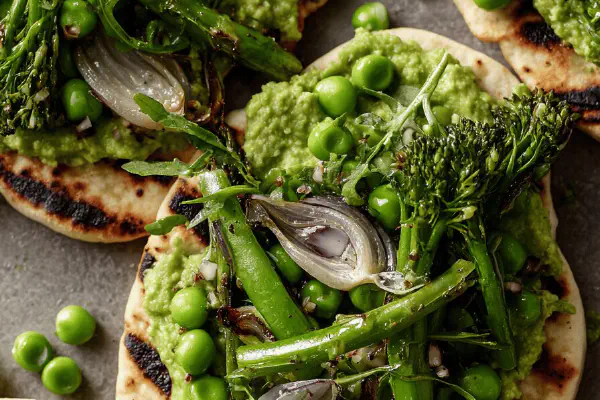
Grilled Pitas with Green Veggies
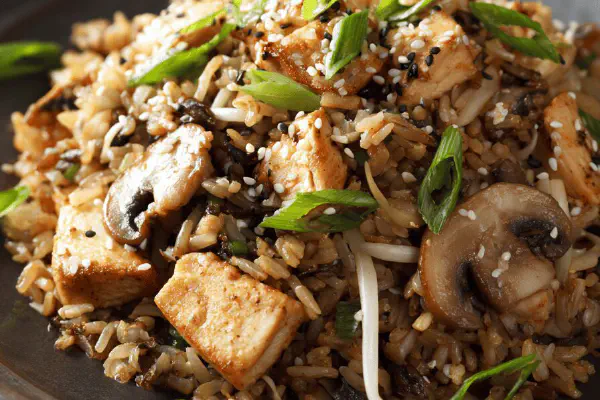
Ginger Chicken Fried Rice
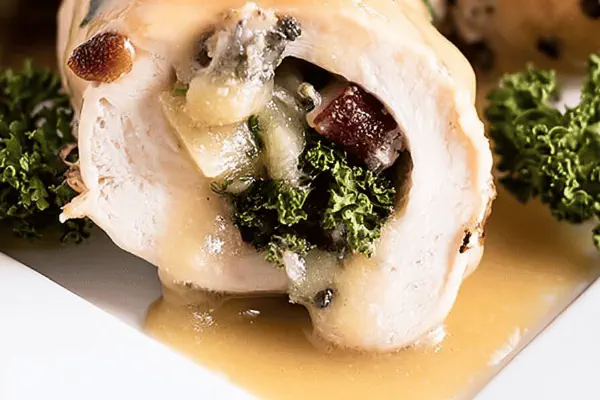
Spinach Pine Nut Chicken Rolls
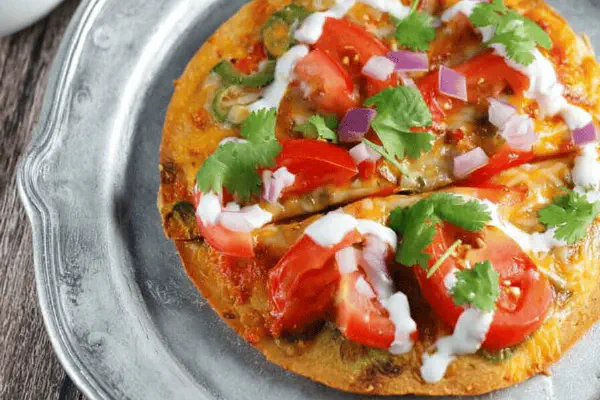
Crispy Mexican Tortilla Pie
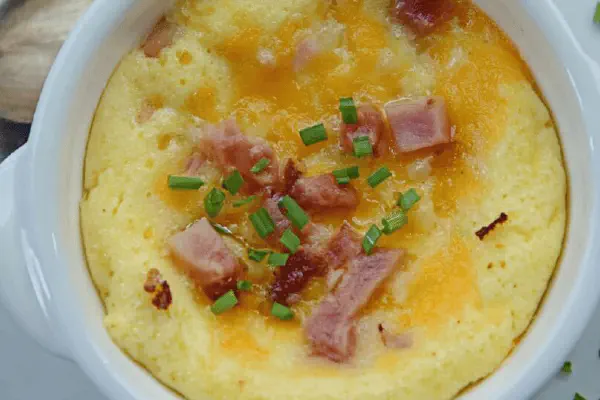
Ham Cheddar Souffles

Pumpkin Walnut Bars
Chilly Melon Banana Blend
Raspberry Hazelnut Smoothie
Chocolate Hazelnut Madeleines
Apple Dapple Cake Remix
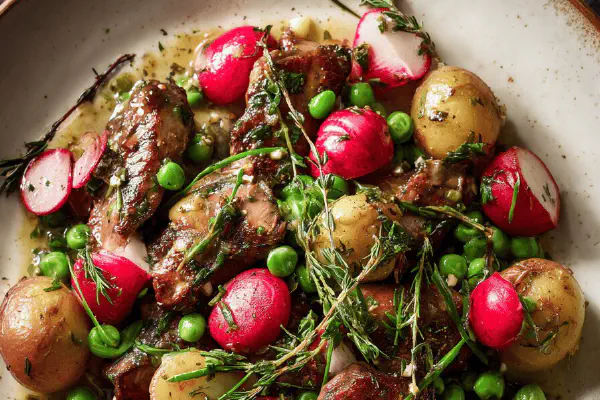
Chicken Livers with Radishes and Peas
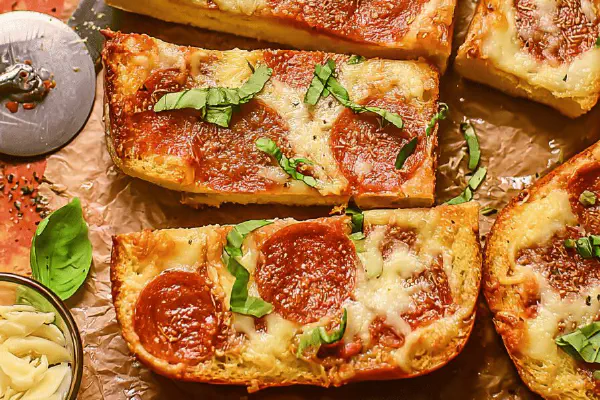
Garlic Bread Pizza Twist
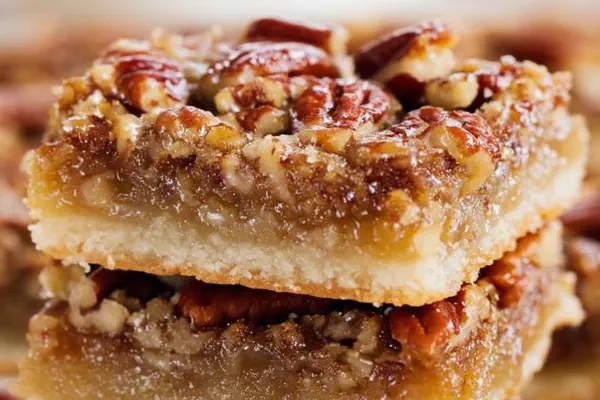
Twisted Pecan Pie Bars
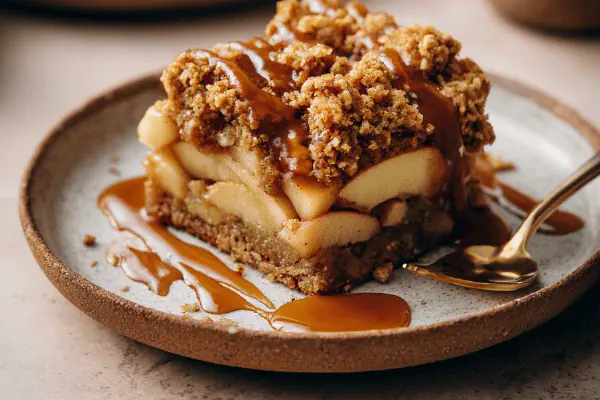
Apple Crumble Squares
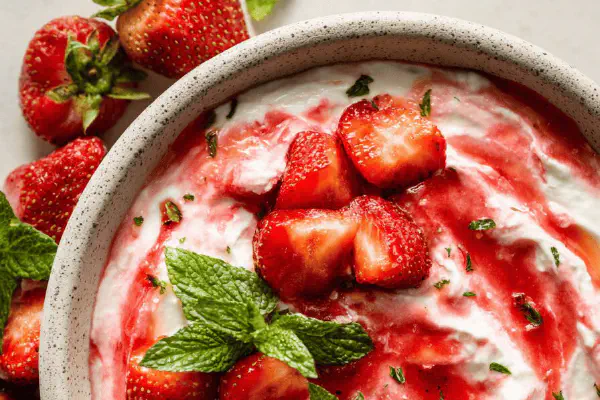
Greek Yogurt Strawberry Dip
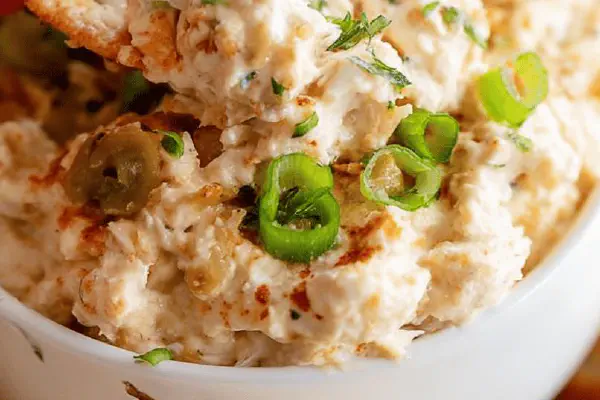
Hot Crab Dip Twist
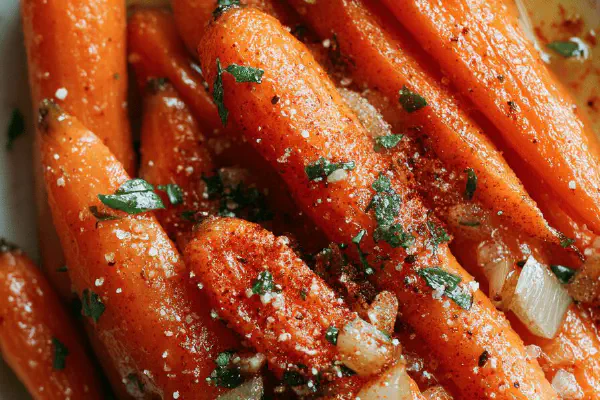
Sous Vide Buttered Carrots Twist