
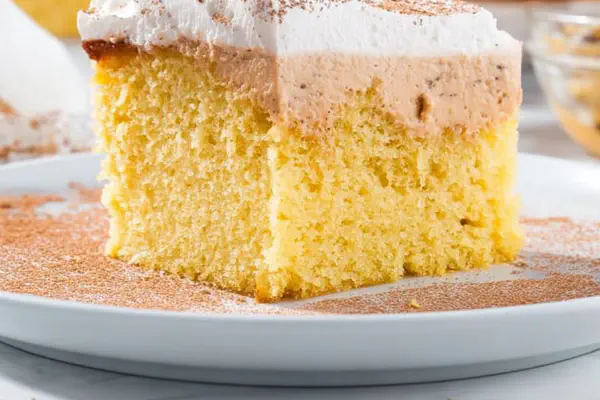
Pumpkin Magic Cake
E
By Emma
Certified Culinary Professional
•
Recipe tested & approved
A layered pumpkin cake mixing boxed batter with pumpkin custard poured on top. Uses milk instead of water and adds pumpkin pie spices. Slow pour of pumpkin mixture sinks in during baking. Topped with pumpkin-spiced pudding folded with Cool Whip. Cook until center feels set. Chill before serving. Seasonal, easy twist on boxed cake, yielding 12 slices. Moderate sweetness with dense texture. Balanced moisture; watch for bubbling edges and slightly jiggly middle. Substitute evaporated milk with half and half for richer custard. Pumpkin can be swapped with sweet potato puree. Bake times vary; rely on toothpick with few crumbs. Chill times improve flavor melding and pudding stability.
Prep:
20 min
Cook:
55 min
Total:
1h 15min
Servings:
12 servings
#pumpkin
#fall dessert
#layered cake
#custard
#seasonal baking
#boxed cake hack
Before You Start
Ever had boxed cake mix turn into something more? With pumpkin magic cake, boxed yellow cake forms a base layer but the surprise is the pumpkin custard slowly sinking through, baking into the batter itself. The trick is the slow pour of spiced pumpkin mixture over the cake wet batter, creating layers without fuss. Swapped water for whole milk in the mix for extra richness but keep an eye on texture so it doesn’t flood. Post-bake cooling before pumpkin pudding topping crucial. Chilling melds flavors, sets the pudding layer. Past attempts taught me patience here; rushing the chill step means sloppy slices. Pumpkin spices evoke fall kitchen coziness; cake edges bubble with caramel notes signaling doneness. It’s an intuitive bake, listen for pops, watch the jiggle.
Ingredients
- 1 box yellow cake mix
- ½ cup vegetable oil
- 1 cup milk (instead of water)
- 3 large eggs (divided 1 for cake, 2 for pumpkin mixture)
- 1 can (15 oz) pumpkin puree
- 1 can evaporated milk (or substitute half and half)
- 2 tsp pumpkin pie spice
- ½ cup light brown sugar
- 1 box instant vanilla pudding mix (3.4 oz)
- 2 cups cold milk (for pudding)
- 1 cup Cool Whip
- Nonstick cooking spray
In The Same Category · Desserts
Explore all →
Maple Cream Cheese Frosting Twist
Mom’s Chocolate Pudding Altered

Twisted Fruity Sundae Brunch
Creamy Citrus Rice Pudding
Salted Caramel Doughnuts
Blueberry Bread Pudding Maple Sauce
Mini Orange Bundts Remix
Lemon Raspberry Tart
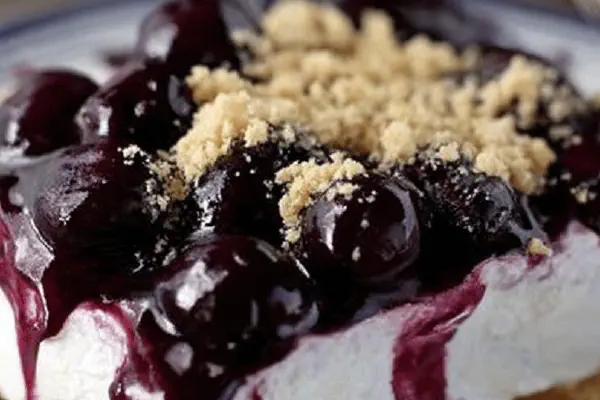
Blueberry Cookie Cream Layer

Maple Stuffed Apple Dumplings

Caramel Apple Upside Cake
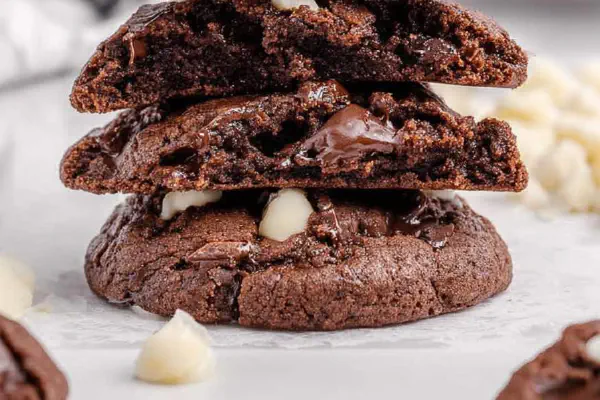
Triple Chocolate Cookies
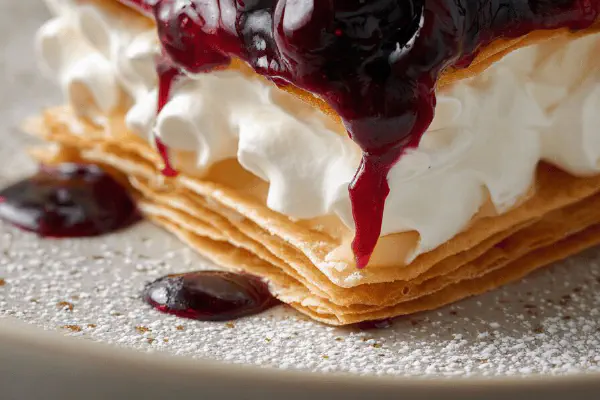
Maple Blueberry Pavlova
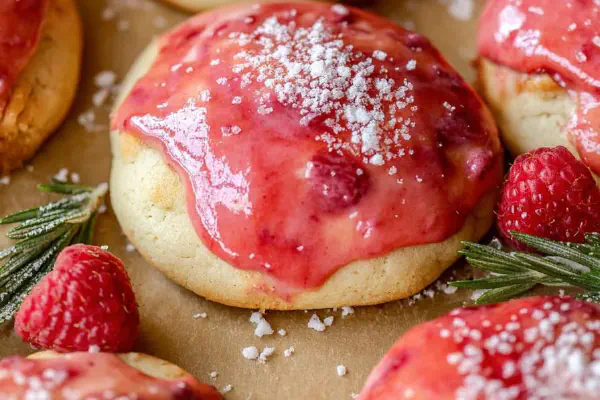
Raspberry Cheesecake Cookies Twist

Streusel Coffee Cake Cookies
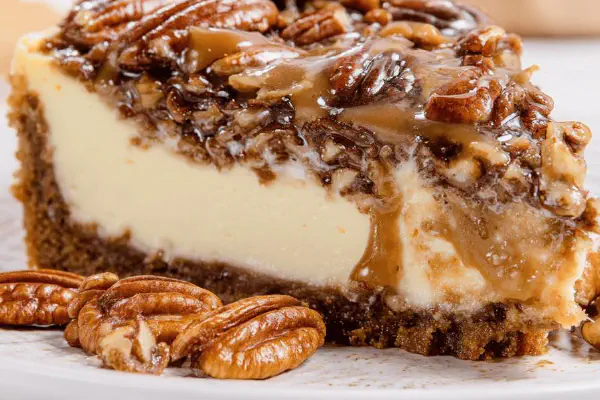
Twisted Pecan Cheesecake
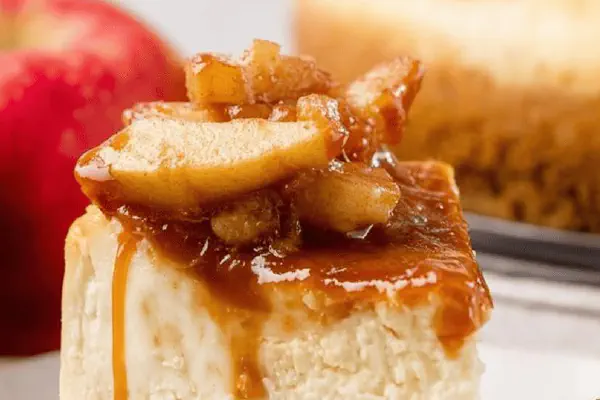
Caramel Apple Cheesecake
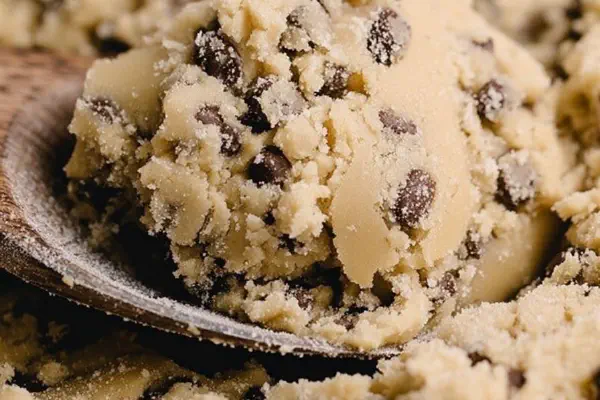
Safe Edible Cookie Dough
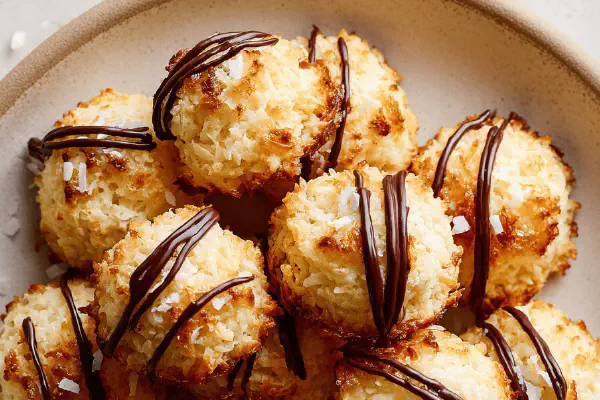
Coconut Macarons Vegan
Donut Hole Cake Pops
About the ingredients
Vegetable oil keeps cake moist but you can sub melted butter for nuttier flavor; watch batter consistency then. Milk instead of water uplifts cake flavor—whole milk preferred but 2% works, avoid skim or flavor flattens. Eggs divided—one in cake, two in pumpkin custard—help structure both layers. Evaporated milk gives custard depth; substituted half and half yields richer custard at risk of overbaking if temp too high. Pumpkin puree can be canned or homemade; homemade might add more moisture, so slightly reduce liquid elsewhere. Brown sugar adds molasses undertones. Instant pudding mix speeds topping prep; vanilla vanilla recommended to complement spices. Cool Whip folding lightens pudding top, prevents heavy mouthfeel. Spray pan well to prevent stickiness after custard sinks through. Nonstick spray or butter and flour wipe works.
Method
- Set oven to 350 Fahrenheit. Oil a 9x13 inch pan liberally to avoid stuck edges.
- In a large bowl, dump cake mix, ½ cup vegetable oil, 1 cup milk (not water here), and 1 egg. Whisk just enough to combine but no heavy beating. The original suggests 2 minutes medium speed but I go until no dry chunks remain.
- Pour batter into greased pan. Spread evenly with spatula. No need to press down; batter thick.
- In a separate bowl, whisk together pumpkin puree, evaporated milk, 2 remaining eggs, brown sugar, and pumpkin pie spice until homogeneous. No lumps, lightly fluffy.
- Here’s the key: slowly drizzle pumpkin blend over entire cake batter, edges first, then center. Go slow to let mix seep down. Do not stir or swirl. Batter looks marbled now and will sink as it bakes.
- Pop pan into center rack of oven. Bake for roughly 50 to 60 minutes — edges should bubble and become golden, center slightly jiggly but not wet. A toothpick inserted in center will come out mostly clean with a few moist crumbs.
- Once done, cool on wire rack until room temp, at least 30 minutes.
- While cooling, whisk instant vanilla pudding with 2 cups cold milk and ½ teaspoon extra pumpkin pie spice until thickened, about 2 minutes.
- Fold in Cool Whip delicately to keep it airy. Spread this topping evenly over cooled cake. Avoid warm cake or topping will melt and run.
- Refrigerate at least 1 hour for flavors to meld and pudding to set fully. Serve chilled for best slices.
Cooking tips
Preheating is non-negotiable for even baking. Greasing pan thoroughly avoids crust hanging tough later. When mixing cake batter, do not overmix or batter toughens—2 min medium on mixer usually perfect. When pouring pumpkin custard, slow drizzle over batter edges helps it settle gradually through batter, preventing blobs or heaviness on surface. Baking time best judged by visual clues — bubbling edges, lightly browned surface, center with slight wiggle but set. Stick a toothpick — moist crumbs, no raw batter. Cooling before frosting mandatory; warm cake obliterates topping structure. Whisk pudding aggressively to avoid lumps, fold Cool Whip gently to retain air. Final chilling solidifies pudding; refrigerate minimum hour, longer if time allows. Serve cold for neat slices.
Chef's notes
- 💡 Oven too hot? Edges burn, center stays too wet. Watch for bubbling edges, these caramelize sugars—good signal. Jiggle in middle means custard still sets. Slow pour pumpkin custard blend or blobs form on top. Not stirring key. Makes marbled mix, settles while baking. Wait till cool before topping or pudding melts off. Nonstick spray or butter+flour for release. Parchment if stuck. Dividing eggs matter. One in cake batter, two in custard adds structure.
- 💡 Swapped whole milk for 2%. Cake still moist but less rich. Evaporated milk in custard adds density, half and half richer yet risk custard too firm or cracks. Taste shifts subtly. Brown sugar critical for that caramel depth, don’t sub white sugar direct or flatter. Pumpkin pie spice strong component, add slowly if unsure. Overdid spice once, tasted like canned pumpkin spice shaker gone rogue. Instant pudding mix speeds prep, vanilla only though—other flavors clash with pumpkin pie spice.
- 💡 Cake batter thick, spread without pressing down. Over mixing? Batter tightens, cake tough. Mix till no dry streaks, lumps no. Pour pumpkin mix slow edges first, watch for uneven sinking. Too fast pour leaves custard on top thick, weird bubbles. Pumpkin puree from scratch adds more moisture, adjust milk down slightly. Chill after bake vital—cooling 30 minutes minimum takes edge off heat, sets center partially before pudding slathers on top. Rushing here ruins topping texture.
- 💡 Folding Cool Whip, gentle motions only. Over stirring deflates mousse-like texture, pudding turns flat, heavy mouthfeel. Use rubber spatula. Pudding thickens quick with cold milk, whisk hard but briefly. Let chill at least hour after topping before slicing. Longer chill helps flavors meld and slices hold neat. Toothpick test best doneness check over set timers. Moist crumbs okay, raw batter no. Oven temps vary; rack placement center best for even heat.
- 💡 If stuck in pan, try baking parchment liner next time. Oil spray helps, but custard layer prone to stick. Bake until edges deep golden—shows sugar caramelization. Jiggly center when touched—not wet, just slightly. Smell caramel and pumpkin spices creeping out oven means close to done. No swirl of custard on surface, just marbled texture in batter. No stirring custard in cake once poured—let gravity do work. Pumpkin can swap sweet potato puree but adjust moisture ratio. Don’t rush any step. Patience alters final texture.
Common questions
How can I tell cake is done?
Watch edges bubble and brown. Jiggle middle slight but not wet. Toothpick test—crumbs sticky okay, no raw batter. Smell caramelized sugar. Patience here beats timer. Moistened crumbs normal with custard layer.
Can I use homemade pumpkin puree?
Yep but usually wetter. Cut back liquid in custard slightly. Monitor batter thickness. Homemade might change final moistness; adjust oil or milk if needed. No swirl custard in batter still important.
Why did pumpkin custard not sink?
Pour too fast usually. Custard blobs float, cook as separate layer. Pour pumpkin blend very slow from edges inwards—gravity and weight settle it. Don’t stir after pour. Batter thickness matters too—too thin won’t hold custard weight.
How to store leftovers?
Refrigerate covered at least 3 days. Keep pudding topping sealed tightly. Can freeze but texture in pudding changes—best fresh or chilled. Wrap tightly with foil or plastic wrap to avoid drying edges. Bring to room temp slightly before serving for best mouthfeel.
You’ll Love These Too
Explore all →
Chunky Raïta Salad
Salmon Gravlax Canapés
Microwave Butter Brownies
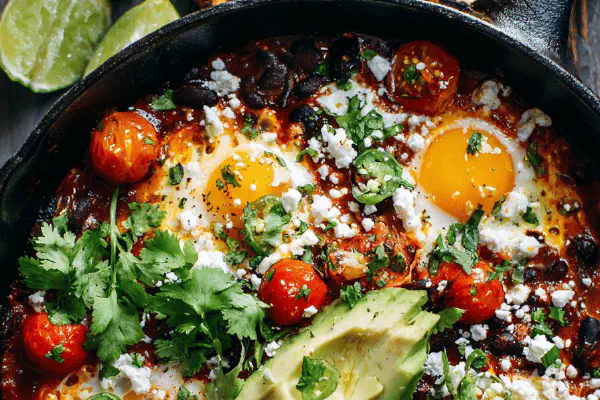
Grilled Ranch Eggs Black Beans
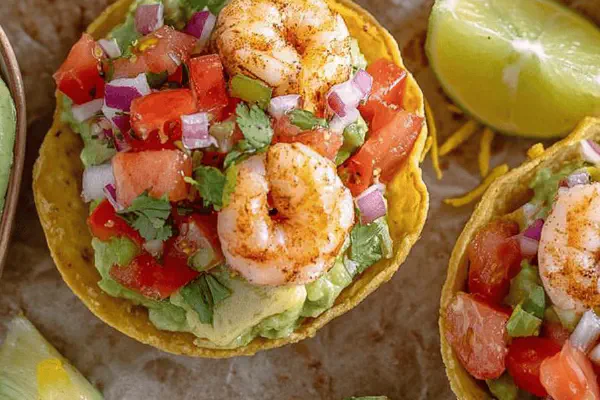
Spicy Shrimp Tostada Cups
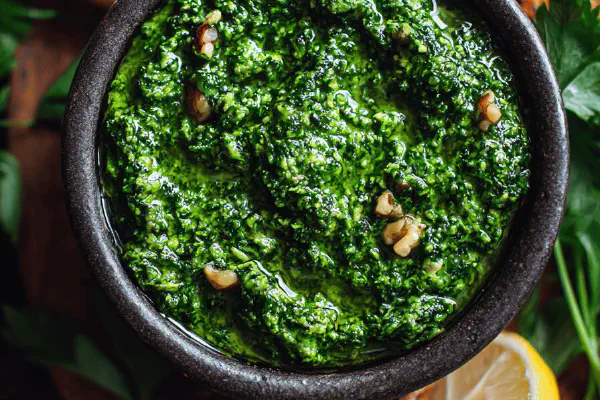
Twisted Parsley Spinach Pesto
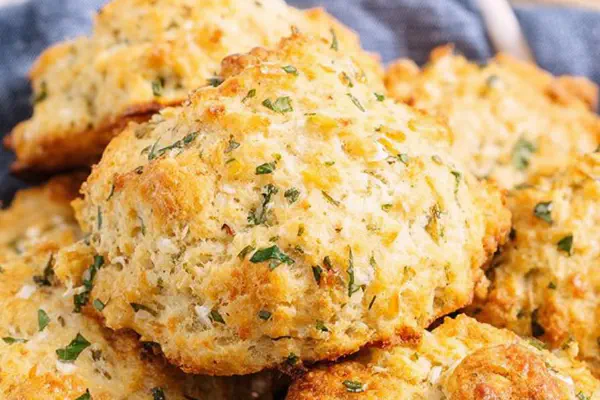
Herb Cheese Drop Biscuits

Pork Chops and Roasted Zucchini Salad
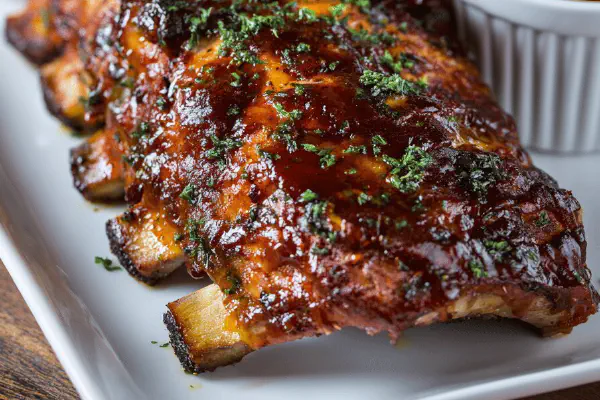
South Carolina Mustard BBQ Sauce Twist

Yogurt with Spiced Carrot Jam
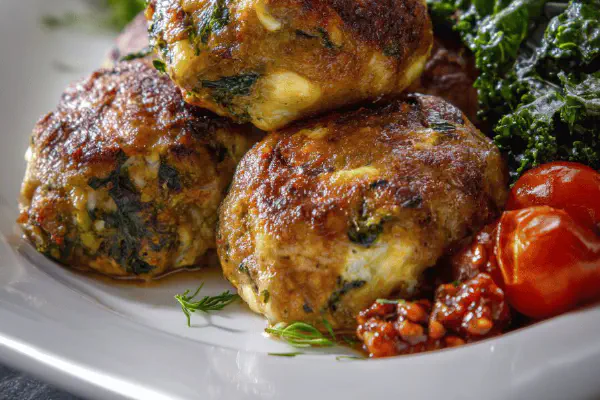
Giant Meat and Broccoli Balls

Citrus Aperol Twist
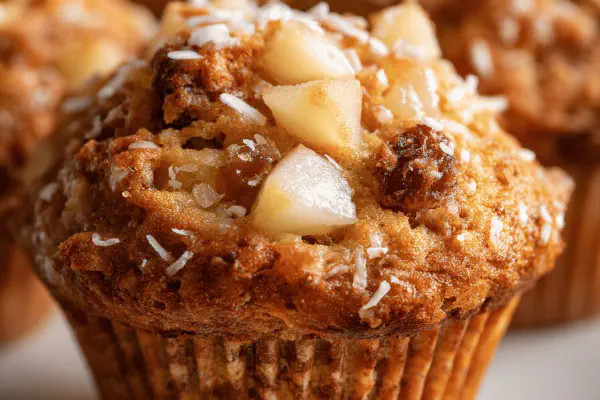
Pear and Date Muffins
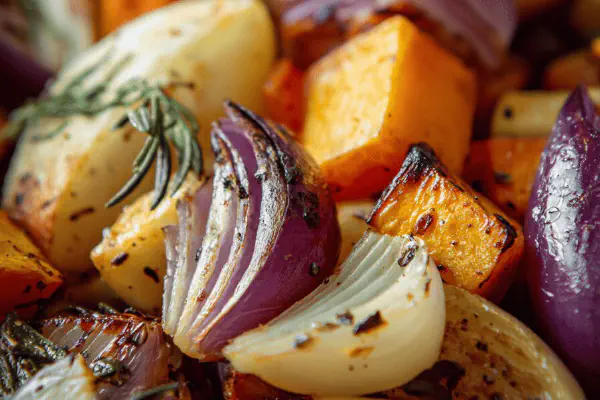
Autumn Roasted Veggies and Pear
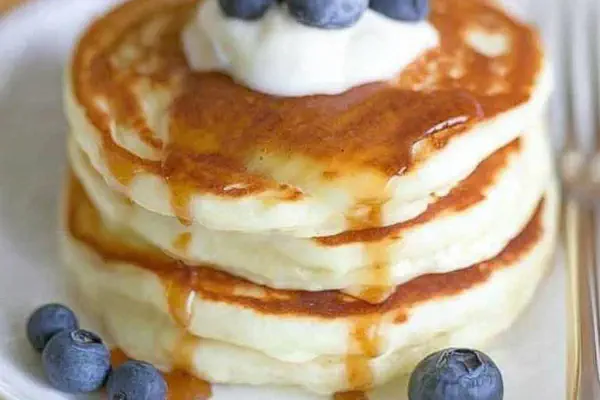
Fluffiest Buttermilk Pancakes
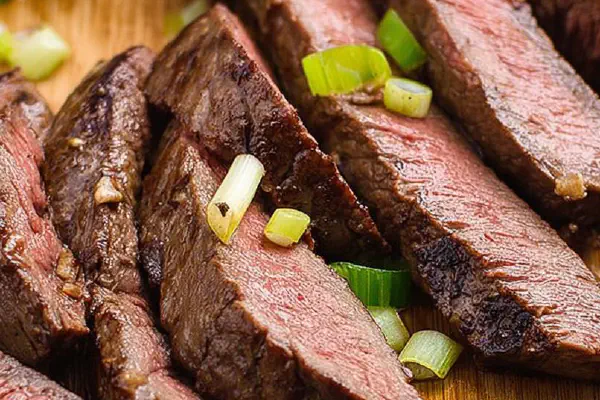
Asian Style Sirloin BBQ

Holiday Deviled Eggs Trio
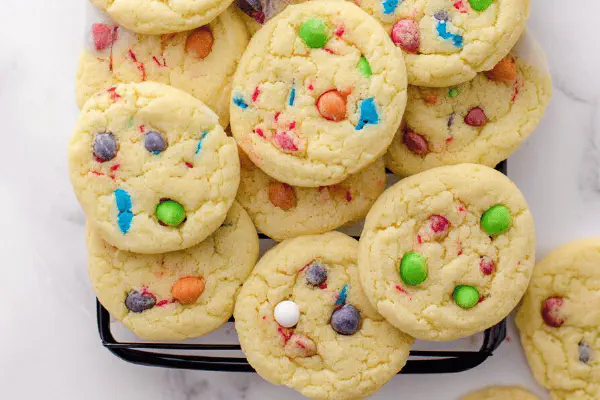
Twisted Cake Mix Cookies
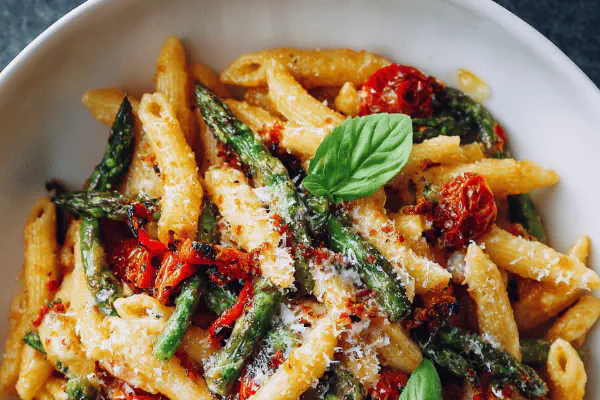
Pasta with Roasted Peppers and Asparagus
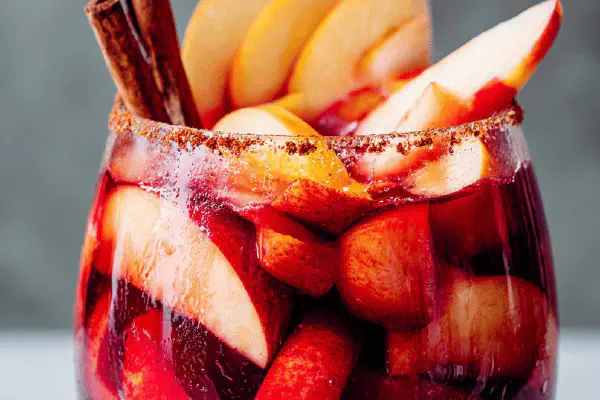
Red Wine Sangria Twist
