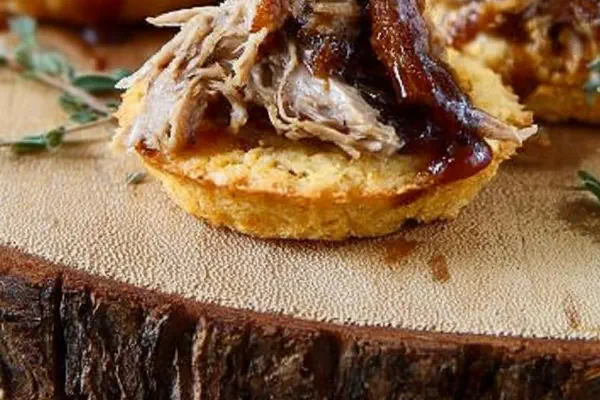
Pulled Pork Cornbread Tarts
E
By Emma
Certified Culinary Professional
•
Recipe tested & approved
Cornbread dough balls flattened, baked until edges brown. Soft butter mixed with cornbread mix creates dough that firms quickly. Bake on parchment until golden hints appear. Cool then top with pulled pork and tangy barbecue drizzle. Adjust dough moisture with water if crumbly. Visual and tactile cues guide timing, not strict minutes. Butter softened not melted; dough consistency key. Pulled pork adds savory punch to crumbly corn base. A handheld snack with a smoky tang and cornmeal texture. Practical substitutions included for butter and pork. Focus on intuitive feel during prep and bake.
Prep:
18 min
Cook:
11 min
Total:
29 min
Servings:
12 servings
#southern cooking
#snack recipes
#cornbread
#pulled pork
#barbecue
Before You Start
Cornbread and smoky pork. Familiar friends, yet here they clash in playful handheld bites. Past tries left me fiddling with dough consistency — too dry means crumb disaster; too wet, soggy mess. Butter has to whisper softness, almost melting but no puddles allowed. Dough balls rolled fast then squashed flat on parchment, sounds of cornmeal crunching as they come to life. Oven warmth works magic — edges start caramelizing, aroma drifts like campfire stories. Pulled pork comes last, a smoky surprise against crumbly base. Barbecue sauce? Choose bold, a drizzle that cuts sweetness with tang and heat. No recipes are sacred, try chicken or even roasted veggies for quick twists. Timing is feeling, not clocks. Crumbs, edges, and scents tell all. Learnt the hard way: cornmeal waits no one.
Ingredients
- 1 cup cornbread mix
- 6 tablespoons softened unsalted butter
- small scoop pulled pork (about 1 tablespoon each)
- barbecue sauce for drizzling
In The Same Category · Snacks
Explore all →
Buffalo Chicken Cheese Fries

Herbed Ranch Salt Mix
Chipotle Three Cheese Toast
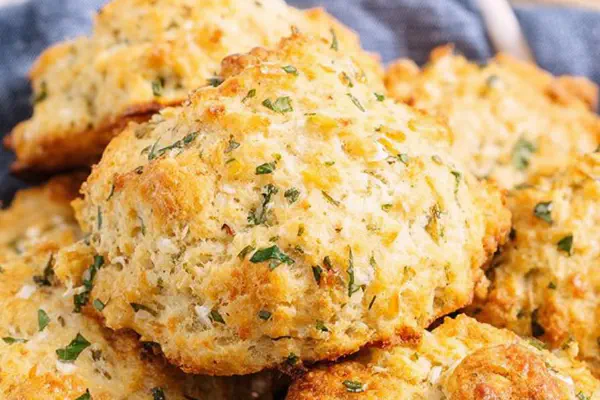
Herb Cheese Drop Biscuits

Chocolate Peanut Butter Balls
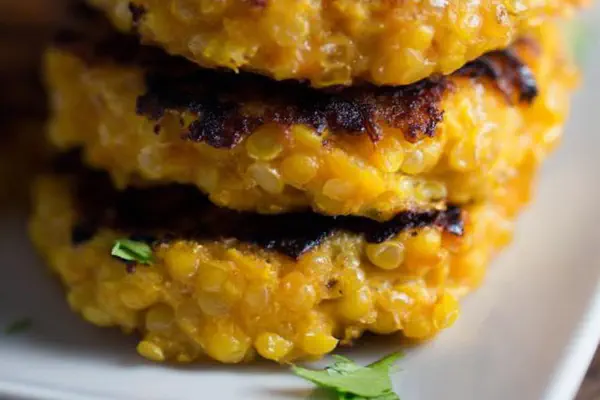
Butternut Squash Couscous Fritters
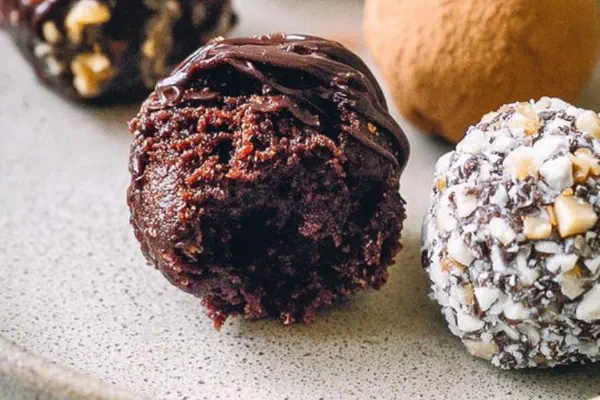
No-Bake Pumpkin Brownie Bites
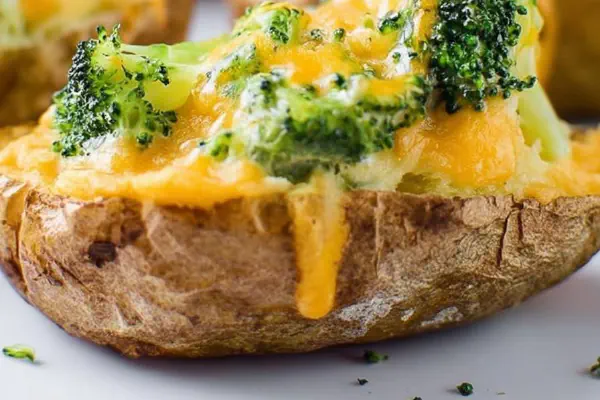
Broccoli Cheddar Skins Remix

Caramel Chocolate Pretzels
Spicy Ranch Firecrackers
Cinnamon Sugar Pretzels

Pepperoni Stromboli Twist
Crunchy Oat Biscuits
Quick Pickled Carrots
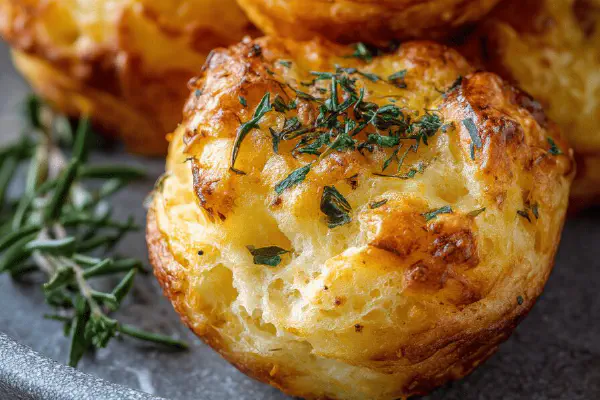
Three Cheese Puffs
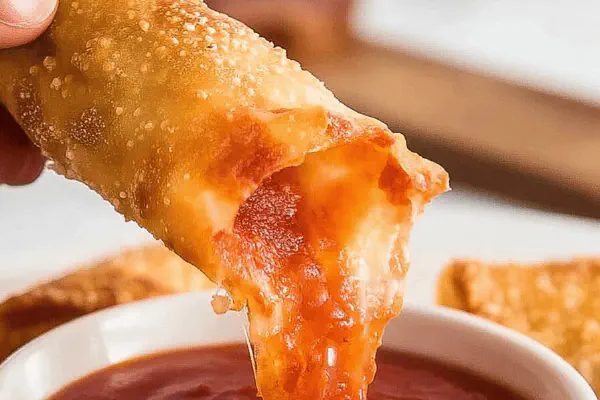
Pepperoni Cheese Logs

Reinvented Samosas Without Frying

Nutty Reindeer Rice Cakes
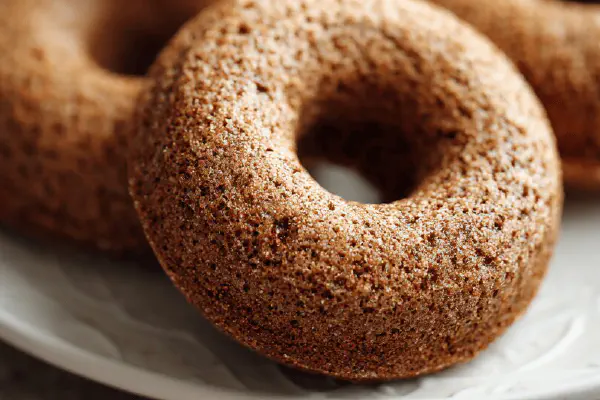
Baked Maple-Chai Donuts
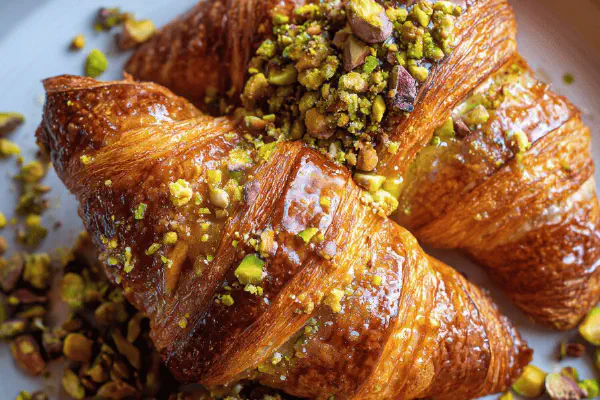
Pistachio Maple Croissants
About the ingredients
Butter softness makes or breaks dough. Use unsalted for control; salted works but watch salt addition elsewhere. Cornbread mix is standard store brand here—comfortably coarse, no mass-produced dust. Substitute butter with creamy avocado oil plus a dash more water if necessary; will change flavor but fat richness stays. Pulled pork lends smoky soul; but shredded chicken or sautéed mushrooms add interesting twist—especially if BBQ sauce runs spicy or vinegar sharp. Don’t overwork dough or it stiffens too fast. Keep dough moist but never sticky. Work quickly; hands warm but use cool, not hot palms. Parchment preferable to avoid sticking; silicone mats okay but less crisp bottom. Season BBQ sauce to your tastes, maybe add a squeeze of lime or a pinch of cayenne for fire. Crunch and chew is the game here.
Method
- Start with butter so soft it nearly melts but hasn’t turned liquid. Dump it into a bowl with the cornbread mix. Stir fast, a dense dough must form. If dry or crumbly, add drops of water — don’t drown it, just in small increments to help hold together.
- Roll tablespoon-sized portions quickly in hands into balls. Press gently down on parchment lined baking sheet. One pan won’t cut it—prepare two to three sheets. Cornmeal absorbs moisture fast; dough firms up, so work fast before becoming powdery.
- Pop into 350 degree F oven (no convect). Bake 10 to 13 minutes. Watch the edges, tiny brown undersides start to crisp. That toasty scent is your sign. They should be firm-ish but not rock-hard. Cool in pan 10 minutes; they’ll solidify suitably for handling.
- Transfer to rack. Cooling fully necessary. Then dollop pulled pork over each tart. Drizzle with favorite barbecue sauce — tangy, smoky, or spicy. Your palate chooses the punch.
- If you don’t have butter, swap with equal avocado oil and a bit more water. Pulled pork can be swapped with shredded chicken or mushroom for twist. Texture matters; too dry dough breaks; too wet gets mushy. Patience with tactile feel, not strict timers.
Cooking tips
Start with extremely soft butter; nearly melted but still solid. Mix fast until cornbread mix binds into dough—no dry bits should remain but don’t overhydrate. Scoop dough promptly—roll into balls with care, pressing flat to no more than 1/3 inch thickness. This ensures crisp edges and soft centers. Bake at 350°F; watch edges for faint golden brown—noise in oven quiets, aromas change to toasted corn and butter notes. 10-13 minutes typical, but test by pressing edge gently—it should spring back. Cool 10 min in pan to firm up before moving; too early and they break. Once fully cool, handle gently and top with pulled pork, sauce drizzled—too much sauce makes soggy mess. Serve same-day for best texture. If dough starts crumbly mid-prep, add tiny water drops; careful, it goes quick. Observe dough feel and oven cues rather than clock obsessively. Cooking is a conversation, not a race.
Chef's notes
- 💡 Butter softness crucial—almost melting but no liquid pooling. Use unsalted for control; salted fine but skip extra salt elsewhere. Stir cornbread mix fast into butter. Dough texture: dense but not sticky. Add water dropwise if crumbly; too wet ruins crisp. Feel dough warmth fingertips, not hot to avoid stiffness.
- 💡 Roll balls quick; size matters—tablespoon works best. Press lightly on parchment; flatten to 1/3 inch max. Use multiple pans, cornbread absorbs moisture fast, dough firms while you shape. Cornmeal cracks if dough sits. Don’t overwork; stiffens dough fast. Cold hands slow process; warm but dry palms ideal.
- 💡 Bake 350°F no convection; 10-13 minutes. Watch edges close—tiny brown tips signal progress. Oven sounds drop, scent shifts to toasted corn and butter. Don’t rely on timers alone. Press edge gently—firm yet springy. Cool 10 minutes in pan to solidify crisp base before transferring. Too early makes breakage.
- 💡 Toppings last. Pulled pork warm/room temp. Spoon dollop carefully. Drizzle BBQ sauce in thin ribbons; avoid soggy mess. Swap pork for shredded chicken or sautéed mushrooms for a twist; texture varies but keep moisture balanced. Taste profile: smoky, tangy or spicy depending on sauce choice—add lime or cayenne if you want fire.
- 💡 Substitutions work but change feel; avocado oil plus extra water for butter replacement alters dough softness and flavor. Dough crumbliness fixed with tiny water drops, not flooding. Always trust sensory clues: dry cracks, aroma sweet notes, gentle press bounce. Toss parchment sheets if greasy. Timing flexible; trust dough cues, not clock.
Common questions
What if butter melts too much?
Too soft means greasy dough, hard to bind. Add cornbread mix to soak up. Chill briefly if needed before rolling. Watch texture closely, adjust water drops carefully.
Can I use convection oven?
Not recommended. Circulating air dries edges too fast, cracks base. If must, lower temp by 25°F and watch closely. Also check edges’ color and scent for doneness.
Dough too crumbly mid-prep?
Add small water drops, one at a time. Mix fast but don’t overhydrate. Cold hands slow moisture absorption. Warming palms helps. Overwater makes dough mushy, patches form in bake.
How best to store leftovers?
Cool completely, wrap loosely to keep texture. Refrigerate for 2-3 days max. Reheat on baking sheet 300°F 5-7 min so edges crisp. Too moist storage ruins crunch; avoid airtight containers with condensation.
You’ll Love These Too
Explore all →
Four Fruit Pudding

Crockpot Ziti Bake
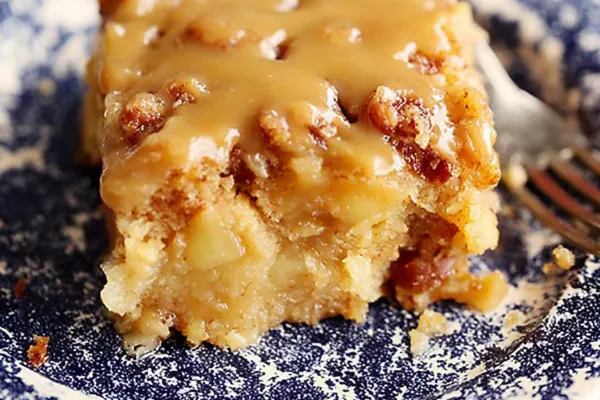
Apple Pecan Sheet Cake
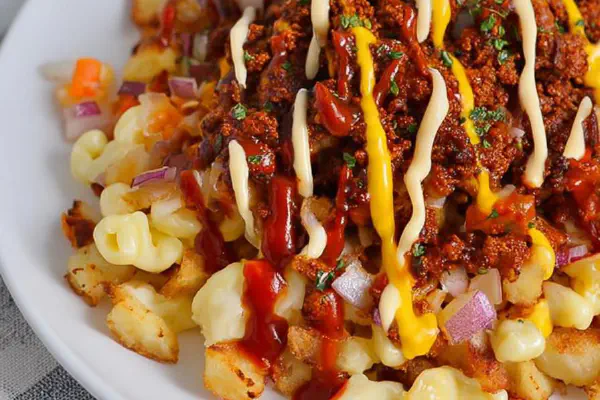
Rochester Garbage Plate Remix
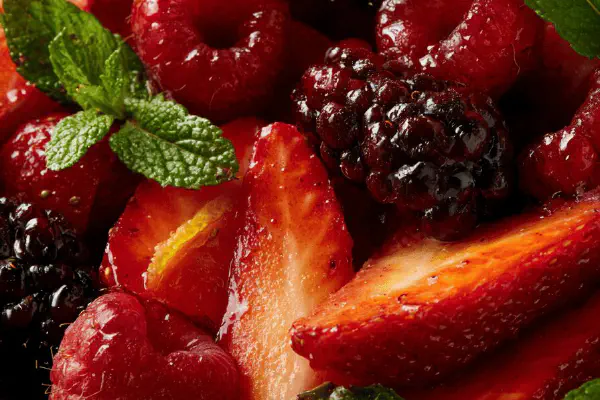
Vanilla Berry Salad
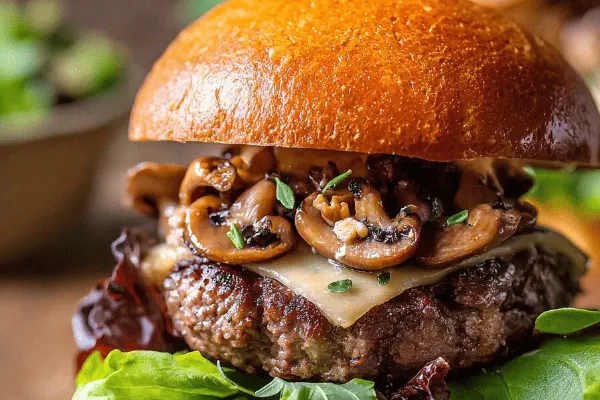
Beef Burger Deluxe
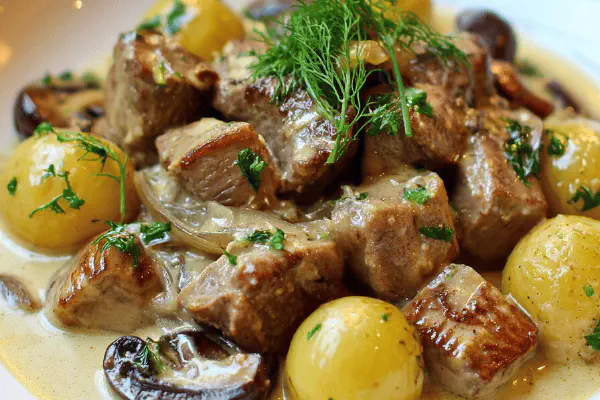
Veal Stew with Creamy Mushroom Sauce
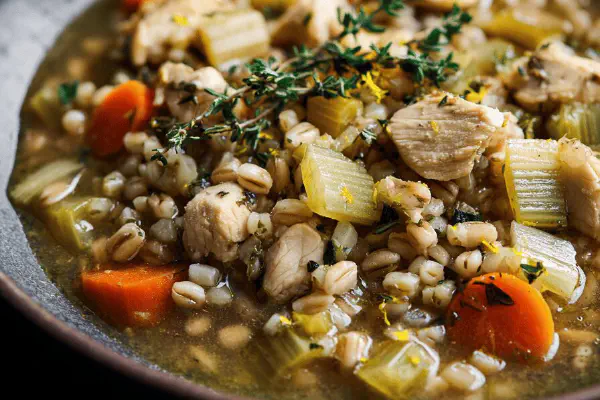
Hearty Chicken Barley Soup
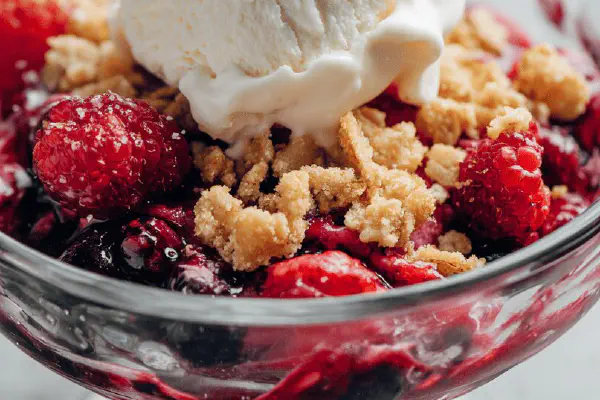
Strawberry Tart Sundae Remix
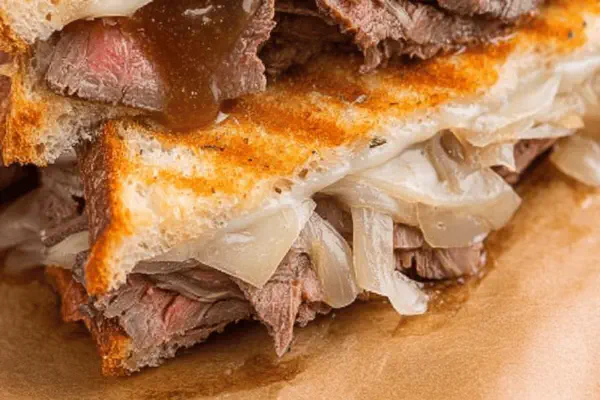
Savory Roast Beef Panini
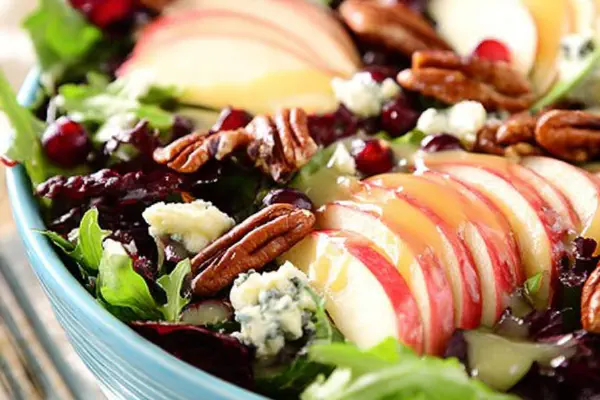
Apple Pecan Salad
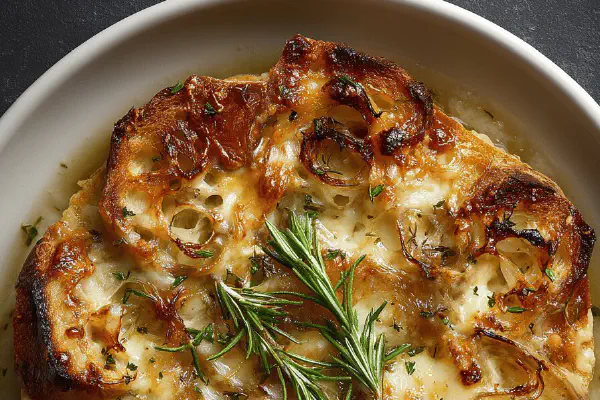
Rustic Onion Gratinée

Fried Banana Cheesecake Rolls

Smoky Chicken Tortilla Soup

Vonnassienne Potato Crêpes

Pasta Jar Mix Up
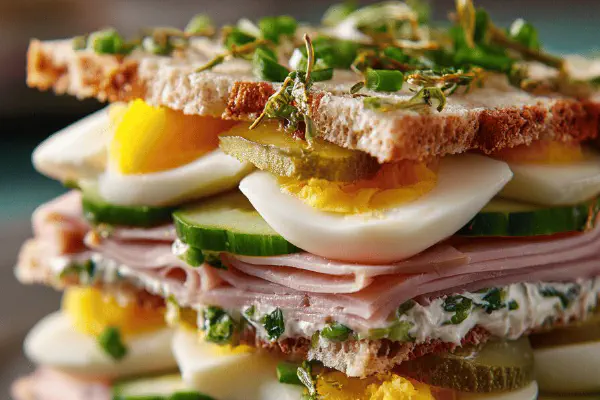
Ham Egg Herb Sandwiches
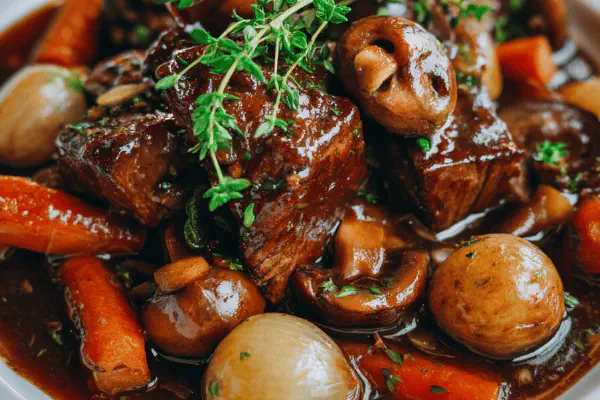
Seitan Bourguignon Twist
Tangy Buttermilk Pound Cake

Spiced Chickpea Chicken Fatteh