Peanut Butter Crinkle Cookies
E
By Emma
Certified Culinary Professional
•
Recipe tested & approved
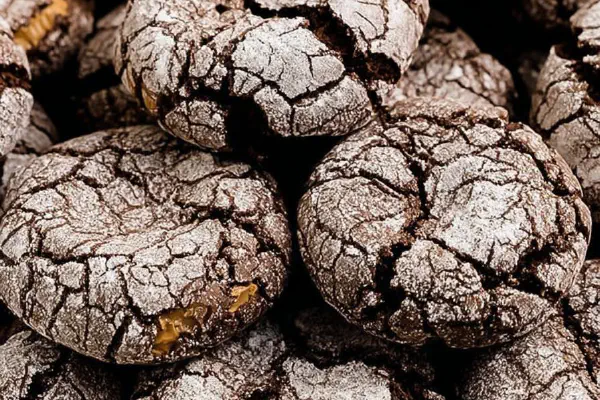
Soft crinkle cookies with melty peanut butter cups inside. Cocoa and peanut butter marry, rolled in two sugars for texture and crackly tops. Chilled dough, gentle mixing, and visual cues guide baking times. Classic with a twist.
Prep:
20 min
Cook:
12 min
Total:
55 min
Servings:
30 servings
#cookies
#peanut butter
#crinkle cookies
#baking tips
#chilled dough
Before You Start
Some recipes get you hooked with one bite. These cookies, packed with peanut butter cup treasures sealed inside, create tension between fudge-like centers and crisp crackled tops. Dark cocoa base balances sweetness, while the double sugar roll adds visual drama and texture. Chilling the dough is non-negotiable — dough too warm and cookies spread too thin, losing that crinkly character. I learned that the hard way with a flat mess once. The trick: gentle folding and careful timing. Use visual cues when baking; crumbs at edges, deep cracks on top and inviting aroma tell you it’s ready. Each bite reveals gooey nut butter goodness swirled in that bittersweet chocolate. Forget smoothie dough; this is tactile dough, sticky and forgiving. The method saves you from overworking, which makes rocks, not cookies. Tiny peanut butter cups halve the fun. Grab your mixer, don’t rush, and get ready to dazzle your snack game.
Ingredients
- 1¾ cups plus 2 tablespoons all-purpose flour
- ¼ cup unsweetened cocoa powder
- ½ teaspoon baking soda
- ½ teaspoon kosher salt
- ½ cup creamy peanut butter (can swap with almond butter but expect flavor shift)
- ½ cup unsalted butter, softened
- 1 cup dark brown sugar, packed
- 1 large egg
- 1½ teaspoons vanilla extract
- ½ cup granulated sugar
- ½ cup powdered sugar, sifted
- 15 miniature peanut butter cups, halved
In The Same Category · Desserts
Explore all →
Rhubarb Raspberry Tartelettes
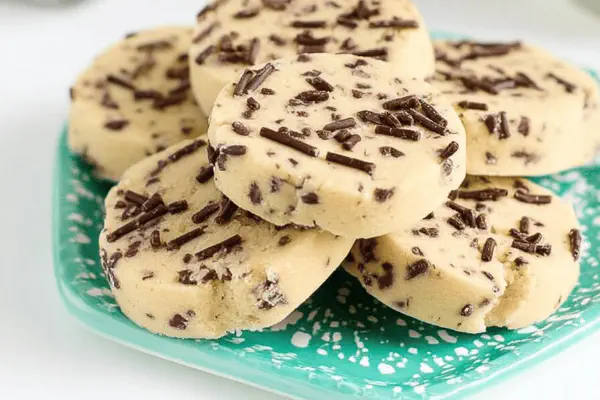
Chunky Chocolate Chip Shortbread
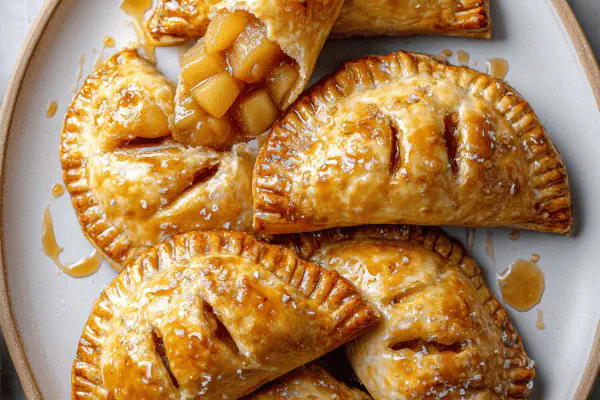
Caramelized Pear Hand Pies

Lemon Cream Cheese Pie
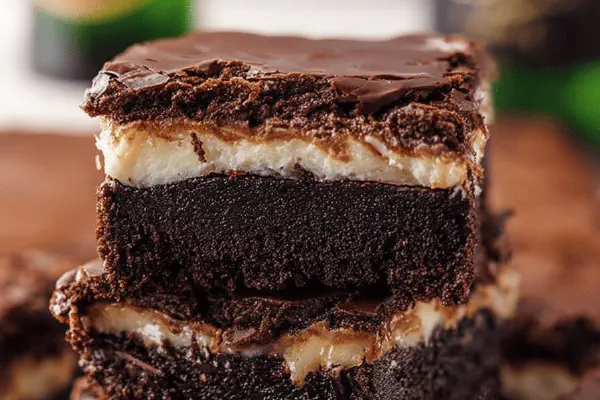
Baileys Brownies Remix

Sour Cream Rose Cookies
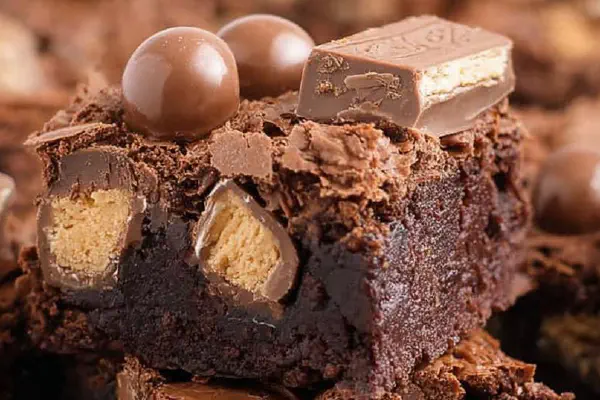
Chunky Candy Brownies
Espresso Chip Brownies
Chocolate Yule Log
Chocolate Cream Cheese Cupcakes
Almond Pound Cake Twist

Apple Poke Cake Remix
Strawberry Mascarpone Tart
Twisted King Cake
Chunky Peppermint Bark
Tangy Lemon Cake Squares
Dr Pepper Brownie Remix
Coffee Chocolate Cookies
Twix Style Cookies
Jasmine Tapioca Kiwi
About the ingredients
Flour measurement adjusted slightly for moisture variations, prevents dry or runny dough. Cocoa powder swap? Dutch-processed works too, but alters acidity, so baking soda’s reaction subtly affected. Peanut butter can be creamy, but natural with separated oils requires stirring before measuring. If dairy-free, swap butter and egg for coconut oil and mashed banana — expect denser texture but still tasty. Brown sugar gives moist chewiness; don’t skip. Vanilla quality matters—cheap stuff masks flavor. Sugar coatings: granulated adds crisp crunch; powdered sugar crackles on baking. For a twist, replace vanilla with almond extract or a pinch of cinnamon for warmth. Be ready to adjust flour by a tablespoon if dough feels too sticky or dry after mixing. Chilling dough prevents over spreading, don’t skip or cookies leak out and lose shape.
Method
- Start by sifting all dry ingredients — flour, cocoa, baking soda, salt — into a medium bowl. Break clumps; no lumps allowed here. Cocoa can be dusty; a fine sieve a must.
- Using a stand or handheld mixer at medium-high speed, beat peanut butter and butter together for a minute or so until creamy but not fluffy. Scrape sides once or twice. Overbeating starts incorporating air, not wanted.
- Add brown sugar next, keep mixing at same speed, about a minute until fully integrated and the mixture thickens. Graininess from sugar should disappear.
- Slow mixer to medium-low. Crack egg in. Beat just until fully combined — no visible yolk streaks. Overmixing here risks tough dough later.
- Pour vanilla in, brief mix to blend. Done when no brownish streaks remain. Aromas merge here; smell test.
- Add dry mix in three additions, gently folding after each addition until barely incorporated. Overworking develops gluten, makes hard cookies — no good. Dough's sticky but manageable.
- Cover bowl with plastic wrap, chill in fridge for 25–35 minutes. Chilling firms dough, eases handling, prevents spreading in oven, giving that crinkle texture.
- Preheat oven to 345°F. Line two baking sheets with parchment or lightly greased foil. Greasing foil is a must — no sticky disasters.
- Put granulated sugar in shallow bowl, powdered sugar in another or a quart-sized sealable bag. Prepping sugar coatings in advance speeds rolling.
- Scoop dough with tablespoon measure, roll into a ball. Slightly flatten. Press half a mini peanut butter cup in center, wrap dough edges over, sealing candy inside. Roll into smooth ball again. Arranging completed cookie balls on first baking sheet, spaced about 2 inches apart.
- Roll each ball first in granulated sugar, then in powdered sugar until fully coated. The double coating creates crackled tops and subtle texture contrast.
- Arrange coated balls on second prepared sheet, spaced well. Give them breathing room.
- Bake 7–12 minutes — ovens vary. Watch crackling on surface and edges setting but not browning too fast. The tell: cracks open and smell rich peanut butter and chocolate mingling. Remove before edges darken heavily. Let rest on sheet 2–4 minutes before transferring to cooling rack. Hot cookies fragile, so gentle.
- Serve when fully cooled; centers chewy with molten peanut butter cups inside — that contrast is everything.
Cooking tips
Sifting dry ingredients aerates and removes clumps, critical for even texture. Mixing peanut butter and butter first ensures distributed fat, helping melt-in-mouth feel. Brown sugar blends sweetness and moisture, avoid skips to prevent dry cookies. Add eggs slowly at medium-low speed to avoid emulsification errors causing grainy dough. Incorporate flour gently — overmixing develops gluten, making cookies tough; folding until just blended is key. Chilled dough is less sticky, eases shaping, and improves baking control. Rolling cookie dough balls with peanut butter cup halves inside ensures gooey peanut butter pockets. Roll edges up precisely; exposed candy melts out, creating mess. Dual sugar coating locks moisture and creates classic crinkly texture. Bake on middle oven rack; top cracks and browns lightly signals doneness. Watch cookies closely last few minutes; residual heat finishes bake after removal. Cooling on sheet lets bottoms set and prevents breakage. Store in airtight containers once cooled to maintain softness.
Chef's notes
- 💡 Sift dry ingredients well to avoid lumps. Cocoa powder can cling, so push through a fine sieve. Incorporate baking soda and salt evenly for uniform rise. Clumps lead to uneven texture — cracks or dense spots show this quickly.
- 💡 Mix peanut butter and butter until creamy but not fluffy. Overbeating traps air, changes crumb. Keep mixer speed moderate to avoid air pockets that can cause cracks or holes.
- 💡 Brown sugar adds moisture and chewiness. Do not skip or replace with white sugar directly. Mix well till fully incorporated — graininess disappears, visibly smoother batter.
- 💡 Add the egg slowly at medium-low mixer speed. Quick additions or high speed can cause emulsification breaking — grainy or curdled dough. Stop as soon as no yolk streaks remain.
- 💡 Fold dry mix gently in three batches. Overworking dough develops gluten, makes tough cookies. Dough should stay sticky but manageable, not tough or rubbery after folding.
- 💡 Chill dough 25 to 35 minutes before shaping. Firm dough resists spreading, holds peanut butter cups inside instead of leaking. Warmer dough leads to flat, oily cookies. Don’t skip chilling unless prepared for mess.
- 💡 Roll cookie balls with half a peanut butter cup inside. Wrap edges carefully so candy fully enclosed; exposed pieces melt out and create oily spots on pan.
- 💡 Roll balls twice in sugar — granulated first, then powdered. This double coating locks moisture during baking and creates crackly texture on surfaces. Skipping this changes look and chew.
- 💡 Bake time varies 7 to 12 minutes. Look for cracks forming, edges setting but not browning too fast. Smell rich peanut butter and chocolate mingling as a key sign. Pull early rather than late to avoid dryness.
- 💡 Cool cookies on baking sheet 2 to 4 minutes before transferring. Hot cookies fragile, can break or deform easily. Transfer carefully to wire rack to finish cooling without losing shape.
Common questions
Can I swap peanut butter?
Yes, creamy almond butter works but expect flavor shifts. Natural peanut butter with separated oils needs stirring first. Texture changes subtly if switched. Watch consistency closely.
Why chill dough?
Controls spread in oven mainly. Warm dough spreads too thin, loses characteristic crinkled top. Also firms dough, easier to shape. Skipping leads to flat, oily cookies that lose peanut butter centers.
What to do if dough too sticky?
Add flour cautiously, tablespoon at a time. Sticky dough hard to roll—messy handling, less shape control. Too much flour = dry cookies. Balance is key.
How best to store leftovers?
Airtight containers room temp okay couple days. For longer, fridge extends freshness but doughs firm. Freeze baked cookies in sealed bags. Thaw at room temp before serving to restore chew.
You’ll Love These Too
Explore all →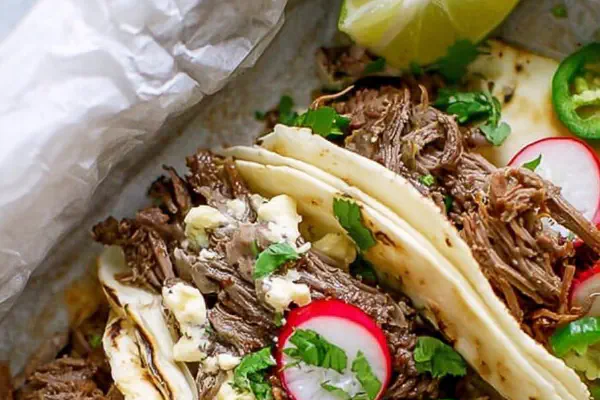
Slow Cooker Barbacoa Tacos

Orange Marmalade Chicken
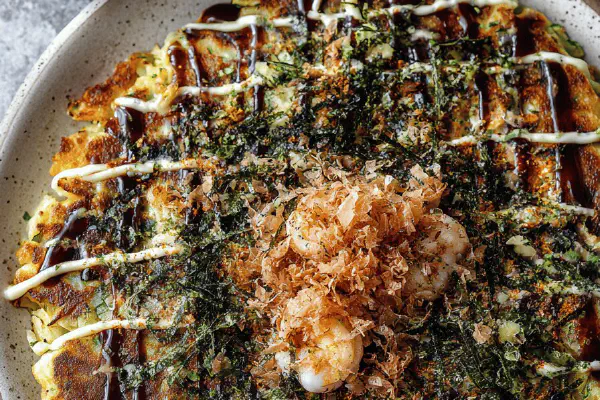
Savory Cabbage Pancakes
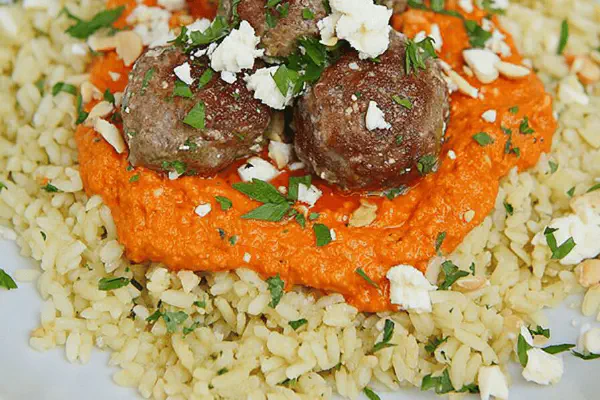
Herbed Lamb Meatballs
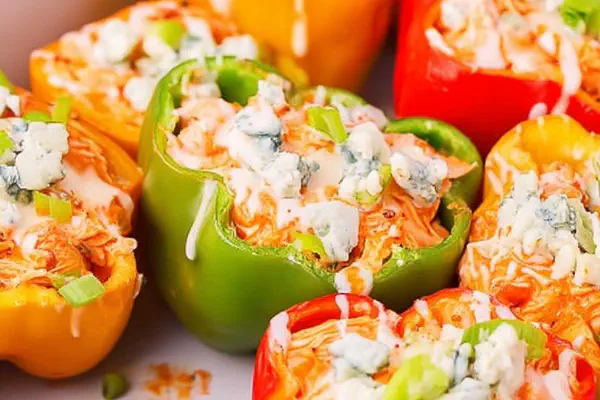
Buffalo Chicken Stuffed Peppers

Carrot Tahini Broccoli Soup
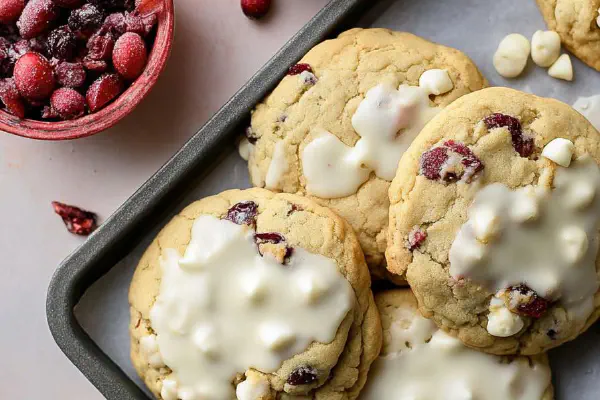
Cranberry White Chocolate Cookies
Citrus Creamy Fruit Dip
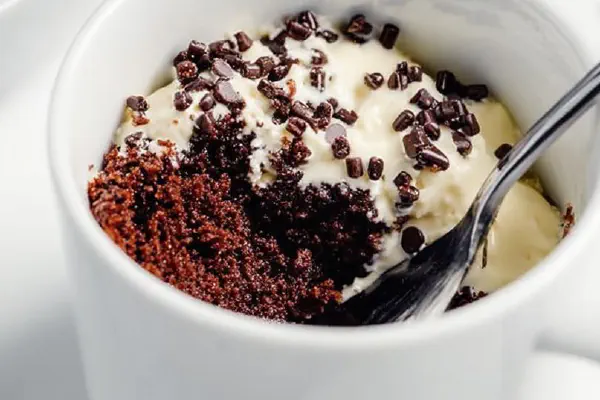
Microwave Chocolate Mug Cake
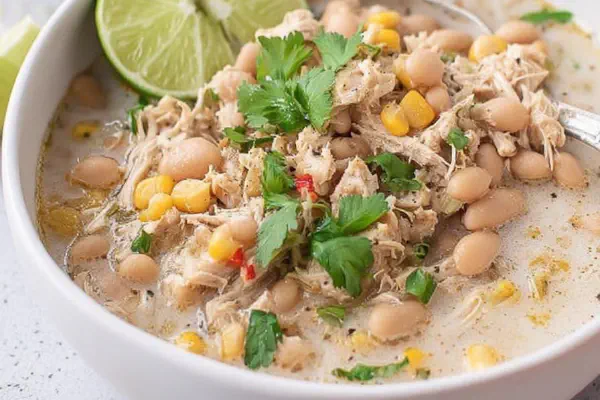
White Chicken Chili

Elderflower Prosecco Spritz
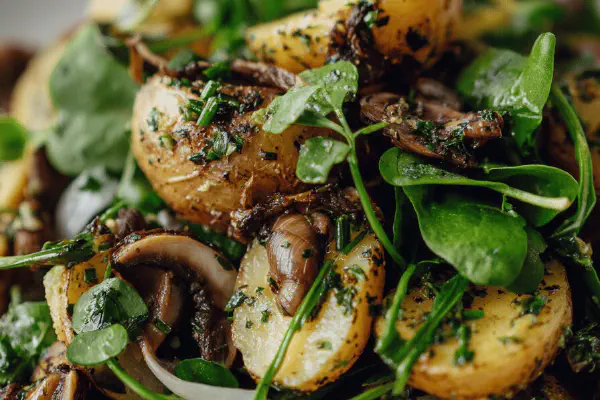
Warm Potato Snail Salad

Twisted Lemon Drop Shots
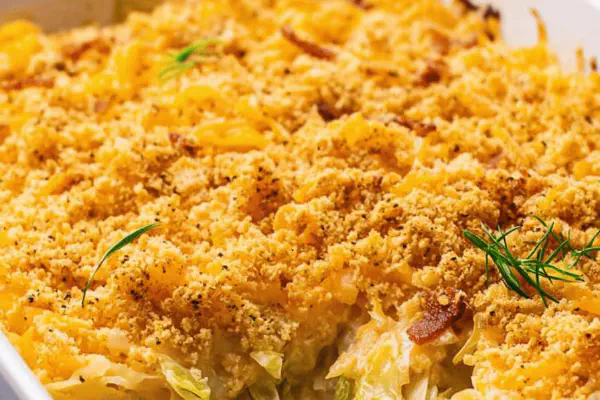
Cabbage Bacon Bake
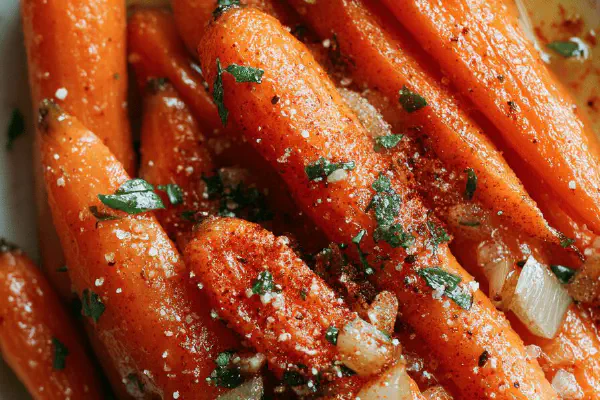
Sous Vide Buttered Carrots Twist
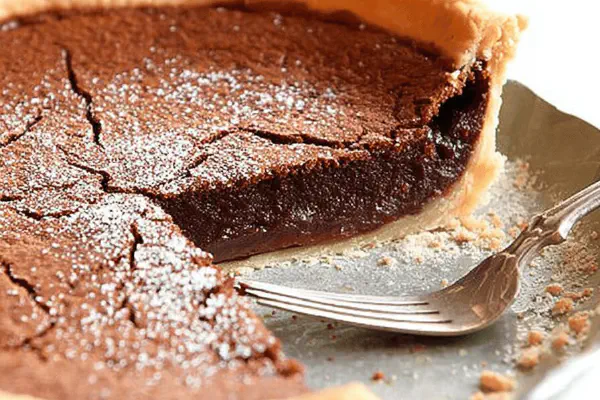
Rustic Chocolate Chess Pie

Citrus Fluff Delight

Candy Cane Crumble Cookies
Dual Salamis Sub Twist
Twisted Salisbury Steak