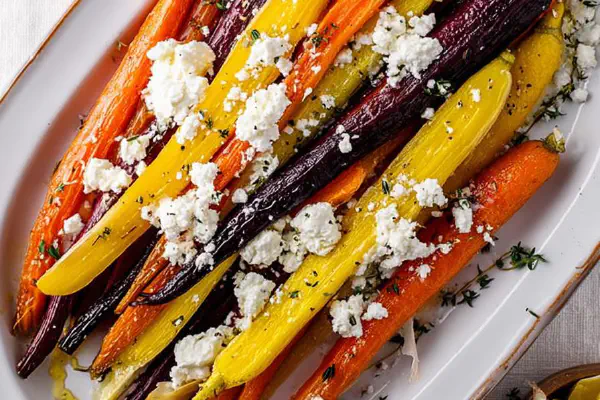
Oven-Roasted Baby Carrots with Ricotta
E
By Emma
Certified Culinary Professional
•
Recipe tested & approved
Carrots roasted until tender, tossed in olive oil and seasoning, paired with a tangy ricotta spread brightened with lemon and fresh thyme. Adjust roast time by size; test softness with fork. Ricotta mix chilled for contrast. Finish with lemon zest and flaky salt for texture and punch. Easy tweaks include swapping ricotta with labneh or goat cheese for creaminess. Use any small carrots but watch timing, bigger ones need longer. Visual and tactile cues guide doneness. Salt and pepper balance earthiness, olive oil brings caramelized edges. A simple roast becomes vibrant from fresh herb and citrus lifts.
Prep:
7 min
Cook:
28 min
Total:
35 min
Servings:
4 servings
#roasting
#vegetable side
#ricotta
#lemon
#thyme
#easy dinner
#American cuisine
Before You Start
Roasting baby carrots brings out their natural sweetness but that alone doesn’t cut it for me anymore. Tried low and slow, then blistered fast, still needed more lift, more brightness. Lemon juice jolt in the ricotta balances richness with acid zing. Thyme adds earthiness, essential because without it the cheese feels flat. Olive oil isn’t just a slick – it helps caramelize, crisp edges while locking moisture inside—don’t skimp here. Watch colors, not clocks; rough edges and fork slip tell you when the magic happens. I’ve learned trimming the greens down prevents burnt bitter bits on the rim, so don’t skip it. The whole dish comes alive with lemon zest and flaky salt on top, texture and aroma playing off each other like a good duet.
Ingredients
- 1 lb small baby carrots, tops trimmed to 1 inch
- 2 tbsp olive oil
- 1 tsp coarse salt
- 1/2 tsp freshly ground black pepper
- 1 cup ricotta cheese
- 1 1/2 tbsp fresh lemon juice
- 1 tsp finely chopped fresh thyme leaves
- zest of 1 lemon
- flaky sea salt, to finish (optional)
- extra olive oil for drizzling
In The Same Category · Side Dishes
Explore all →
Rustic Irish Colcannon
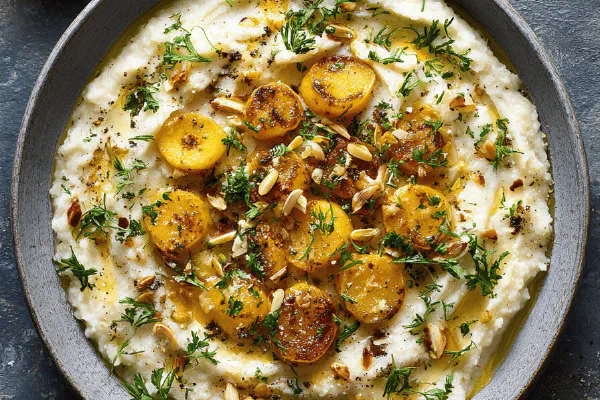
Clapshot Twist
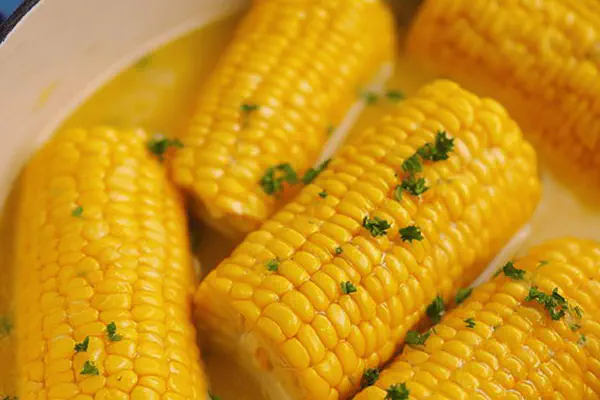
Boiled Corn On Cob
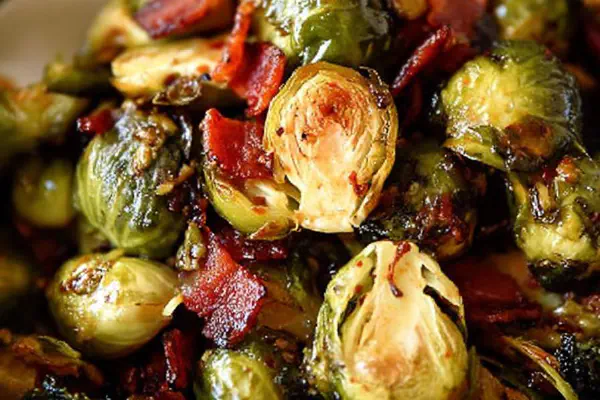
Roasted Brussels Sprouts Bacon Dressing
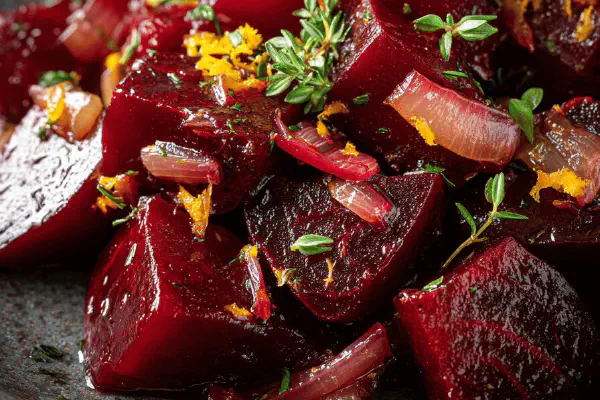
Orange Beet Cubes Twist
Crispy Air Fryer Fries

Sausage Herb Stuffing
Orzo Salad Goat Cheese
Broccolini Red Wine Vinegar
Green Veggies Red Wine Sauté
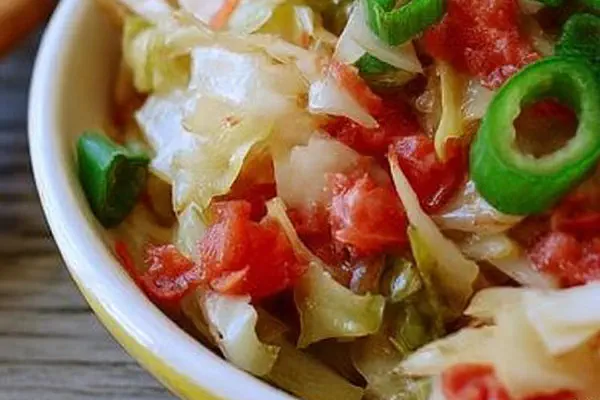
Cabbage Creole Twist
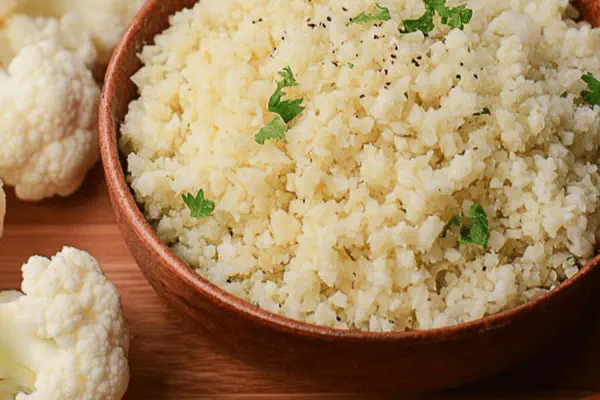
Quick Riced Cauliflower
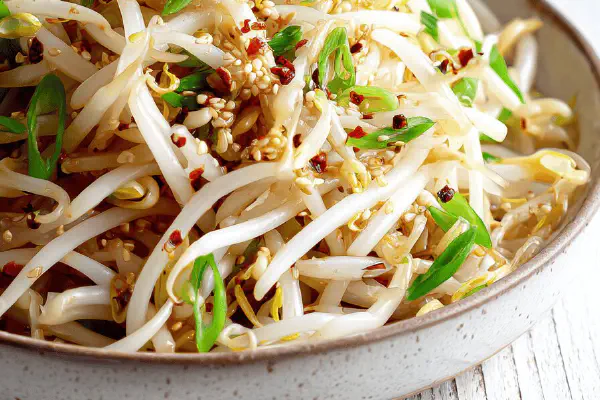
Quick Marinated Sprouts

Smoky Sweet Corn Rub
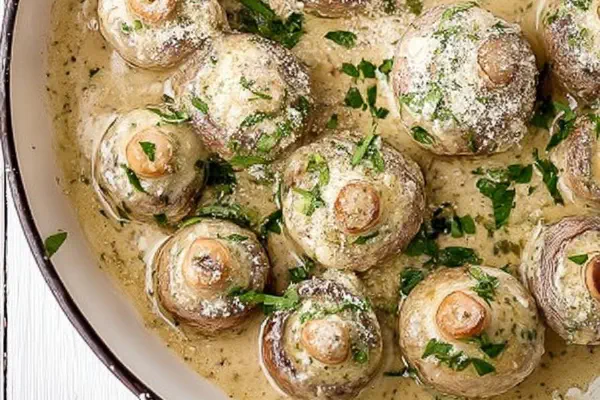
Garlic Parmesan Mushrooms Remix
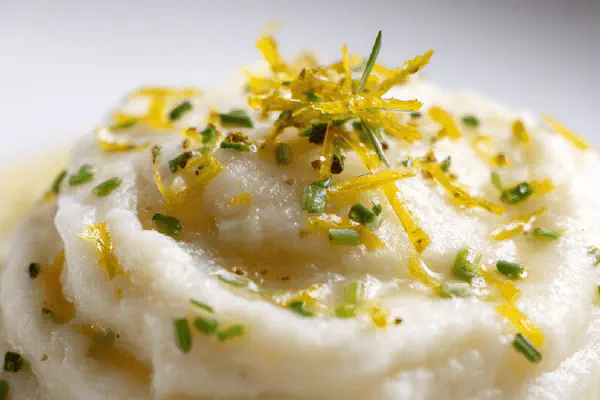
Celery Root Purée Twist
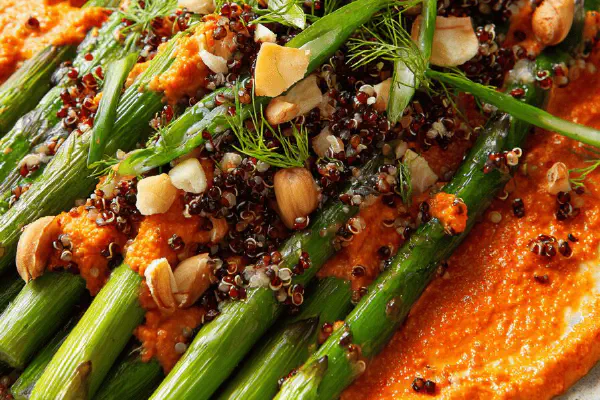
Asparagus Romesco Twist
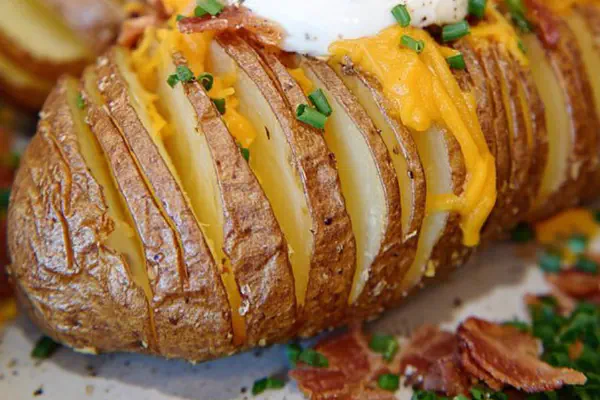
Garlic-Dijon Hasselback Potatoes
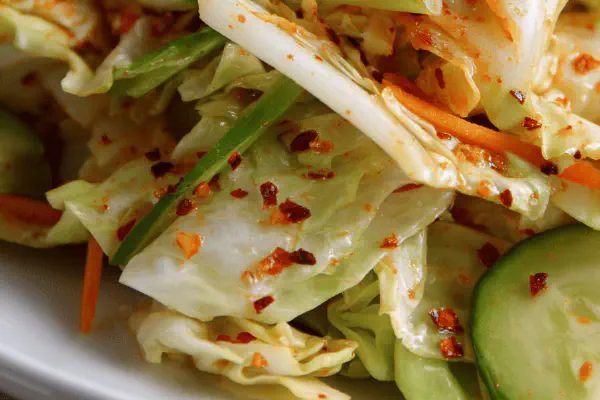
Quick Pickled Kimchi Salad
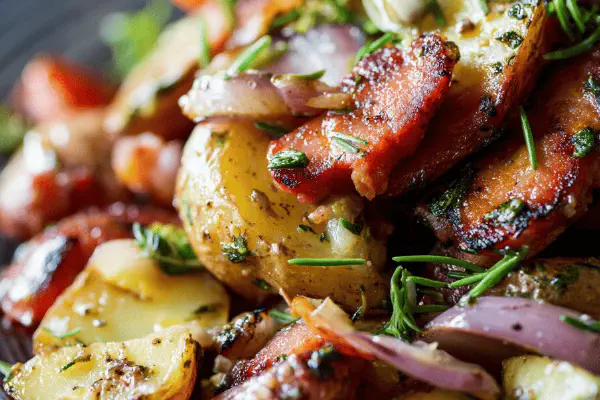
Rustic Potato Bacon Salad
About the ingredients
Baby carrots vary wildly; smaller ones cook quick, big ones need a bit longer but overcooking turns them mealy. If fresh thyme unavailable, dried won’t do – fresh herbs are where the brightness hides. Ricotta should be full fat for creaminess; replacements like Greek yogurt work but change texture and tang, so adjust lemon juice accordingly to keep balance. Olive oil is your friend here—don’t use a cheap one; peppery, grassy gives layers of flavor in the roast. Keep salt coarse for that crunch at the finish, flaky sea salt works best. Lemon zest added last to keep its essential oils fresh and punchy. Toss carrots gently but thoroughly to coat olive oil evenly for even roasting.
Method
- Heat oven to 360F for slightly faster and deeper roast. Toss carrots with olive oil, salt, and pepper. Arrange single layer on rimmed sheet, no crowding to avoid steaming.
- Roast 27-30 minutes, shaking pan or flipping halfway. Look for caramelized edges and softness when pierced with fork – should slide in without resistance but not mushy.
- While carrots roast, whisk ricotta with lemon juice and thyme until creamy and bright. Chill to let flavors marry, keeps cool against warm veggies.
- Pile warm carrots on serving dish. Spoon dollops of ricotta mixture unevenly, rustic style. Zest lemon over all for fragrant citrus pops.
- Finish with drizzle of olive oil, fresh cracked pepper, and flaky salt if desired to add crunch and snap to earthiness.
- Note carrot size variance – thicker roots need more time, thinner less. Fork test trumps timer. Keep some reserved oil if carrots dry out.
- If ricotta unavailable, swap with Greek yogurt or labneh, same tangy creaminess. Thyme can be subbed with oregano or rosemary chopped fine for herbal twist.
Cooking tips
Preheat oven hotter than usual to 360F for proper roasting without steaming—high enough for caramelization but watch closely so the carrots don’t dry out. Spread carrots in one layer; stacking causes steaming and dulls texture. Mid-cook shake or flip for even browning. Fork test is your best doneness judge: tender but not mushy. Mixing ricotta with lemon juice and thyme while carrots roast saves time, and chilling lets flavors meld while veggies warm your platter. Dollop sparingly; too much ricotta overwhelms the carrots’ caramelized sweetness. Add lemon zest and flaky salt at the end for aroma and texture contrast. If you spot soft spots in carrots pre-roast, trim or remove—they don’t roast uniformly. Keep extra olive oil nearby for last drizzle to add gloss and flavor.
Chef's notes
- 💡 Heat oven higher than normal for better caramelization but don’t rush. Watch carrots for rough edges, not clock time. Thicker carrots take longer; fork test beats minutes. Shake pan mid-roast to spread heat evenly, avoid steaming. Olive oil coats every carrot to promote crisp browning; skip cheap oil, flavor suffers. Trim carrot tops to avoid burnt bits on tray edges, bad bitter notes. Toss oil and seasoning thoroughly, but don’t bruise carrots. Coarse salt works better at finish for crunch.
- 💡 Ricotta mix can be chilled ahead to balance warm veggies. Lemon juice brightens but use sparingly or it overpowers. Fresh thyme best, dried feels flat and clumpy. Substitute with oregano or fresh rosemary for different herbal layers. If no ricotta, Greek yogurt or labneh work but change texture and tang — more acid needed to keep zing. Dollop ricotta unevenly, rustic style, so cream melts with carrot heat but doesn’t drown natural sweetness.
- 💡 Carrot size matters — small cooks faster, large needs extra time but watch for mealy texture if overdone. Trim soft or spotty carrots pre-roast to avoid uneven cooking. Spread carrots in one layer—no crowding or stacking—to prevent steaming and mushiness. Flipping or shaking pan preserves caramelization on all sides. Save some oil in case carrots dry fast to drizzle later for gloss and flavor boost.
- 💡 Add lemon zest at end for fresh citrus oils, or it dissipates early. Flaky sea salt sprinkled just before serving adds texture and salty crunch, countering sweet roasted notes. Pepper cracked fresh after roasting sharpens aroma and layers complexity. Mixing ricotta while carrots cook saves time and lets flavors marry. Don’t overdo ricotta dollops—too much hides carrot’s earthiness. Adjust salt and pepper to taste after cooking — seasoning softens once heated.
- 💡 Fork test is best doneness guide, not timer. Should slide in with gentle resistance, not mushy or hard. Look and smell, too—caramel edges brown and smell nutty but not burnt. Listen for quiet roasting without steam sizzle. If carrots shrivel, add oil drizzle before finishing. Keep carrots warm but not steamed after roast to keep texture. Trimmed tops prevent bitter burnt flavor on tray rims. Never skip tossing carrots early to coat evenly in oil for caramelization success.
Common questions
How to tell when carrots are done?
Fork test. Slide fork gently. Not mushy, some resistance. Look for caramel edges browning. Smell nutty aroma. Avoid steam sounds. Visual and tactile cues matter more than timer. Thickness affects timing.
What if I don’t have ricotta?
Greek yogurt or labneh can replace but textures shift. Lemon juice amount might need tweaking. Oregano or rosemary can swap thyme. Keep chill time for mix though. Flavor punch changes but stays creamy and tangy.
Carrots dry out while roasting, fix?
Drizzle saved olive oil mid or after roast. Toss gently but thoroughly early on to coat. Don’t crowd pan or stack carrots, keeps moisture inside. Adjust oven rack lower or watch closely to avoid overbaking. Flip pan halfway for even moisture retention.
How to store leftovers?
Keep carrots and ricotta mix separate if possible. Refrigerate in airtight containers. Use within 2 days. Reheat carrots gently, avoid overheating or drying. Ricotta best served chilled or room temp. Can mix fresh lemon juice before serving again to revive flavors.
You’ll Love These Too
Explore all →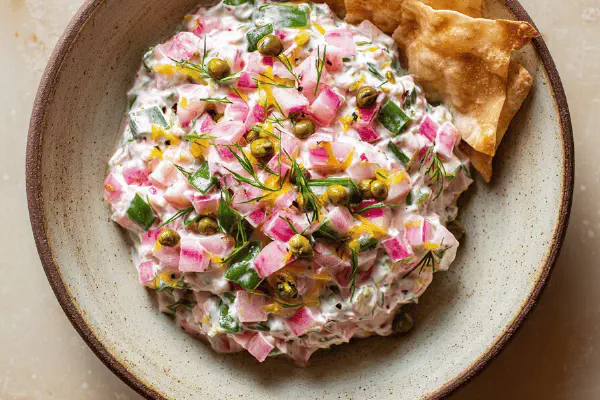
Twisted Yogurt Tartare
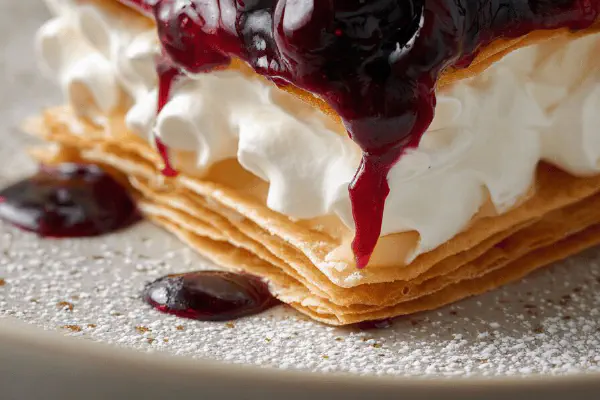
Maple Blueberry Pavlova
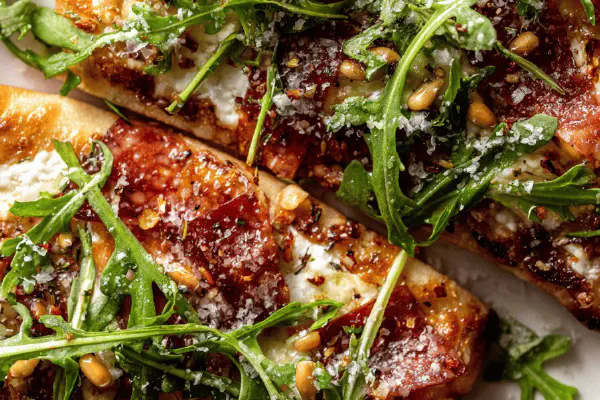
Neapolitan Pine Nut Pizzas
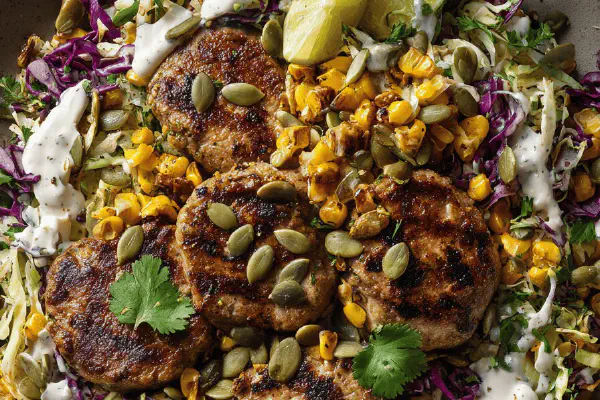
Grilled Corn Slaw Pork Medallions
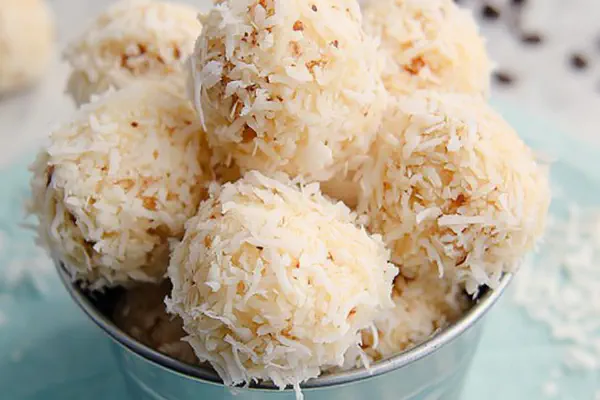
Coconut Pecan Balls
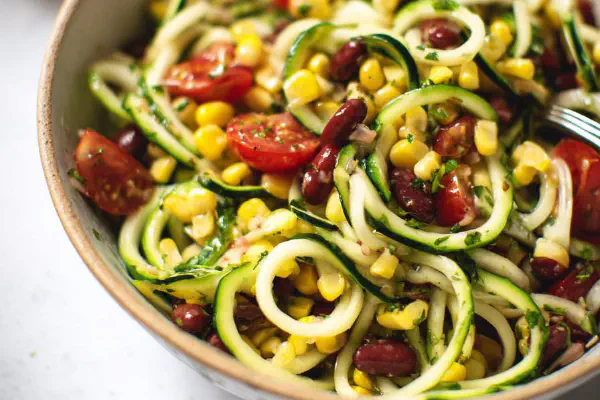
Zucchini Corn Salad Remix
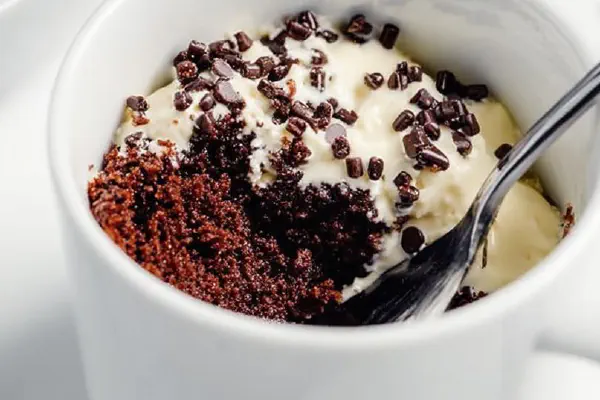
Microwave Chocolate Mug Cake
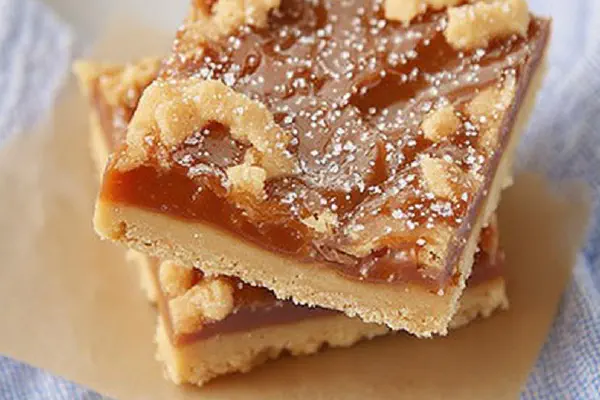
Salted Dulce Bars

Sauteed Spinach Sausage Pasta
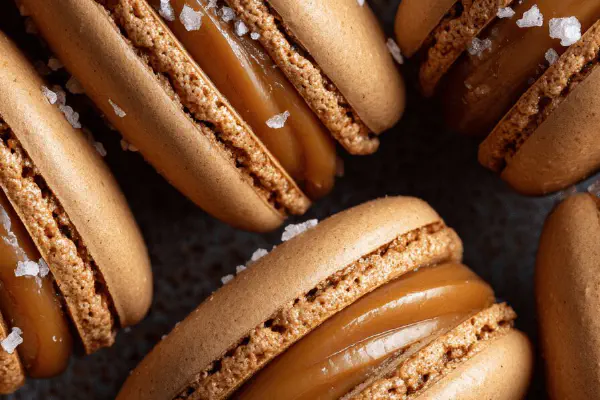
Coffee Caramel Macarons
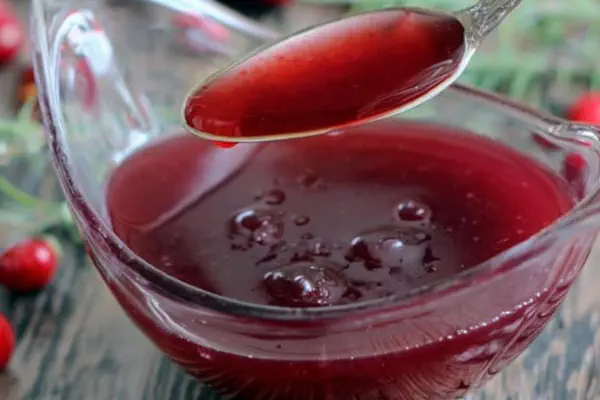
Ruby Red Cranberry Syrup
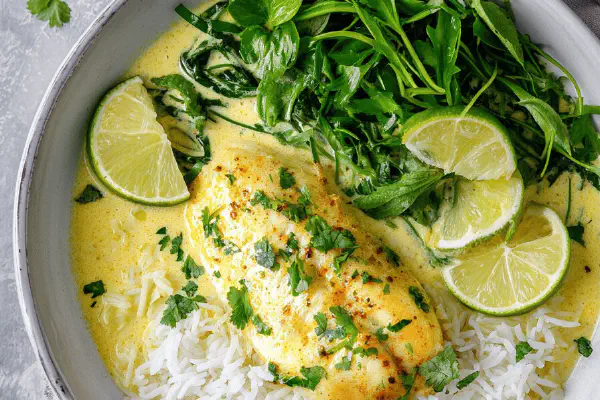
Pangasius Coconut Lime
Spinach Pine Nut Chicken Rolls
Zesty Shortbread Bars
Crispy Beer-Battered Chicken
Tomato Bacon Pasta
Sloppy Joe Garlic Bread
Maple Cocktail Sausage Fingers
Twisted Chocolate Cake
Slow Braised Pork Chops