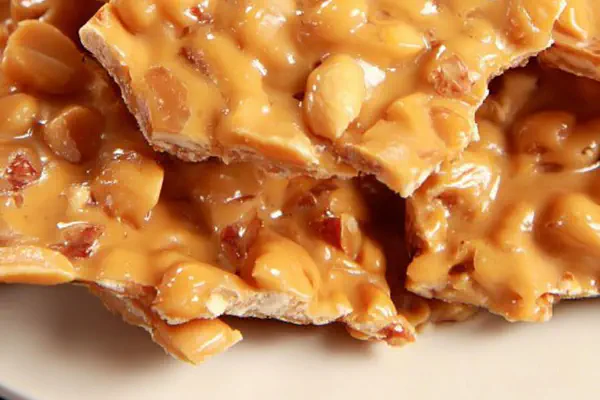
Microwave Peanut Brittle Twist
E
By Emma
Certified Culinary Professional
•
Recipe tested & approved
Quick microwave method using sugar, corn syrup, and peanuts transformed into brittle. Butter replaced with coconut oil for nuttier depth. Slightly longer caramelization for richer color. Stages tracked visually—bubbling sugar, dark caramel hues, foaming with baking soda—crucial for texture. Pan lined with foil, nonstick spray essential to flip brittle easily after cooling. Peanuts toasted ahead to boost crunch and aroma. Alternative nut suggestions included. Caution on stirring intensity to retain brittle’s signature honeycomb texture. Cooling step emphasized. Store airtight to avoid moisture absorption and sogginess.
Prep:
6 min
Cook:
10 min
Total:
16 min
Servings:
12 servings
#candy
#microwave recipes
#snacks
#peanuts
#caramel
Microwave caramel candy—fast, no thermometer needed but knowing sugar stages vital. I learned the hard way—undercooked brittle is chewy and overcooked is bitter, waste of nuts and sugar. Peanuts toasted bring depth and smell fills kitchen heady with roasting nuts and melting sugar—signs good brittle forming. Coconut oil swap gives subtle coconut flavor, lighter fat cap without losing texture, unlike butter which can burn easily. Adding baking soda is magic—trap air in bubbles, brittle lightens, snaps perfectly. Spread quickly or it sets lumpy. Sticking to foil requires diligence with nonstick spray; skipping this is a trap worth learning from. I like to snack on fresh brittle cold, but it keeps well—don’t neglect airtight storage or it wilts. Flavor twists? Toasted almonds or cashews work, but nuts affect cooking times and texture so test small batch first.
Ingredients
- 1 cup granulated sugar
- 1/2 cup light corn syrup
- 1 cup raw peanuts, toasted
- 3 tablespoons coconut oil (swap for butter)
- 1 teaspoon vanilla extract
- 1/2 teaspoon baking soda
- Nonstick cooking spray
- Aluminum foil to line pan
In The Same Category · Snacks
Explore all →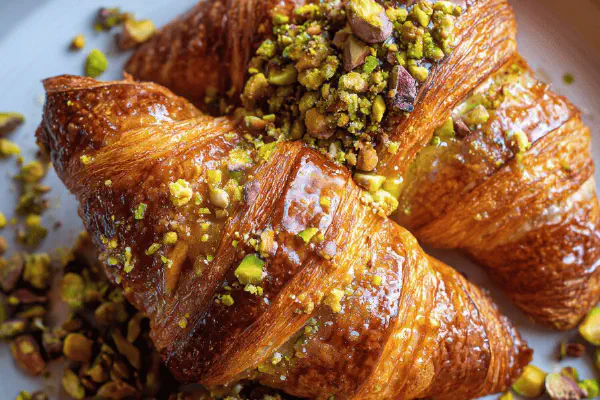
Pistachio Maple Croissants
Crunchy Beef Walking Taco
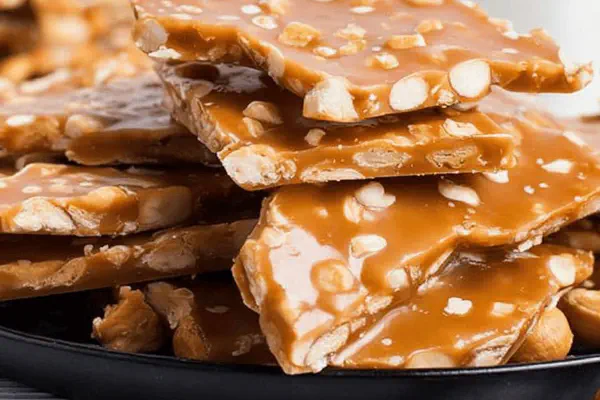
Cashew Crunch Brittle
Spiced Pumpkin Chex Mix
Stuffed Pocket Pizzas
Baked Chicken Taquitos Twist
Cinnamon Sugar Pretzels

Pepperoni Stromboli Twist
Giant Bob’s Pretzels
Caramelized Peppers Pancetta
Sweet Potato Sliders Guacamole
Grapefruit White Chocolate Scones
Italian Fried Dough Zeppole
Spicy Antipasto Mix
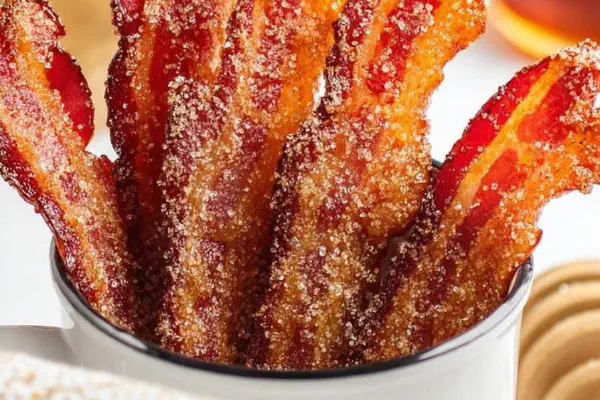
Sugar Pepper Bacon Blast
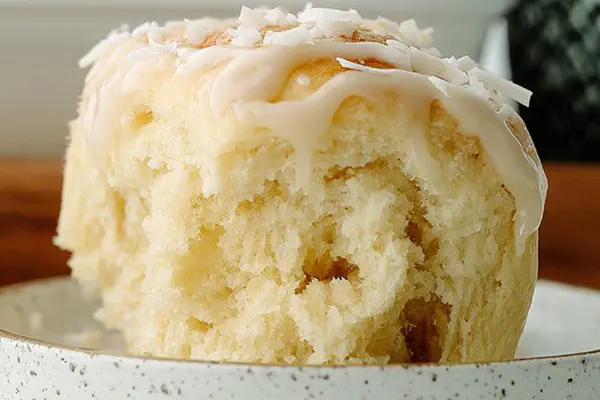
Samoan Sweet Coconut Rolls
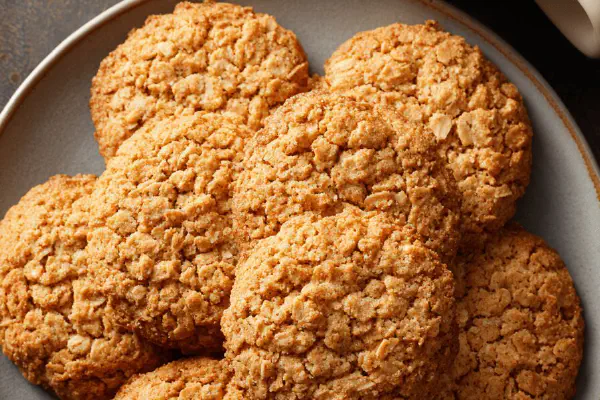
Crunchy Oat Biscuits
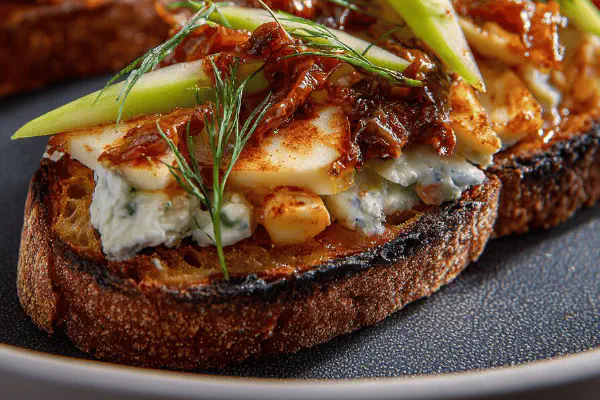
Cheesy Toasted Welsh
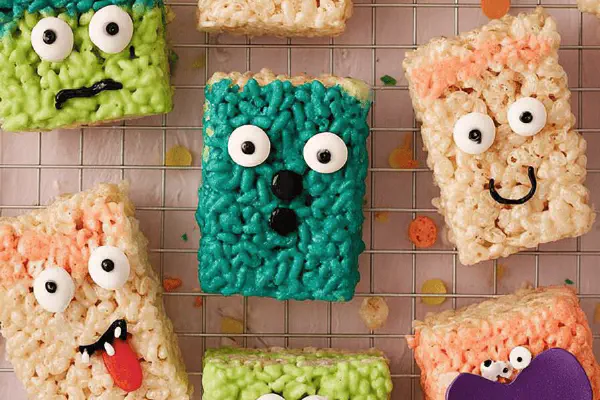
Monster Rice Treats
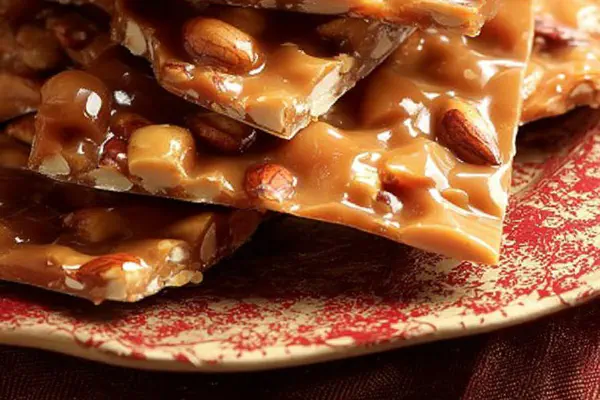
Nutty Caramel Crunch
About the ingredients
Sugar and corn syrup mix creates that chewy foundation which caramelizes. Light corn syrup preferred for pale color; darker syrups give strong molasses tone if desired. Toast nuts dry on pan until light amber and nutty aroma emerges—skip this, and nuts taste flat under sugar. Butter replaced with coconut oil for smoother melting and faint tropical undertone; butter often causes early burn in microwave. Vanilla always after cooking—heat degrades. Baking soda addition critical for honeycomb texture, not a filler. Nonstick spray on foil mandatory to avoid brittle disaster—foil alone sticks like tar. Safe microwave glass bowl recommended—metal will spark, plastic might warp or melt under sugar heat. Ingredient amounts adjusted modestly so brittle sets firm but not rock-hard, easier to chew but long shelf life.
Method
Prep Pan
- Line a large baking sheet with aluminum foil. Spray foil thoroughly with nonstick spray—go heavy here or brittle sticks like a nightmare. Set aside.
Combine Sugar Base
- In a large microwave-safe glass bowl, stir together sugar and corn syrup evenly. Crowded bowl means bad swirl later—mix well.
First Microwave Phase
- Microwave mixture on high about 4-4.5 minutes. Watch closely. Sugar will bubble aggressively. No sugar stones should linger. Bubbling means near melting point—start smells caramelizing. Remove carefully.
Add Nuts and Fat
- Quickly add toasted peanuts and coconut oil. Toast nuts beforehand on dry skillet till fragrant, a golden tan, adds crunch and deeper aroma. Coconut oil swaps butter for lighter yet tropical twist. Stir promptly with heatproof spatula to mix; keep spatula sprayed or sticky mess.
Second Microwave Phase
- Return bowl to microwave for 3 to 5.5 minutes. Watch caramel deepening to amber-dark color between 300-310°F range—the hard crack stage. If no thermometer, look for thick liquid pulling away from sides and darkening. Smell shifts from sweet sugar to nutty burnt sugar. Overcook = bitter; undercook = chewy brittle.
Add Flavor and Aerate
- Remove from microwave. Stir in vanilla extract then baking soda. Mixture will foam and bubble rapidly. Stir JUST enough to blend soda but don't lose those bubbles—the airy texture, the classic brittle crunch, depends on this foam. Over stirring kills texture and flattens brittle.
Spread and Cool
- Immediately pour the foamy mix onto prepared foil pan. Use silicone spatula sprayed with nonstick spray to spread quickly and evenly. Thick spots cool hard too fast, causing uneven cracks. Let cool COMPLETELY, no touching—hard and brittle to the touch. Then break into bite chunks.
Storage Tips
- Store in airtight container. Brittle absorbs moisture fast, gets sticky. If stuck, toss with fresh rice grains in container overnight—they absorb humidity and restore crunch.
Cooking tips
Start prep with enough foil and good spray—skip either and brittle = disaster. Mix sugar and corn syrup well to avoid grainy bits. Watch microwave carefully during first and second phases; timing varies with wattage. Bubbling sugar signals melting but stay observant for color change—caramel darkens fast. Adding nuts and oil after first cook avoids burning nuts which microwave struggles with when raw. Stirring quickly but carefully needed to combine sticky hot mixture without burning yourself—sprayed spatula helps. Second microwave phase length varies; rely on thickened, amber caramel color and smell. Adding vanilla and baking soda off-heat creates chemical reaction for foam; stir minimally to keep this airy. Spread quickly before cooling sets caramel solid—impatience causes rough brittle with uneven texture. Fully cooled brittle snaps cleanly, is easy to break. Store in airtight container away from humidity or brittle softens; use desiccants if available. Practice recognition of stages over timer, microwave heat varies a lot.
Chef's notes
- 💡 Watch sugar bubbling phase closely. Starts aggressive bubbles means melting. No sugar grains. Smell shifts caramelize. Remove from microwave fast. Overcook = bitter taste, undercook = chewy brittle. Timing varies by microwave power.
- 💡 Toast nuts dry on skillet till golden tan. Adds crunch and aroma. Raw nuts cook unevenly inside candy. Substitute almonds or cashews but note cooking time shifts. Adjust carefully or texture off.
- 💡 Use coconut oil instead of butter. Butter burns easily in microwave, coconut oil melts smooth with faint tropical hint. Stir nuts and oil promptly right after first cook. Spatula coated in spray avoids sticky mess.
- 💡 Add vanilla and baking soda after removing from heat. Soda aerates mixture causing foam. Stir minimally just to mix or you lose airy texture. Over stirring collapses bubbles, brittle becomes dense, loses snap.
- 💡 Line pan with foil and spray heavily with nonstick spray. Skip this and brittle sticks hard like glue. Spread mix quickly and evenly using sprayed silicone spatula. Thick spots get hard fast causing uneven cracks.
Common questions
How do I know when sugar is ready?
Watch bubbles, aggressive means close. No sugar crystals floating. Smell changes caramel-like. Color deepens amber. Timing not exact microwave varies.
Can I use other nuts?
Yes almonds, cashews work too. But nuts change cooking times, texture. Toast nuts dry first always. Nuts raw can burn or stay raw in candy.
Brittle too soft or sticky?
Usually undercooked or moisture absorbed. Cook longer next time but careful not burn. Store airtight, toss rice grains in container if stuck overnight.
How to store brittle best?
Airtight container mandatory. Keep away from humidity or candy softens. Rice or desiccants help absorb moisture. Don’t cover until fully cooled or condensation forms.
You’ll Love These Too
Explore all →
Caramelized Banana Foil
Spiced Pumpkin Deviled Eggs
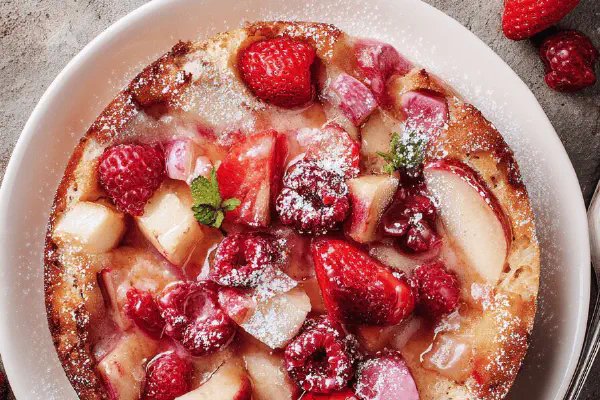
Four Fruit Pudding
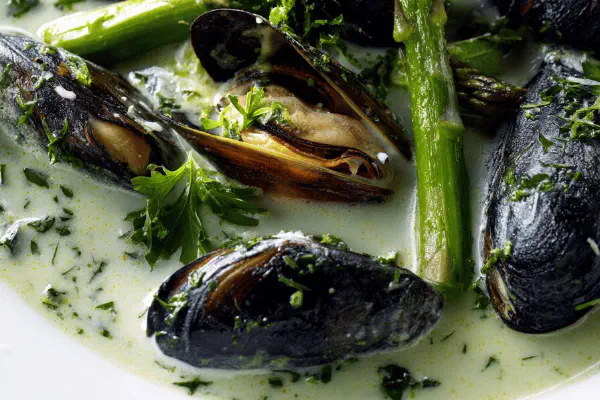
Creamy Asparagus Mussel Soup
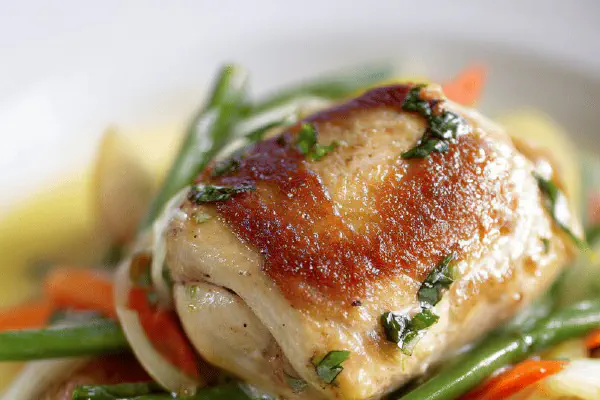
Chicken Roulades Autumn Veg

Apple Poke Cake Remix

Zesty Pineapple Salsa Remix
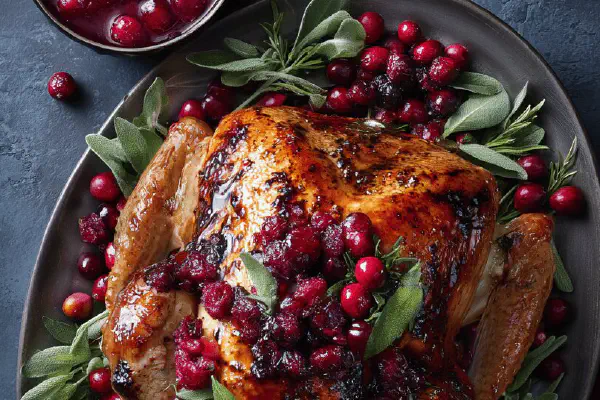
Turkey Roast cranberry port
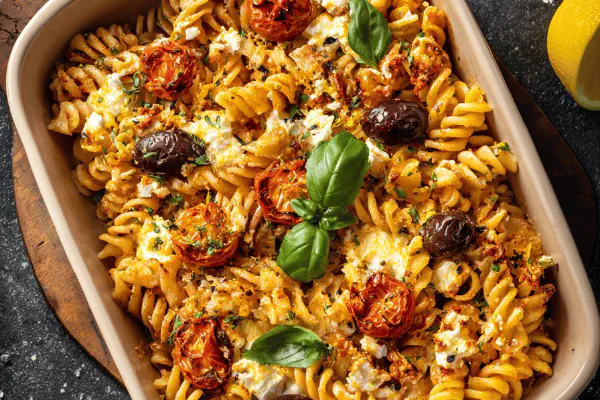
Feta Tomato Fusilli Bake
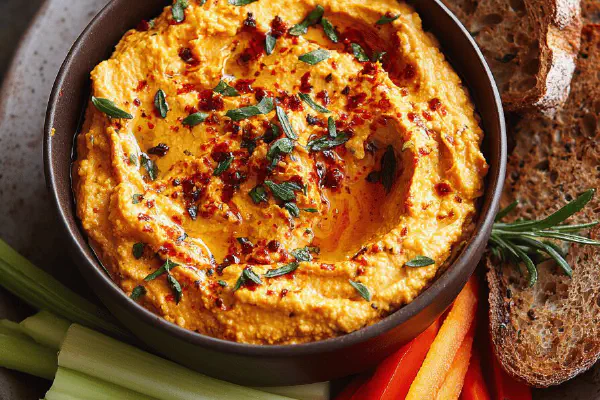
Charred Red Pepper Dip
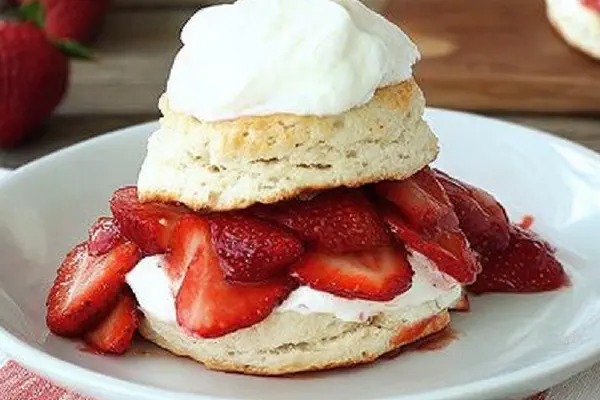
Cheese Biscuits Strawberry Shortcakes
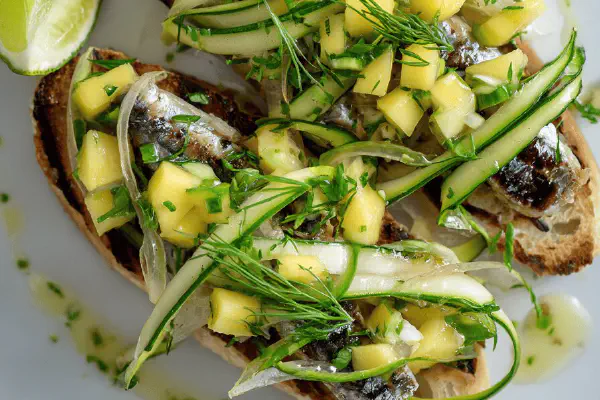
Grilled Sardine Toasts Twist
Mint Mojitos Twist
Sheet Pan Pork Chops
Buttermilk Biscuits Easy
Twisted Sausage Balls
Whiskey Maple Cake
Whole Wheat Spinach Mac Bites
Salmon Miso Papillotes
Lychee Lime Granita Twist