Grilled Skirt Steak Chimichurri

E
By Emma
Certified Culinary Professional
•
Recipe tested & approved
Skirt steak seared on medium-high grill then rested before slicing. Kosher salt and fresh cracked black pepper for seasoning. Chimichurri sauce brings brightness and herbaceous punch. Indirect heat keeps steak juicy, avoids flare-ups. Resting important to keep juices in. Slice against grain for tender bites. Substitute flank steak or hanger if skirt unavailable. Use red wine vinegar instead of white for twist; adds deeper tang. Watch sizzling sounds to judge doneness; steak should feel springy but firm. Oil grates well to stop sticking. Don’t rush the rest; juices settle during resting. Simple, rustic, hands-on approach learned after many charred edges and dry bites.
Prep:
12 min
Cook:
17 min
Total:
29 min
Servings:
4 servings
#Argentinian
#grilling
#steak
#chimichurri
#quick meals
Before You Start
Start whipping out skirt steak prepped good with salt. The sizzle when steak hits the oiled grill sparks my attention every time; leathery outside, juicy inside—no guesswork if paying attention. Chimichurri sauce, no complicated prep, just room temp, herbaceous punch, tang with garlic that bites a bit. Tried numerous cuts, but skirt nails savory with quick cook time. Direct fire makes edges black in seconds; indirect heat saves you from dry disasters. Dead simple but details matter—pat it dry or no crust, massage in salt for seasoning deep in fibers, rest before slicing or face dry chew and lost juice. Easy twist: swap chimichurri for salsa verde’s zingy brightness with lime, gives new spin. Skirt steak proud and forgiving with intuition, not timers. Felt the difference when switched to olive oil for grilling, better control of stick and flavor. Watch the steak’s surface closely—when it bubbles tight, you’re close. Cut against grain for melt in mouth texture. Rest at least 7 minutes or end up with sloppy plate and dried meat.
Ingredients
- 1 1/2 pounds skirt steak trimmed and patted dry
- Kosher salt for massaging
- Freshly ground black pepper generously
- 2 tablespoons olive oil for grill and finishing
1/2 cup chimichurri sauce at room temperature === substitution: 1/2 cup salsa verde with fresh herbs and lime juice for twist
In The Same Category · Main Dishes
Explore all →
Grilled Corn Slaw Pork Medallions
Hearty Beef Tips Stew
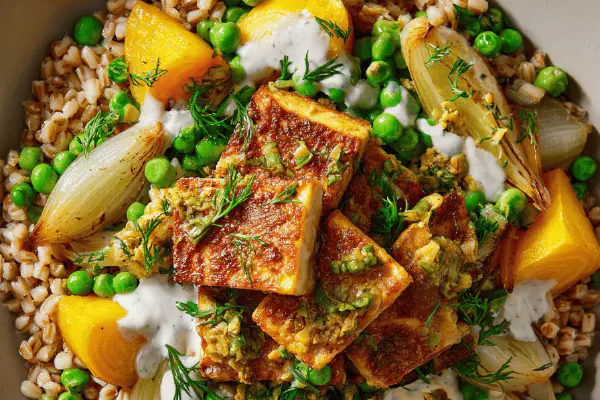
Tofu Barley Veg Bowls
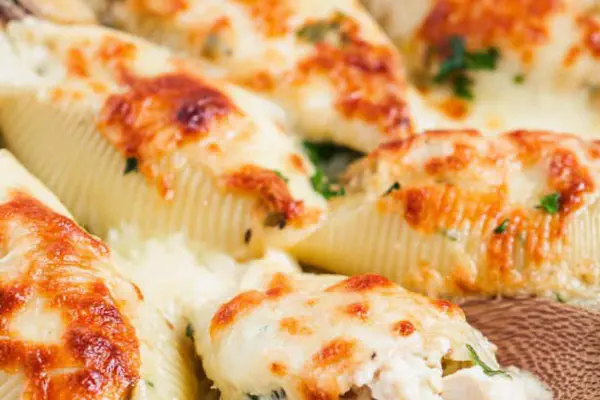
Chicken Stuffed Shells Twist
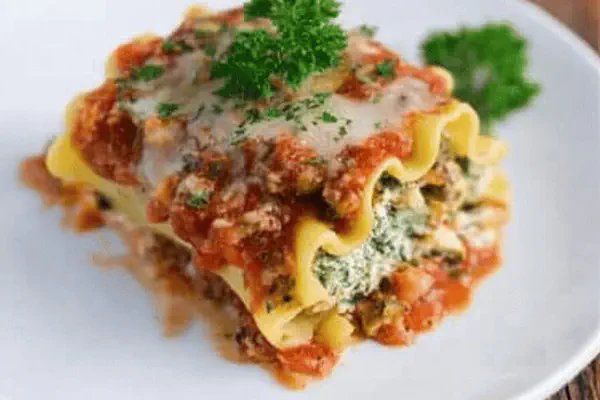
Veggie Lasagna Roll-ups
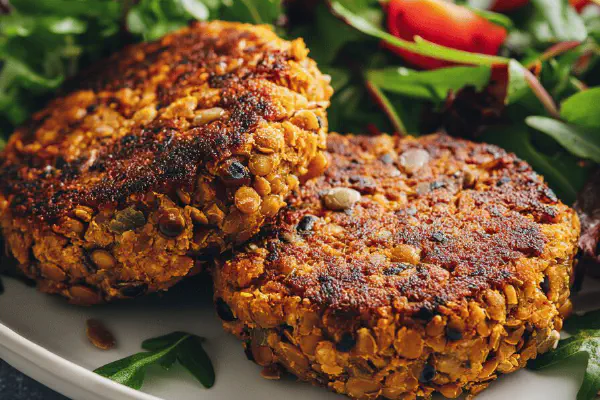
Oat Sunflower Burgers
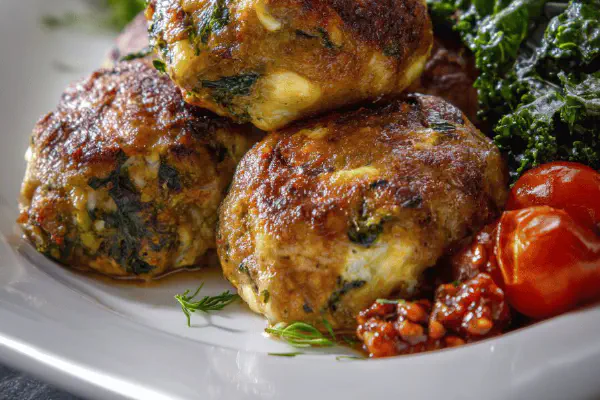
Giant Meat and Broccoli Balls
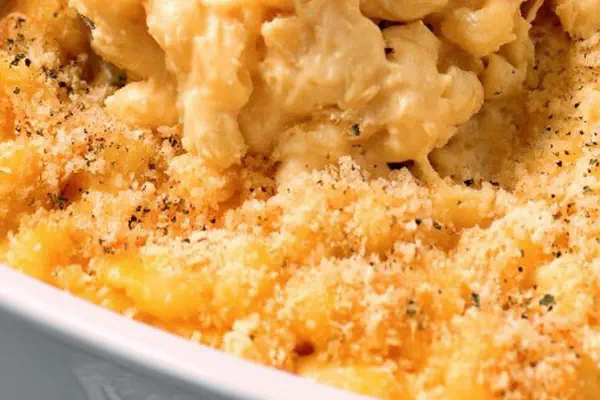
Million Dollar Mac Cheese

Turkey Pineapple Roast
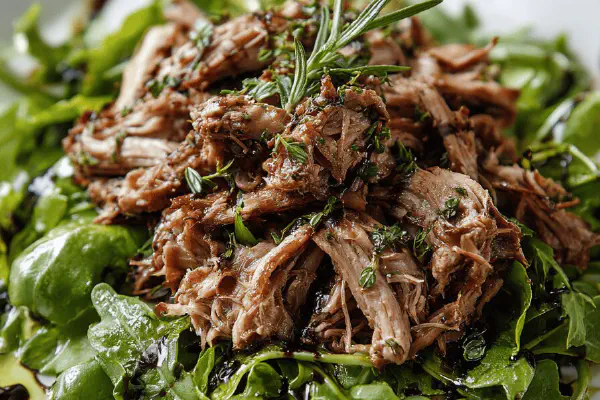
Slow Pork Confit
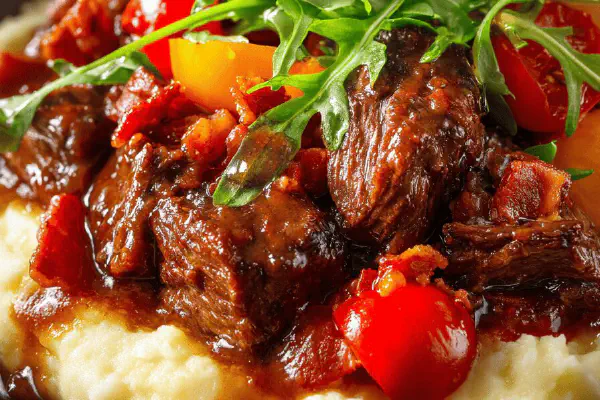
Braised Beef with Peppers and Cherry Tomatoes
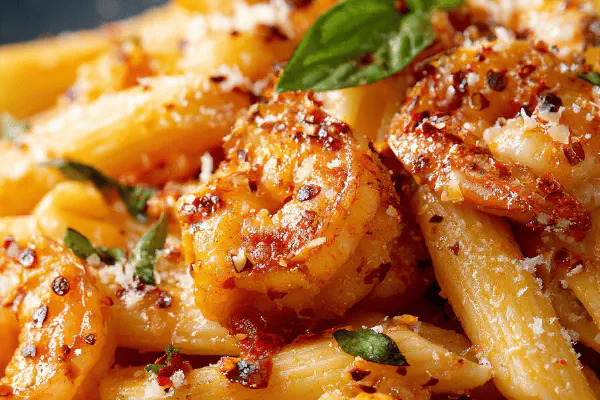
Shrimp Spicy Penne Twist
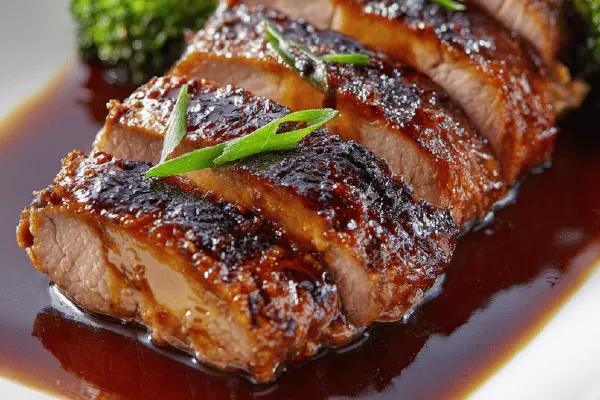
Tamarind Pork Tenderloin Twist
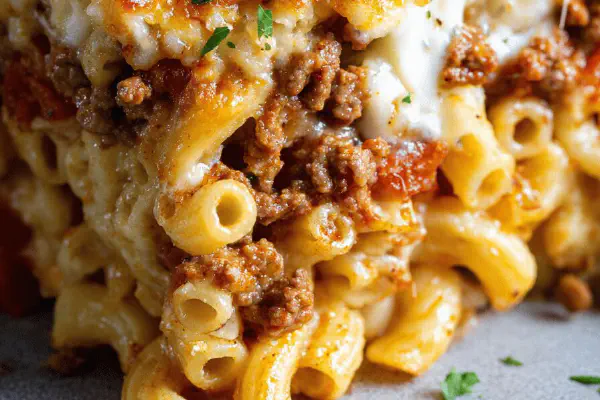
Twisted Pastitsio Bake
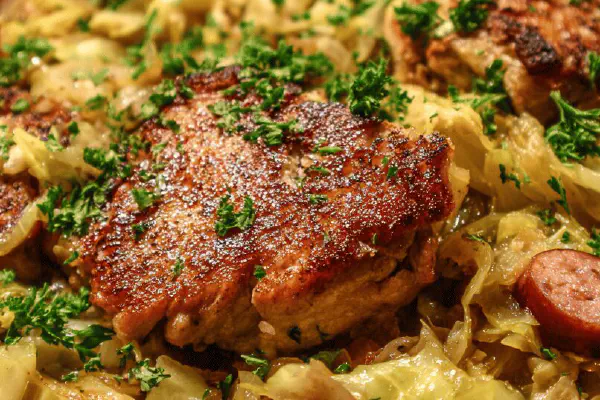
Braised Pork Beer Cabbage
Butter-Basted Slow Cooker Turkey
Turkey Cannellini Stuffed Peppers
Rabbit with Pancetta and Mushrooms
Grilled Celery and Marinated Flank

Rustic Chuck Burgers Reworked
About the ingredients
Dry steak fully before anything. Moisture is enemy of crust. Kosher salt recommended as it penetrates deeper and less salty bite than table salt. Black pepper freshly cracked—not ground powder—to maximize aroma. Oil the grill grates with actual oil on paper towel, held with tongs; avoids flare-ups and sticking better than brush. Chimichurri should be at room temp; cold sauce chills steak and masks flavors. If skirt steak isn’t available, flank or hanger steak work well but timing tweaks needed due to thickness differences. Sometimes add splash of red wine vinegar instead of white vinegar in chimichurri for richer, more complex acid note. For no grill, cast iron skillet hot as heck option. When it comes to salt amount, lean towards heavier than you think—you can always adjust chimichurri amount to balance saltiness. Keep chimichurri chunky not pureed for texture contrast. Resting uncovered makes crust stay crispy; foil helps retain warmth but tent loosely so steam doesn’t soften crust.
Method
- Pat steak with paper towels until visibly dry; prevents steaming, helps crust form.
- Massage salt thoroughly into meat surface; don't be shy. Freshly cracked black pepper next; coarser grind preferred.
- Heat grill grates while oiling liberally—use tongs plus folded paper towel soaked in oil. Avoid flare-ups, sticking tragedy.
- Place skirt steak over indirect heat. You want medium-high but no direct flame contact to avoid burning edges and raw centers.
- Cook about 4 minutes a side; listen for steady sizzle. Steak should start to brown evenly. Press with finger, springy but firm is medium rare. Adjust time by feel, not clock.
- Remove slab, rest uncovered but tented loosely with foil for 7 minutes. Critical step—juices redistribute or you'll lose everything once sliced.
- Slice thin, always against the grain. Across fibers means tenderness, effortlessness. Chop too soon or parallel and jaws get tired fast.
- Top each portion with room temperature chimichurri or salsa verde alternative; herbs pop, acid cuts through fat. Serve immediately.
- If grill unavailable try cast iron skillet, very hot and oil well. Flip twice max. Rest same.
- Skipped resting? You'll see juice pooling on plate—waste and less flavor intensity.
- Over peppered? Balances if you add a dab of avocado or drizzle mild oil on top after plating.
Cooking tips
Start by drying steak well; water on surface steams meat, no good crust. Salt fully massaged; some skip but seasoning boosts flavor deep inside fibers. Pepper applied last prevents burning. Heat grill medium-high, not full blast, you want smoke and crust, no burned edges. Oil grates thoroughly or meat sticks, tears. Cook steak on indirect heat; direct flames ruin edges quickly. Watch for sizzle changes—too loud means too hot, burn risk. Press steak with finger to gauge doneness: soft and mushy raw; springy but firm medium-rare. Flip once; more flips lose juice. Rest steak about 7 minutes; crucial for juicy slices. Slice against grain to break muscle fibers, tender bites. Chimichurri at room temp prevents chilling steak and keeps flavors vibrant. Serve immediately after saucing or herbs wilt and colors dull. Don’t worry about timing rigidity; feel texture and watch grill sounds. If flare-ups happen, move steak away quickly; control temperature to avoid burnt bits. If out of chimichurri, good olive oil and lemon with chopped parsley is lifeline quick sauce.
Chef's notes
- 💡 Dry steak thoroughly before seasoning; water steals crust. Salt massaged deep into fibers, not just surface. Skip fine table salt, kosher’s better for bite control. Black pepper cracked coarser, added last to avoid burning black spots. Oil grates well with paper towel and tongs, brush leaves sticky mess. Grill indirect heat; flames burn fast, edges char then raw centers. Watch sizzling sounds—steady sizzle, not roar. Finger press test wins over seconds on clock; springy firm means medium rare. Flip once only or juices leak out. Rest steak loosely tented seven minutes to hold juice, loose foil keeps crust crisp. Slice thin and always against grain, fibers snap for tender bites.
- 💡 If no grill, hot cast iron skillet works. Oil well, flip max twice. No direct flame means no flare-ups. Rest the same—don’t rush it or dry chew waiting. Switch chimichurri for salsa verde for zest with lime and herbs. Red wine vinegar swaps white for richer tang in sauce. Oil grill grates immediately before cooking; prevents sticking and grime. Press steak to check doneness; soft means raw, firm means done. Watch edges closely—burn risk if flames hit. Those popping bubbles on surface? Juices coming up, close to flip time. Always room temperature sauce—cold chills steak, dulls flavor layers. Chunky chimichurri keeps texture, puree kills contrast.
- 💡 Salt lean towards heavier side—you can balance acidity in chimichurri. Pat dry steak fully or no crust forms, can't skip. Pepper later stops burnt bitter notes. Oiling grates with paper towel soaked in olive oil works better than brush that flakes. Indirect heat saves steak from becoming dry disaster. Watch sizzling carefully; loud hissing means too hot, better move steak slightly. Resting uncovered keeps crust crispy; foil tent keeps steak warm but loose so steam escapes. Slice against grain breaks tough fibers; parallel slicing means chewing marathon. Flavor lifts from resting juices redistributing. Don’t forget, chimichurri at room temp; cold sauce clams the meat. Flip steak once to keep juices locked. Control flare-ups by moving steak quickly but keep it hot enough to crust.
- 💡 Use medium-high grill temp—not blazing fire. Direct contact burns fast; indirect cooks evenly. Oil grates every time; no oil means sticking and torn meat. Listen for sizzle changes—steady low crackle, not booming noise. When it bounces back but still gives slightly to touch, medium rare ready. Rest steak uncovered loosely tented 7 mins minimum; juices soak back in. Slice thin against grain; if you cut with fibers, meat strings out, tough chew ahead. Sauce choices matter; chimichurri herb-heavy punch with garlic or salsa verde for citrus brightness. Swap skirt with flank or hanger, tweak cook times accordingly. Cold sauce dulls flavor and chills steak. Seal edges from flare-ups by moving steak quickly and keep oil on grates ahead of time.
- 💡 Oil grill often; helps avoid flare-ups and sticking. No foil wrap on resting—loose tent only; steam kills crust. Don’t rush rest; juice settling time key to taste and texture. Watch grill sounds; pop and fizz steady means heat right. Avoid repeated flipping; one flip seals juices better. Cut across grain; fibers snap, chew less hard, bite tenderness. Substitute chimichurri with salsa verde for lime zing. Oven off or no grill? Cast iron hot as hell, oil well, flip twice max. Salt deep into fibers, not just rubbed surface. Pepper last for aroma but avoid burnt black spots. Rest at least seven minutes uncovered loosely tented for proper texture. Slice thin; thick pieces chew tough. Sauce at room temp; cold sauce clings cold to steak, dulls aroma.
Common questions
Can flank work instead of skirt?
Yes but cook times vary; flank thicker, needs more time. Rest still crucial. Slice thin against grain. Chimichurri still works. Watch for toughness.
What’s best way to judge doneness?
Feel first—press steak, springy-firm means medium rare. Listen to sizzling noise; steady crackle good, roar too hot. Check edges no black burnt bits.
How to avoid steak sticking to grill?
Oil grates with paper towel soaked in olive oil before grill heats up. Brush leaves flakes behind. Dry meat surface helps. Flip only once to keep integrity.
Can I store leftover steak?
Wrap tight in foil or airtight container. Refrigerate max two days. Reheat gently in skillet or oven; avoid microwave to keep texture. Rest again if reheated.
You’ll Love These Too
Explore all →
White Chocolate Cranberry Oatmeal Cookies
Apple Slab Pie Remix
Jam Thumbprint Cookies
Peanut Butter Chocolate Sundae
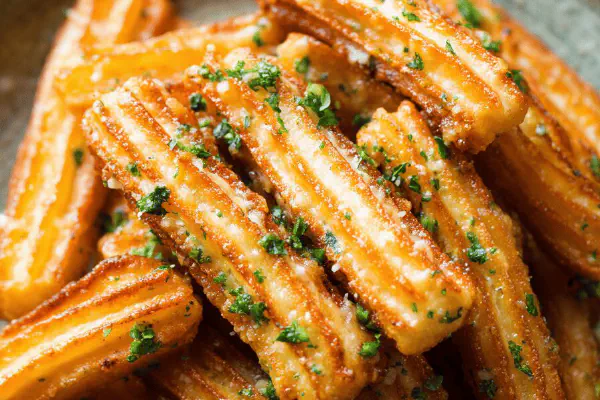
Cheesy Churros Twist
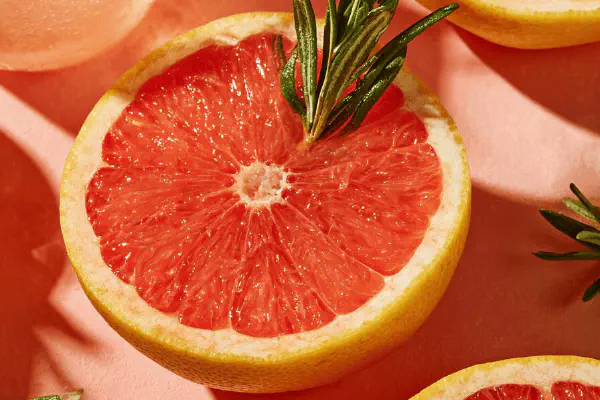
Grapefruit Rosemary Syrup
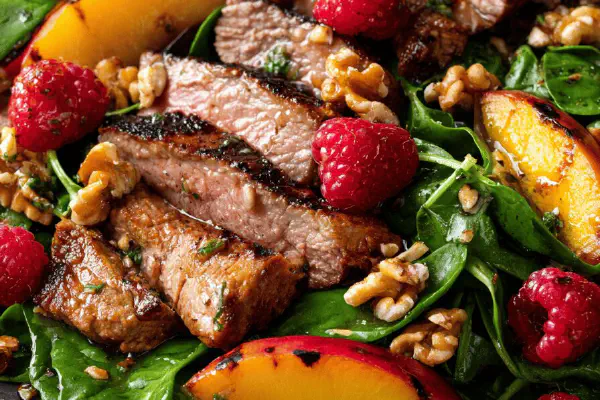
Marinated Pork Spinach Salad
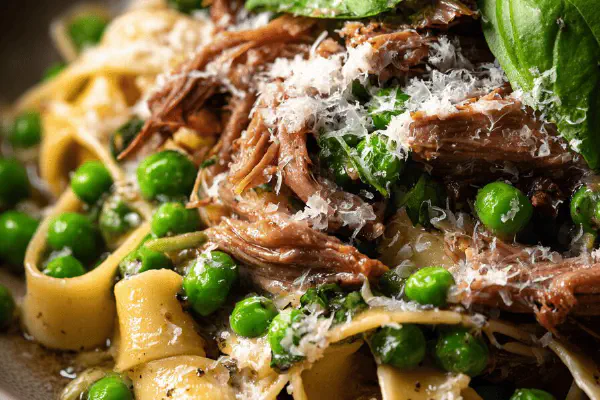
Tagliatelle with Pork Shanks
Tangy Milk Buns
Twisted Porcupine Balls
Pumpkin Magic Cake

Double Ginger Crunch Cookies
Spiced Quail and Pears
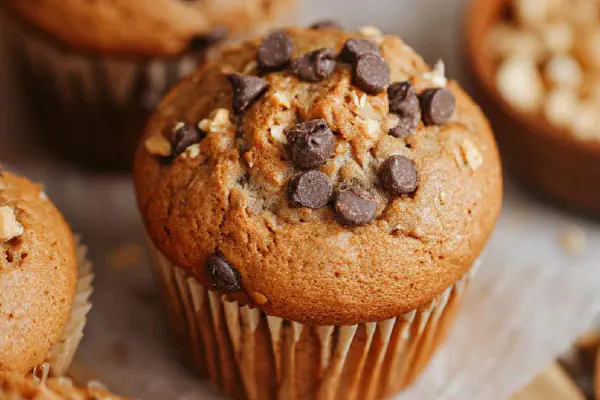
Peanut Butter Chocolate Chip Muffins
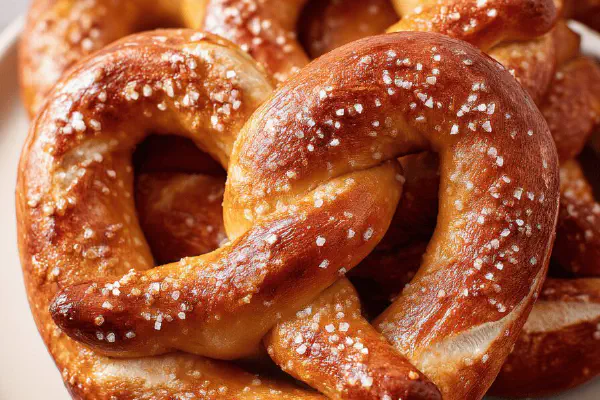
Giant Bob’s Pretzels

Instant Pot Shrimp Biryani

Modified Dark Ganache

Cauliflower Quick Pickles
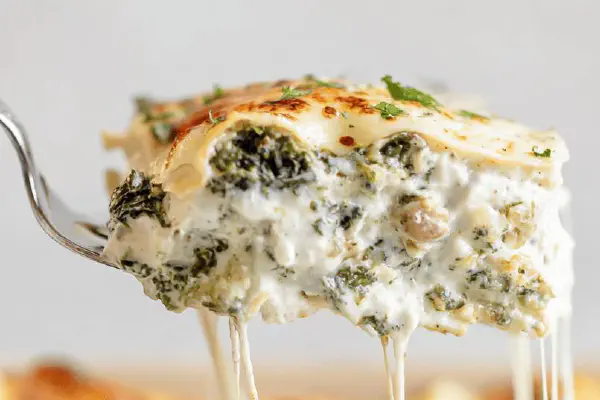
Spinach Mushroom Lasagna
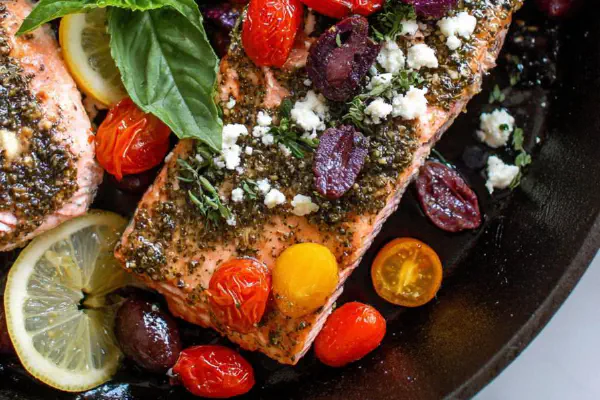
Zesty Mediterranean Salmon