Easy Beef Wellington
E
By Emma
Certified Culinary Professional
•
Recipe tested & approved
A classic beef Wellington with a mushroom duxelles rich with thyme and cream. Wrapped in prosciutto and puff pastry for that crisp golden crust. Tied tenderloin seared for caramelized crust, then baked to juicy medium rare. Egg wash adds that shiny final touch. Variations on mushrooms and mustard add depth. Resting after baking is crucial to keep it moist; slicing too soon causes dry slices. Timing adjusted for thick tenderloin pieces. Expert tips included for texture and flavor balance.
Prep:
35 min
Cook:
32 min
Total:
67 min
Servings:
10 servings
#British cuisine
#beef
#puff pastry
#mushrooms
#holiday roast
Before You Start
Jump right in. I learned the hard way on this classic; too wet mushrooms make soggy pastry prisons. Searing raw tenderloin gets that savory crust—don’t skimp or it turns rubbery. Prosciutto acts as salty barrier, stops mushroom juices soaking in. No cry over dry meat if you salt well and rest before slicing. Mustard adds a subtle zing underlayers—tried horseradish once, interesting twist but overruns the balance. Chilling wrapped tenderloin firmed shape, made handling easy. Patience is brutal but worth it. Puff pastry’s golden crackle and that earthy duxelles richness—sensory cues that tell me it’s time, not just clocks. One tip: watch pastry edges; I always keep foil handy. Fried mushroom aroma filling kitchen signals halfway done. Crust’s firmness and color guide the penultimate moment. The rest makes all the difference. No shortcuts.
Ingredients
Duxelles Mushroom Paste
- 18 ounces cremini mushrooms or substitute mixed wild mushrooms, finely chopped
- 1 medium shallot, chopped
- 3 cloves garlic, minced
- 2 tablespoons unsalted butter
- 1 teaspoon fresh thyme leaves
- 1/2 teaspoon salt
- 1/4 teaspoon black pepper
- 1/4 cup heavy cream
Tenderloin
- 1 (about 2 1/2 to 3 pounds) center-cut beef tenderloin
- Coarse salt and freshly ground black pepper
- 1 tablespoon neutral oil like grapeseed or avocado
- 8-10 thin slices prosciutto
- 3 tablespoons Dijon mustard, or substitute whole grain mustard for added texture
- 1 sheet puff pastry, thawed (about 12x12 inches), plus extra for decoration
- 2 large eggs, beaten for egg wash
- Butcher’s twine
In The Same Category · Main Dishes
Explore all →
Autumn Chicken Pot
Rustic Dutch Oven Beef Stew
Beef Goulash Twist

Spiced Trout and Beet Salad
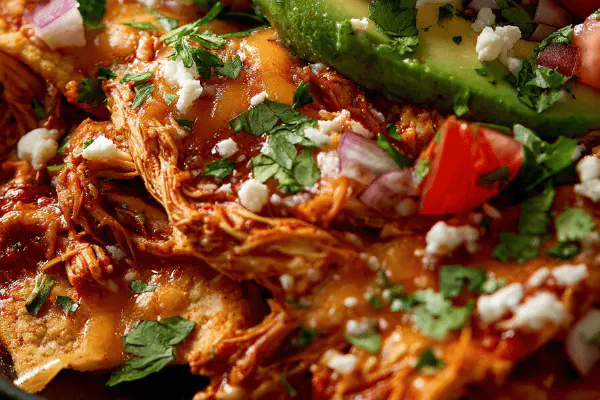
Turkey Chile Chilaquiles
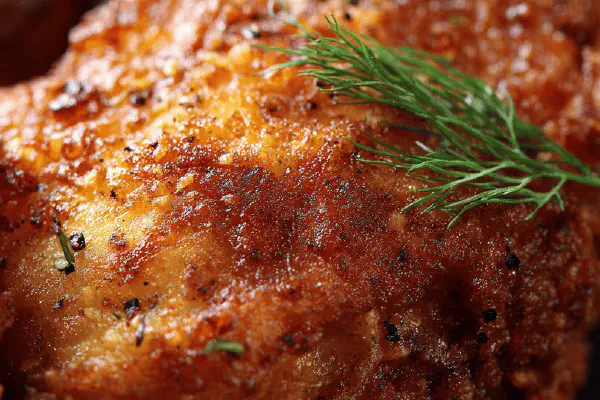
Crispy Beer-Battered Chicken
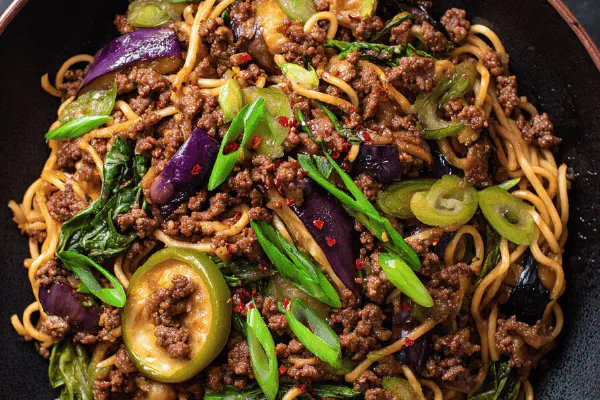
Beef Eggplant Pleurote Ramen
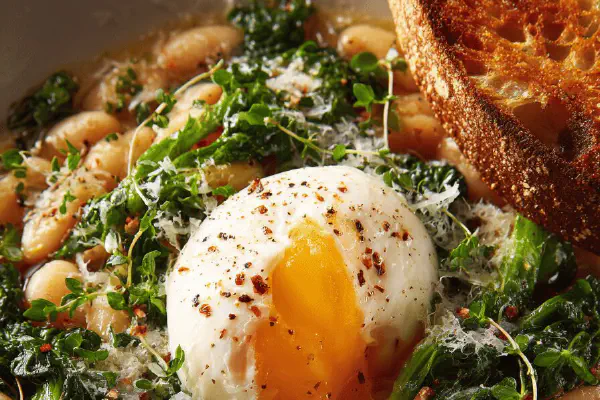
Slow-Baked White Beans with Soft-Boiled Eggs
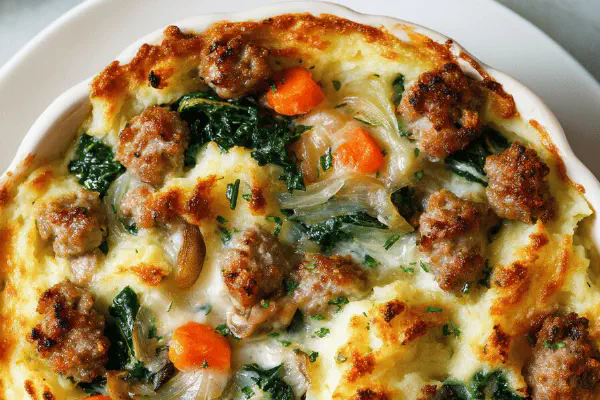
Rustic Sausage Shepherds Pie
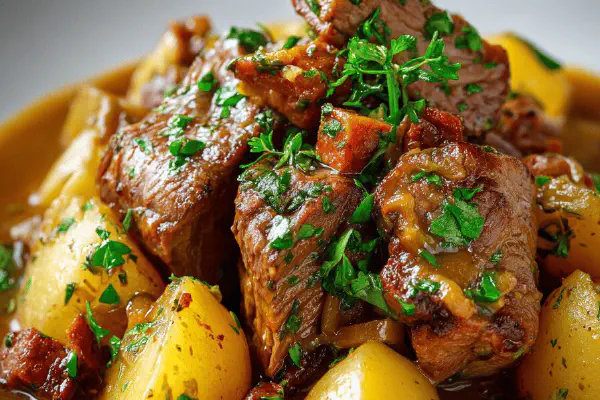
Braised Veal Marsala
Million Dollar Mac Cheese

Spiced Chicken Tacos Twist

Chicken Pot Pies in Ramekins
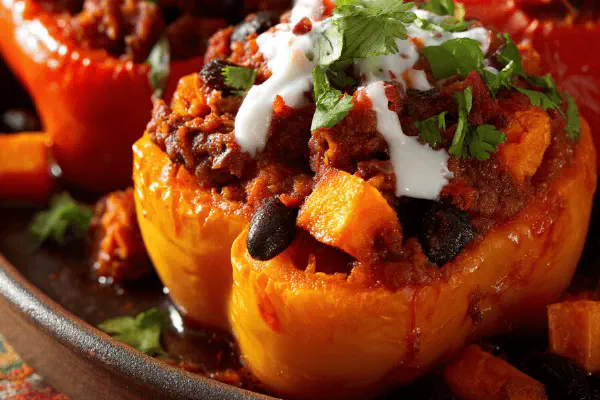
Curried Beef Stuffed Peppers

Roast Leg of Lamb with Port
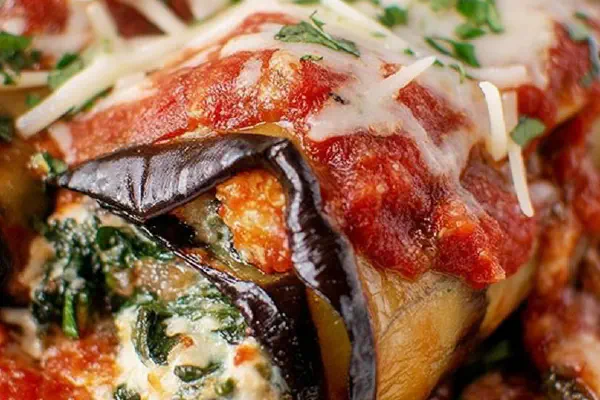
Baked Eggplant Rollatini
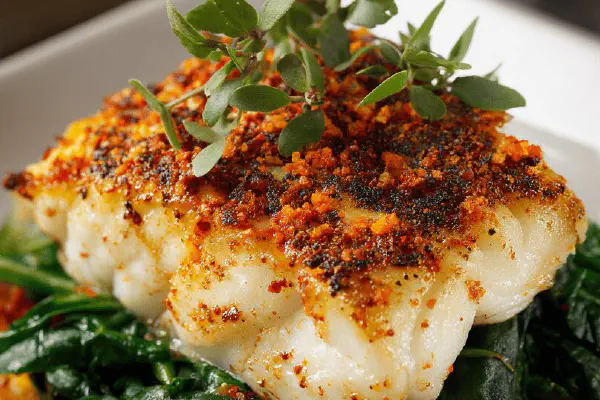
Spiced Roast Fish with Carrot Purée
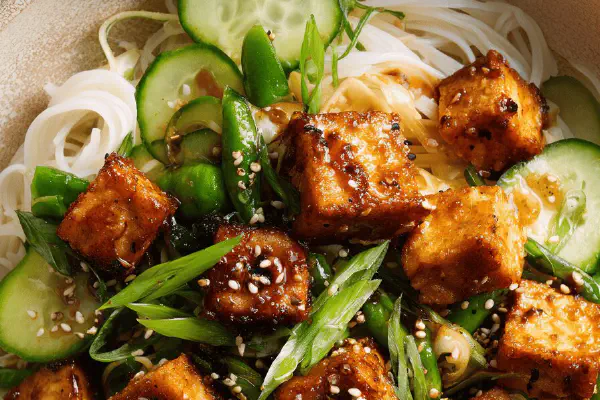
Crispy Tofu Rice Bowls

Spinach Chicken Enchiladas
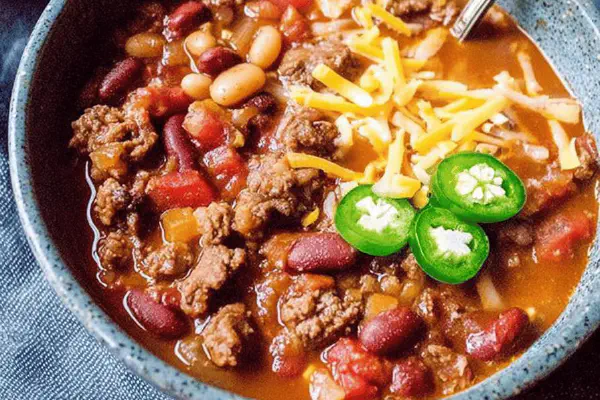
Slow Cooker Spiced Lamb Chili
About the ingredients
Mushrooms: Use mixed wild for depth or cremini for budget. Avoid canned mushrooms; too wet and bland. Shallot lends sweetness and garlic punch; omit garlic for milder duxelles. Butter makes the sauté silky—swap clarified butter carefully as it lacks milk solids that brown. Thyme is classic; rosemary harsh. Heavy cream is optional but smooths and binds duxelles paste; omit for dairy-free, add a splash of stock instead but expect looser paste. Beef: center-cut tenderloin is best for shape and tenderness. Twine essential for even shape; skip and pastry falls apart. Prosciutto adds saltiness and barrier; bacon can substitute but fattier. Dijon mustard is spicy layer; experiment with whole grain or spicy mustard. Puff pastry must be cold and thawed properly to prevent shrinkage. Eggs for wash ensure golden crust and help decorations stick. Neutral oil for searing prevents smoking and flavor shifting; olive oil too strong and burns.
Method
Duxelles Mushroom Paste
- Start with large food processor, pulse mushrooms, shallot and garlic till thick paste. Too much chopping swamps the pan with moisture. The paste should be chunky-fine, not puree. Let the mushrooms breathe in the pan later to dry fully.
- Heat butter in medium skillet over medium, dump mushroom paste in. Sauté, stir occasionally, about 12 minutes. Watch moisture escape with sizzling sound. When no water pools, paste shrinks and darkens. That dryness is key or soggy Wellington follow.
- Stir in thyme, salt, pepper. Pour cream over and fold in. Cream binds the dry mushroom bits into a thick spreadable paste. Remove from heat, cool completely. Still warm makes pastry soggy. Patience here pays off.
Preparing Tenderloin
- Tie the tenderloin with butcher's twine every 1 1/2 to 2 inches to keep shape. Without twine it puffs weird and cooks unevenly. Rub generously with salt and pepper. I use kosher salt; helps crust before sear.
- Heat skillet to smoking point on med-high; add oil unless seasoned cast iron is your weapon. Sear tenderloin on each side including tips, about 1 minute per side, total 4-5 minutes. You want dark brown crust, not gray. Hear that sear? That’s flavor locked in.
- Cut twine off, discard. Pat tenderloin dry with paper towels—no residual moisture or pastry gets soggy. Bring to room temp briefly if fridge-cold, speeds even cooking.
Assembling Wellington
- Lay large piece of plastic wrap on cutting board vertically. Roll out puff pastry to overlap slightly, pinch edges. Arrange prosciutto slices in single overlapping layer, shingled like roof tiles. Thin, even layer is foundation here.
- Spread Dijon mustard thinly over prosciutto. I swapped plain for whole grain sometimes; texture kicks up a notch. Then spread cooled mushroom paste evenly, keep a 1-inch border clear around edges – stopping edge sogginess and it sticks better.
- Place tenderloin at bottom edge of prosciutto-mushroom wrap. Using plastic wrap edges, roll tightly into log shape, pressing ends to seal. Trim excess pastry but don’t overlap too much or it cooks unevenly, undercooked in thick spots.
- Pinch ends closed, tuck under tenderloin. Optionally wrap again in plastic wrap and twist ends. Chill wrapped log 40-60 minutes. Chill firms shape and sets layers. No chilling, puff pastry flops in oven.
- Preheat oven to 400F (204C). Line baking sheet with parchment. Unwrap tenderloin and place seam side down on tray.
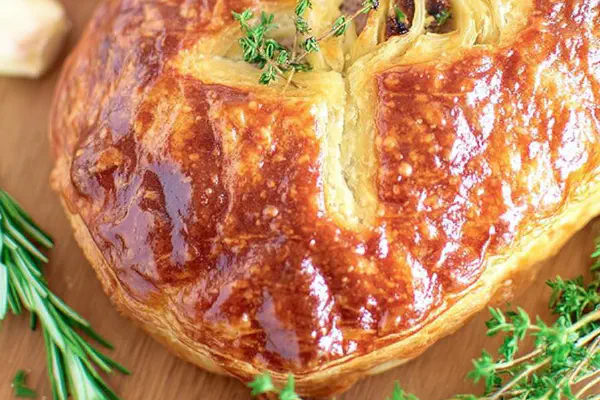
- If you saved puff pastry scraps, cut decorative shapes like leaves or diamonds; attach on top with egg wash. Otherwise score top lightly with paring knife to vent steam and create pattern. Egg wash glues crust and adds deep color.
- Brush entire pastry surface with egg wash. Bake 28-32 minutes till pastry golden brown and puffed. Watch edges; cover with foil if browning too fast. Timing varies with size. Use pastry color and firmness to judge doneness; too pale means undercooked pastry, too dark means burnt.
- Remove from oven, transfer carefully to rack. Rest for minimum 15 minutes before slicing with serrated knife. Don’t skip rest; hot meat loses juices, slicing later keeps tender and moist.
- Serve thick slices with optional brown gravy or red wine sauce. Pan sauces add punch but the Wellington can stand solo.
====
Cooking tips
Pulse mushroom mixture just enough to finely chop but retain some texture. Over-pureed turns gluey during cooking, releasing too much moisture. Sauté until paste is visibly shrunken and dry, not wet or soggy—use the sound of escaping steam and look for darkening. Adding cream finishes the paste with richness and acts as glue for wrapping. Tying tenderloin is crucial; it firms meat for clean roll and even cooking. Salt penetrating before sear helps crust development and flavor. Searing locks in juices and builds flavorful crust through Maillard browning; smoke point oil or dry skillet crucial to avoid burning. Rolling on plastic wrap helps control shape and tightness. Leaving a gap around edges avoids soggy pastry and leaking juices. Resting wrapped tenderloin chilled tightens pastry layers, keeps roll intact. Baking at 400F gets pastry crisp without drying meat, watch edges to prevent burning. Don’t rely strictly on minutes, look for puffed, golden shell. Resting post-oven lets juices redistribute—skip and meat fibers clamp down. Slicing with serrated knife reduces squish. Use leftover pastry scraps to decorate; good use for those remnants, also adds flair and shows care.
Chef's notes
- 💡 Pulse mushrooms just enough, chunk fine not puree. Too wet makes soggy pastry. Dry out duxelles with sound cues—hear that sizzle? Darken, shrink, no pooling water. Cream adds glue and richness but don’t skip cooling or pastry sogs.
- 💡 Tie tenderloin tightly every inch and a half. Shape holds firmness for even cooking and clean slices. Without twine, uneven puffing ruins shape and mouthfeel. Salt well before sear, use kosher salt for crust. Sear hot but quick, brown all sides for deep flavor.
- 💡 Roll out puff pastry cold and keep edges clear. Overlapping dough leads to doughy patches. Layer prosciutto thin and even, like roof tiles. Mustard layer—go Dijon or grainy—adds texture and zing under mushroom paste. Roll log tight using plastic wrap edges, seal ends well.
- 💡 Chill wrapped tenderloin minimum 40 minutes. Pastry firms, keeps shape and layers defined. No chill means flop or uneven bake. Decorate with pastry scraps glued on with egg wash or score top lightly for steam vents and pattern. Egg wash for golden color and glossy finish.
- 💡 Watch oven edges closely. Bake 28-32 min at 400F. Pastry color and puff matter more than times. Too pale=undercooked dough; too dark=burnt flavor. Rest at least 15 min on rack to redistribute juices. Slicing hot loses moisture, dry meat. Serrated knife best for clean cutting, less squish.
Common questions
How dry should the duxelles be?
Mushrooms shrink visibly, no water puddling. Listen for sizzle sound, darken color. Wet paste kills pastry crisp; cream binds but cool first or soggy layers.
Can I use bacon instead of prosciutto?
Yes, but fattier and less salty barrier. Might leak more fat causing soggy pastry. Pat dry bacon well, expect flavor difference but still works. Prosciutto preferred for salt and texture.
What if my tenderloin puffs uneven in oven?
Usually tied too loosely or not chilled enough. Twine tight, chill wrapped log to firm shape. You can rewrap or press gently after rolling. Uneven sear makes spots cook differently too.
How to store leftovers?
Wrap airtight, fridge up to 2 days max. Reheat low oven or slice cold in sandwiches. Avoid microwave; pastry soggy. For longer, freeze wrapped log before baking, thaw overnight, then bake fresh.
You’ll Love These Too
Explore all →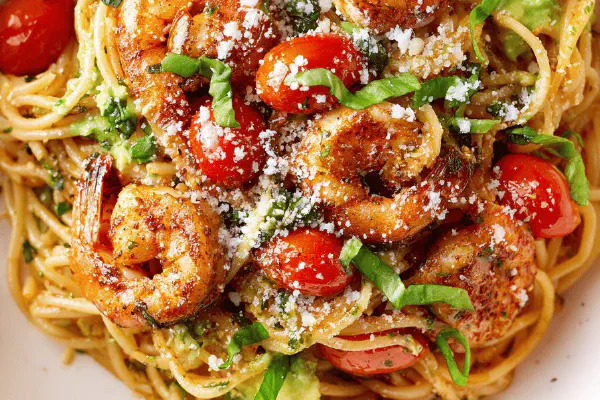
Shrimp Tomato Spaghetti
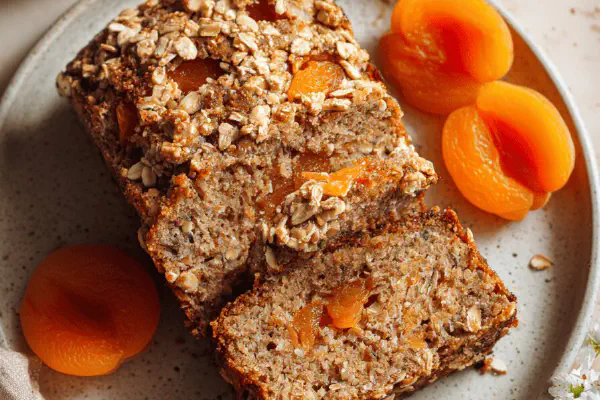
Bran Raisin Loaf Twist
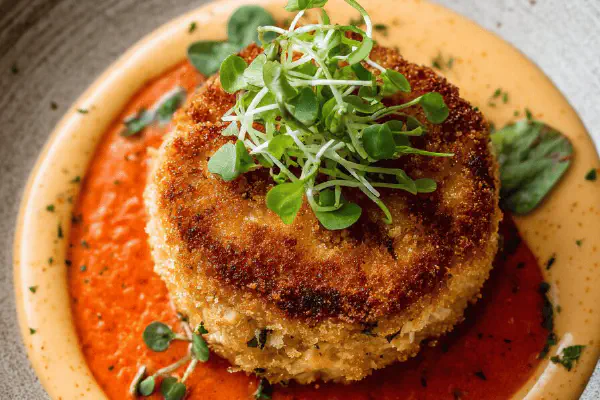
White Bean Tuna Croquettes

Blueberry Pancake Mix
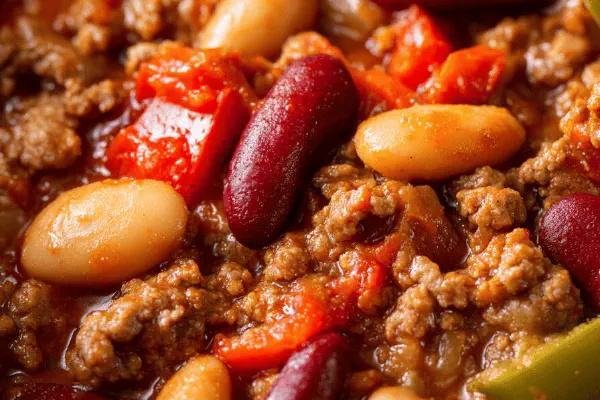
Two-Bean Spicy Chili
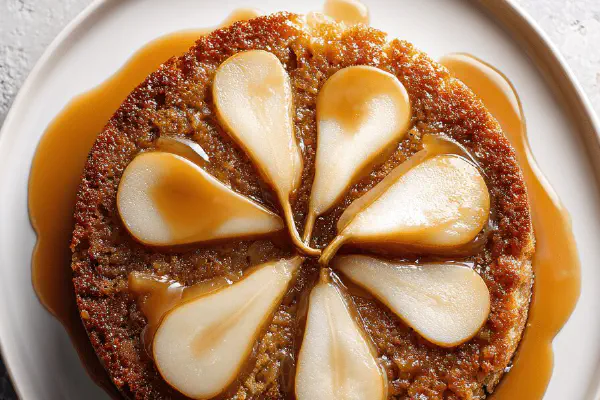
Pear Upside-down Spice Cake

Brown Sage Butter Sauce
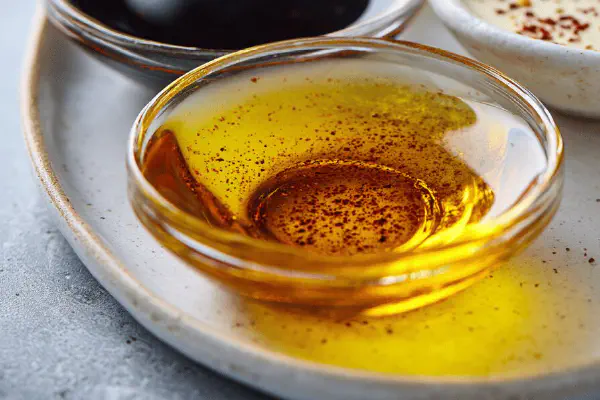
Mixed Vinaigrette Varieties
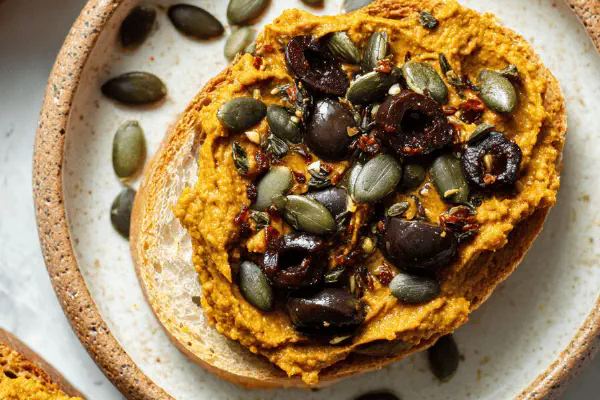
Sun-Dried Tomato Pumpkin Pesto

Snowball Truffles
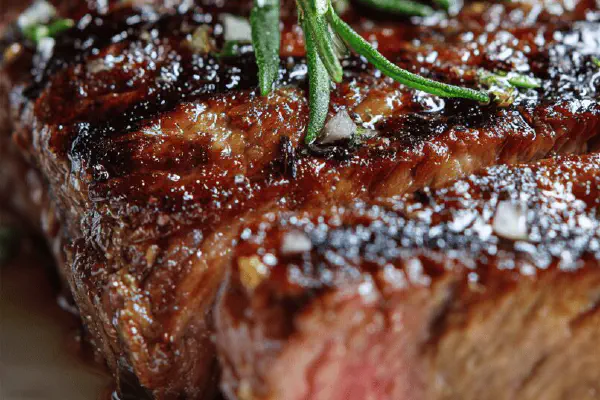
Rosemary Scented Steak

Creamy Garlic Parmesan Linguine
Braised Veal Marsala
Yellow Pepper Gazpacho

Caramel Apple Pretzel Bark
Rustic Potato Bacon Salad
Smoky Carbonara Twist

Black Bean Burritos

Chicken Naan Sandwiches
Apple Air Fryer Puddings
