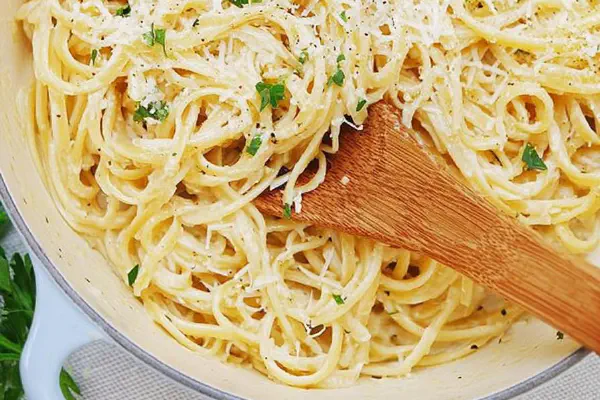
Creamy Garlic Parmesan Linguine
E
By Emma
Certified Culinary Professional
•
Recipe tested & approved
Linguine cooked al dente then tossed in a creamy sauce made from melted cream cheese, Parmesan, and reserved pasta water. Garlic slowly browned in olive oil builds aroma with a careful watch to avoid bitterness. Heavy cream adds richness, balanced by coarse salt flakes and fresh pepper. A simple twist swaps cream cheese for mascarpone; changes texture and adds subtle sweetness. Pasta water’s starch tightens sauce, prevents separation. Ingredient substitution tips and troubleshooting for garlic burning or sauce splitting included. Timing adjusted to emphasize sensory cues over clocks; perfect for cooks who trust sight, smell, and touch over timers.
Prep:
7 min
Cook:
22 min
Total:
29 min
Servings:
4 servings
#Italian-inspired
#pasta
#garlic
#Parmesan
#mascarpone
#creamy sauce
Ever wrestled with creamy pasta that splits or gets rubbery? Key lies in balance — heat, timing, and that magical starch water. Start with linguine cooked just shy of soft, firm enough to hold sauce but tender to bite. Garlic needs patience low and slow; browned but not burnt, that smell alone tells you sauce’s future. Cheese melting is a process, not a dump-and-stir. Cream cheese or mascarpone gives body; Parmesan adds bite and complexity. Heavy cream smooths edges but too much heat and it curdles. That reserved pasta water is your secret weapon — starch tames sauce chaos, keeps noodles shiny not clagged. Tossing off heat is not optional: it’s how you protect delicate texture. Sprinkle flakey salt and fresh pepper at last — seasoning is finale, not afterthought. No timers worship—observe, taste, smell, touch. Your kitchen senses are your kitchen clock.
Ingredients
- 12 ounces linguine or preferred pasta
- 2 tablespoons olive oil
- 4 cloves garlic minced
- 4 ounces mascarpone or cream cheese
- 1 cup freshly grated Parmesan cheese
- 3/4 cup heavy cream
- 1 cup reserved pasta water
- sea salt flakes for finishing
- freshly ground black pepper
In The Same Category · Pasta and Noodles
Explore all →


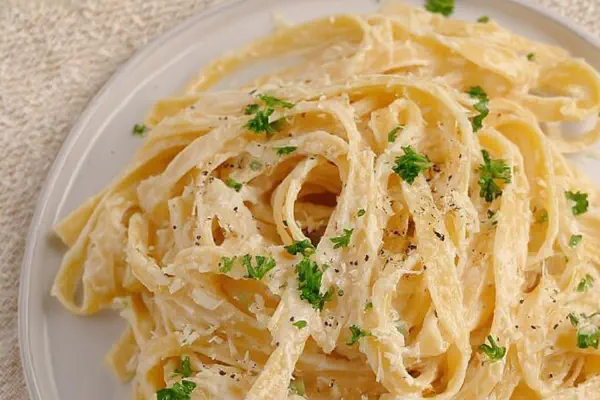
About the ingredients
Use mascarpone instead of cream cheese for subtler sweetness and silkier texture. Olive oil must be good quality; cheap ones burn faster and taste flat. Garlic quantity can be halved or doubled depending on your love of allium punch but never use pre-minced jarred garlic — flavor flat and stinky. Parmesan freshly grated; pre-grated often contains anti-caking agents affecting melt. Heavy cream must be at least 30% fat for creaminess; half-and-half won’t hold. Pasta water reserve—don’t dump it away. It’s loaded with starch, glue for your sauce. Substitute linguine with spaghetti or fettuccine to vary thickness. Sea salt flakes instead of table salt gives a crunchy textural pop on top. Ground pepper freshly cracked, not pre-ground, for aroma explosion. If allergic or avoiding dairy, replace cream cheese and heavy cream with coconut cream but expect a coconut note.
Method
- Start boiling water salted generously, cook linguine firm but tender. Grab a cup of starchy pasta water before draining. Don't rinse! Set pasta aside.
- Heat olive oil in the same pan you’ll use for sauce, low heat. Toss in minced garlic. Stir often, watch closely. Wait for edges to turn golden and fragrance blooms. No burning or bitterness, please. About 4-5 minutes but trust smell and color not clock.
- Drop mascarpone (or cream cheese) in. Stir constantly to melt into garlic oil. It’ll look chunky at first but soften gradually. If it clumps, add splash of reserved pasta water to coax smoothness out. Around 4-5 minutes. Heat gentle but consistent.
- Whisk in Parmesan cheese first — thickens sauce. Follow with heavy cream, then little by little pour in pasta water. Sauce should become glossy, thick but pourable. If too thin, add more Parmesan; too thick, more pasta water. A little patience here keeps sauce cohesive instead of separating.
- Return pasta to pan. Toss vigorously off heat — your arms will get workout. Coat each strand evenly; pasta must feel slick but not drowning. If sauce seizes, splash more pasta water and stir till soupy again. Let residual heat finish marriage of sauce and noodles.
- Serve immediately. Finish with flaky sea salt, fresh cracked pepper. More Parmesan on top if you dare. Visual: faint shimmer on noodles, taste: sharp umami, texture: creamy with bite of pasta. Garlic scent lingers but no sharp bite. Delightful mess.
- If following these steps, experiment with adding chili flakes or lemon zest for brightness. Feedback welcomed—every kitchen adventure shapes better next round.
Cooking tips
First step is all about timing pasta perfectly — hold back from overcooking by testing frequently. Feel pasta firmness with a bite; al dente means tender with a slight chew, not mushy or rock hard. When frying garlic, low heat is imperative; too hot and it’s bitterness and ruin. Smell is your guide; brown edges with gentle sizzling sound but no black spots. Adding cream cheese must be gradual, stirring to avoid clumps or stringy cheese bits. If sauce thickens too fast, pour reserved pasta water in careful increments to loosen; if too loose, crumble in more Parmesan to thicken naturally. Tossing pasta off heat helps maintain creaminess and stops residual heat from curdling cream. Toss vigorously to coat but not bruise pasta. Finish with salt and pepper at plating stage; seasoning too early will get lost. If sauce splits, save by adding more pasta water off heat, whisk vigorously until smooth. Personal tip: add a splash of white wine vinegar or lemon juice for unexpected brightness.
Chef's notes
- 💡 Start pasta teasing al dente. Bite test crucial. Tender with resistance, no mush. Drain but snag cup pasta water; starch sticks, magic glue. Keeps sauce clingy, never watery or loose. No rinse unless cold salad. Oil burns fast if too hot; keep low, slow browns garlic-until golden edges, faint sizzle no black. Stir often but gentle.
- 💡 Add mascarpone slow. Stir constant, watch shift chunky blotches soften. If clumpy, add reserved water little by little. Thinner texture means patience, no heat spikes. Parmesan next, thickens sauce like glue. Heavy cream after, then water dropwise. Adjust thickness by feel not measure. Sauce sheen signals ready, coat pasta not drown.
- 💡 Toss pasta off heat. Residual warmth finishes sauce meld, avoids curdle or seize. Arms get workout but sauce clings strand by strand, slick, shiny without flooding noodles. If sauce stiffens, add water splash and stir aggressive. Salt flake finish last; crunch contrasts silky. Pepper cracked fresh; aroma bursts only at end.
- 💡 Substitutions work but beware. Mascarpone sweeter, creamier; cream cheese tangier, thicker. Heavy cream min 30% fat or sauce splits. Half & half won’t hold up. Olive oil quality matters; cheap scorches fast, dulls garlic. Garlic fresh minced only; pre-minced jars smell stale, offend taste buds. Pasta shape flexible—spaghetti or fettuccine swaps fine but timing differs.
- 💡 If sauce splits mid-toss, pause add pasta water off heat. Whisk fast till smooth again. Acid splash—white wine vinegar or lemon juice—brightens dull sauce, but add slow and last. Chili flakes optional for heat punch; added early burns, late is safer shot. Scent, texture, faint shimmer matter more than timer or clock notes.
Common questions
How to avoid burnt garlic?
Cook low slow. Listen for quiet sizzle-not crackle. Brown edges form slowly. Move garlic often, don’t let sit or black spots appear. Smell guides, stops sharp bite. Oil temp key, too hot ruins batch fast.
Can mascarpone be replaced?
Use cream cheese but sauce tastes denser, tangier. Mascarpone adds silk, subtle sweet curl. Dairy-free? Coconut cream swap possible but expect coconut scent interfere. Texture differs; sauce less creamy thick, more loose.
Why does sauce split?
Heat too high or add cream wrong. Toss pasta off heat, temperature control critical. If sauce breaks, add starchy water to rebind. Avoid rushing additions; slow whisking keeps emulsion stable. Patience prevents curdling.
How to store leftovers?
Refrigerate tight container max two days. Reheat gently low heat with splash reserved water, stir often. Microwave risks curdle, so on stove better. Sauce thickens cold; add liquid, whisk to restore creaminess.
You’ll Love These Too
Explore all →
Cheesy Queso Sauce
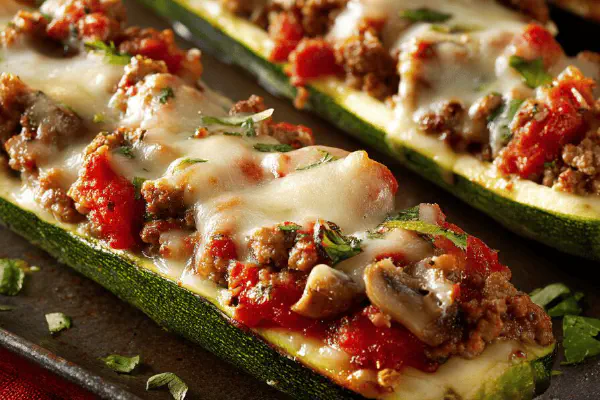
Stuffed Zucchini Gratin
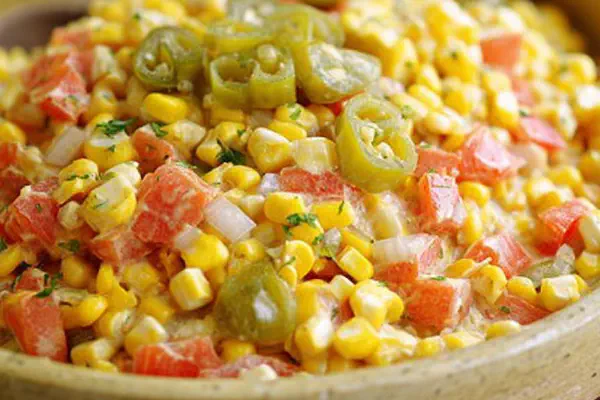
Creamy Corn Maque Choux
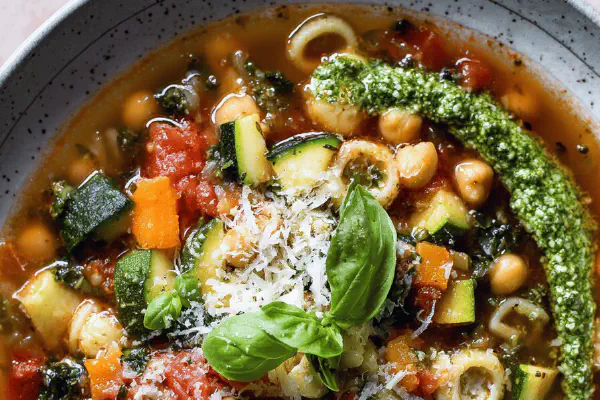
Green Minestrone Soup

Zesty Pineapple Salsa Remix
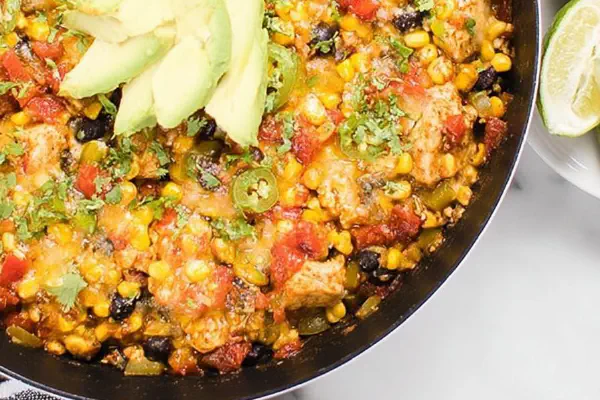
Spiced Fiesta Chicken
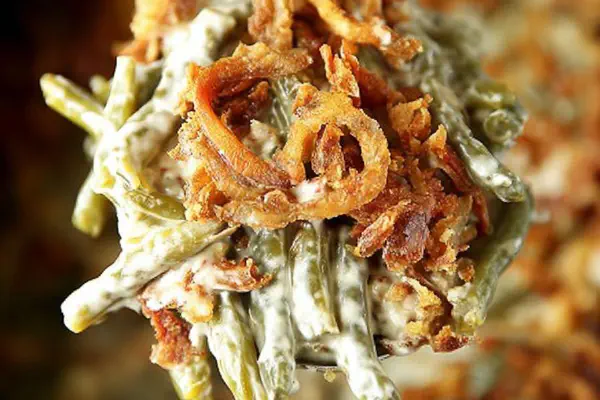
Slow Cooker Green Bean Casserole
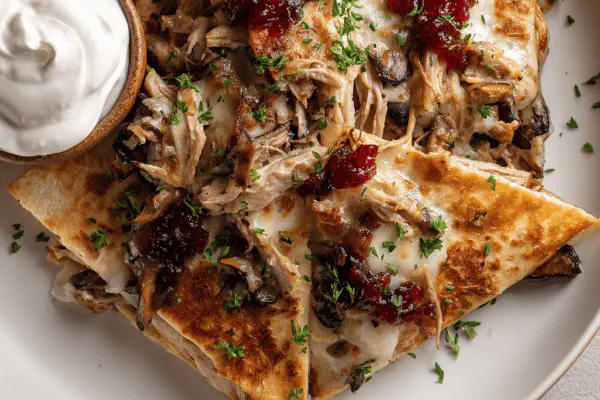
Turkey Quesadillas Remix

Smoky Crab Bake Toast
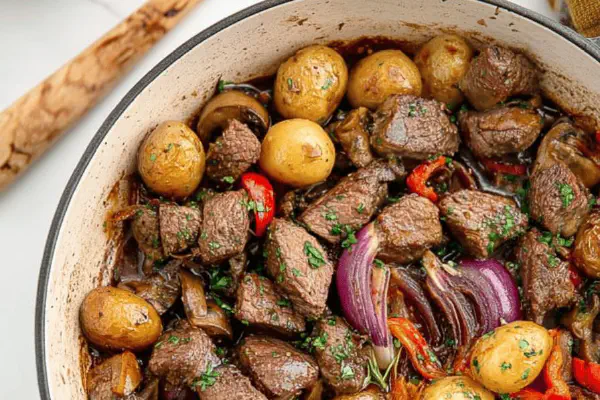
Savory Steak Stir Fry
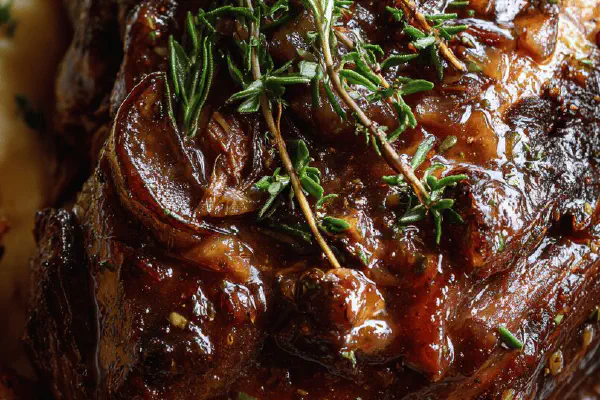
Lamb Leg Slow Braise
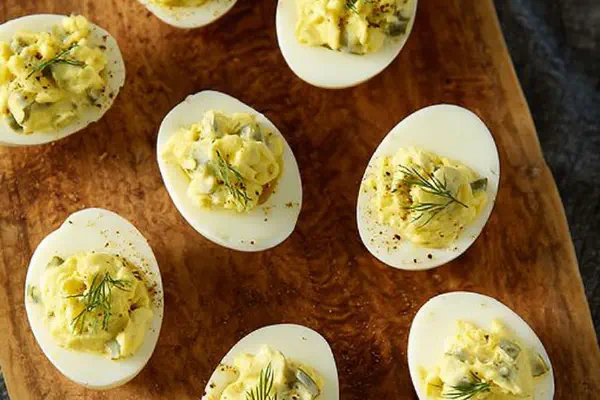
Dill Pickled Deviled Eggs
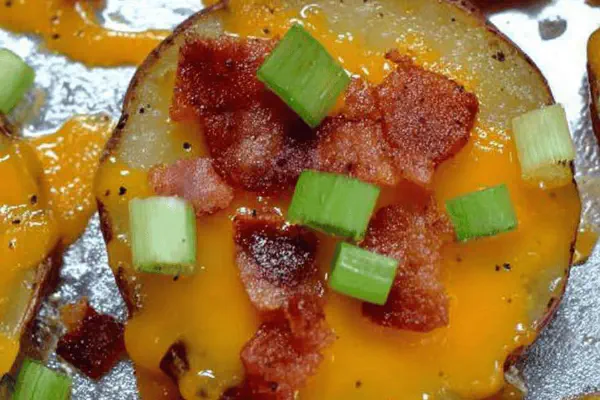
Loaded Potato Rounds Remix
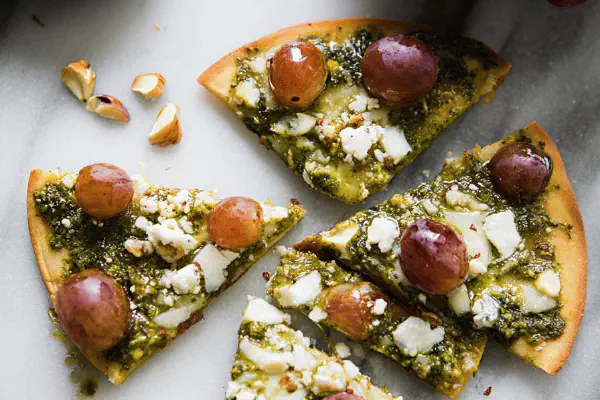
Kale Pita Pizza Remix
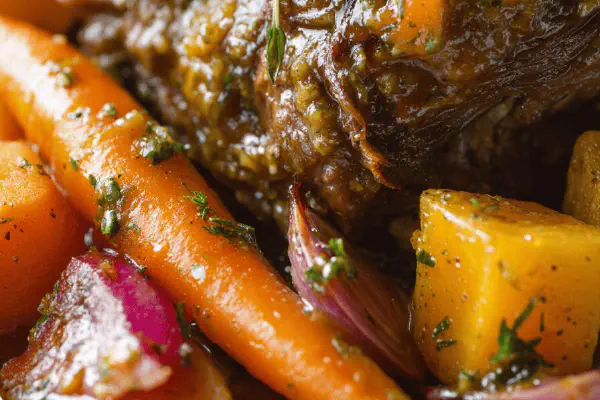
Mustard-Crusted Lamb Shoulder
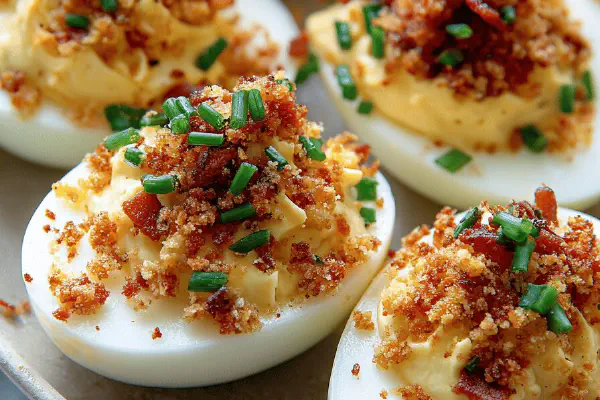
Spicy Crispy Deviled Eggs

Modified Dark Ganache

Soft Gingerbread Cookies
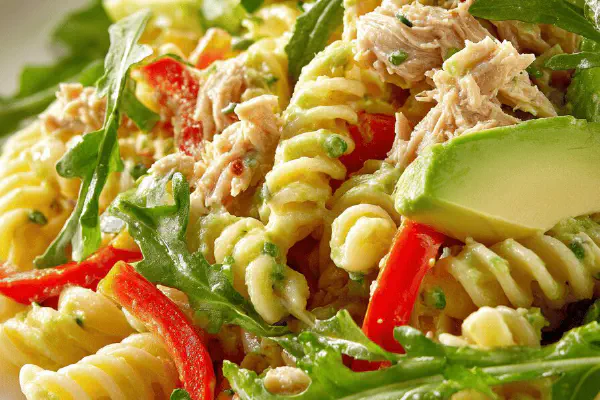
Rotini Tuna Avocado Salad
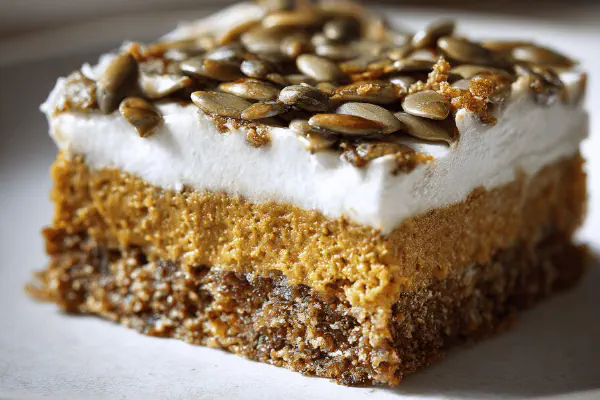
Spiced Pumpkin Squares