Chicken Alfredo Twist
E
By Emma
Certified Culinary Professional
•
Recipe tested & approved
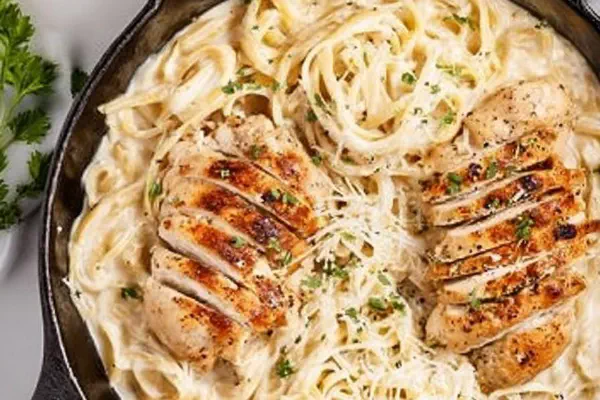
Creamy chicken Alfredo with seasoned pan-seared cutlets on fettuccine noodles tossed in a rich sauce made from butter, garlic, and cream. Simple, comforting, with a hint of oregano replacing Italian seasoning.
Prep:
12 min
Cook:
22 min
Total:
34 min
Servings:
6 servings
#Italian-American
#Pasta recipes
#Chicken dishes
#Cream sauces
#Quick meals
Before You Start
Jump right in. Pasta water bubbling, oil shimmering in skillet. Seasoning mix hits chicken for punch. Not just Italian seasoning—oregano, smoky paprika sneaks in—changes everything. Garlic sizzling in butter, smell grabs you. Thickening sauce needs patience; whisk like your life depends on it. Parmesan folding melts glossy, noodles whisper ‘coated’. Chicken resting, juices locking inside. Slice it just right, visual moistness. Bright parsley breaks creamy monotony. Learned the hard way: wait before tossing pasta with sauce or it clumps. Wrong flour timing kills smoothness. Garlic browning? Bitterness that kills mood. Cream, milk, careful with temperature. Scald or boil over? Sauce breaks, no way back. My freezer relies on slices; reheat gently or sauce clots into rubber. This isn’t fancy; it’s basic elevated by timing and feeling. Trust sight, smell, touch. The crunch of chicken edges signals done. Bits of char, golden everywhere. Sauce holding steady, not too thin, not gluey—prized texture. Midweek win, easy for family yet feels like effort worth noticing. Skip the store sauces, make your kitchen feel alive.
Ingredients
- 12 ounces fettuccine noodles
- 1 tablespoon dried oregano
- 3/4 teaspoon salt, divided
- 1/2 teaspoon black pepper
- 3 boneless skinless chicken breasts, pounded to even thickness
- 3 tablespoons olive oil
- 3 tablespoons unsalted butter
- 4 cloves garlic, minced
- 1/2 teaspoon garlic powder
- 2 tablespoons all-purpose flour
- 1 cup whole milk
- 1 cup heavy cream
- 1 1/2 cups freshly grated Parmesan cheese
- 2 tablespoons fresh chopped parsley
- Optional twist: 1 teaspoon smoked paprika in chicken seasoning
In The Same Category · Main Dishes
Explore all →
Quick Pinto Chili Twist
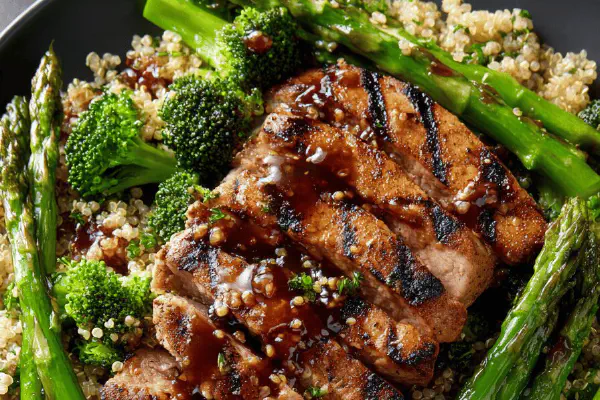
Maple Ginger Pork Quinoa

Instant Pot Shrimp Biryani
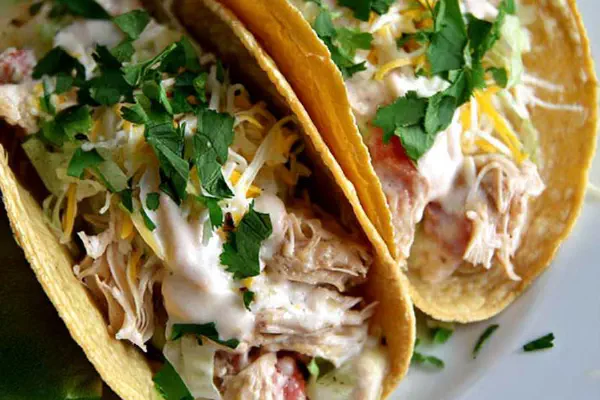
Creamy Slow Cooker Chicken Tacos
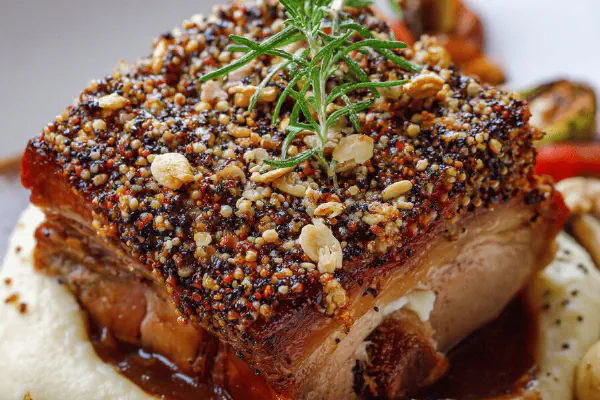
Pork Rib Roast with Mushroom Sauce
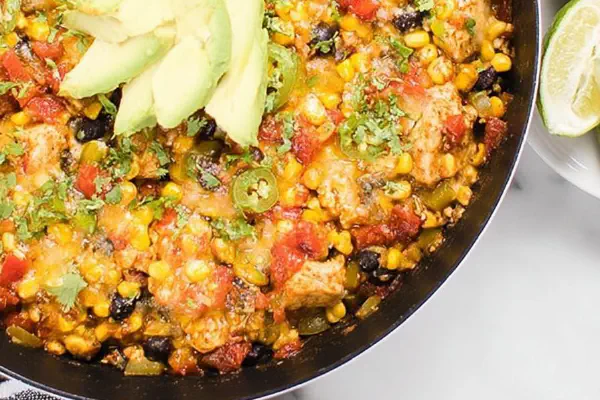
Spiced Fiesta Chicken

Smoky Blackened Chicken
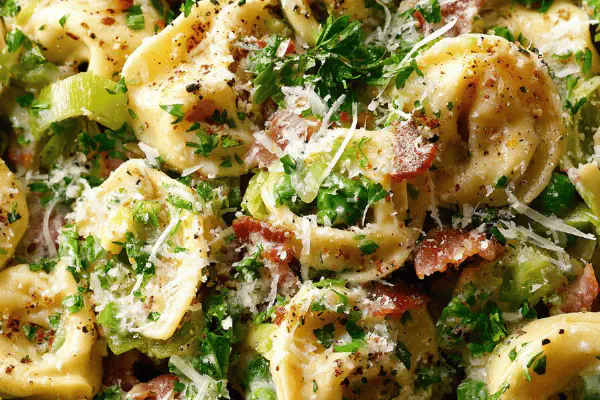
Twisted Cheese Tortellini
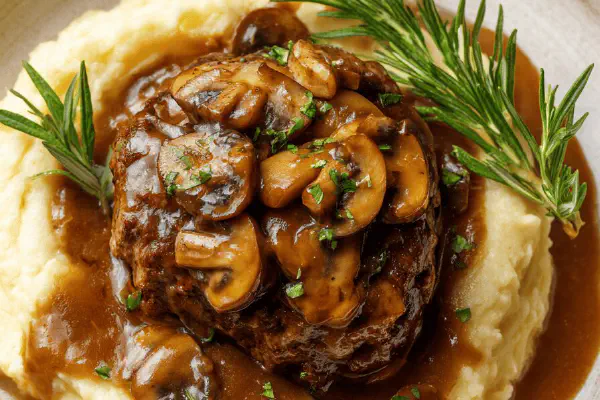
Smashed Beef Patties with Mushrooms
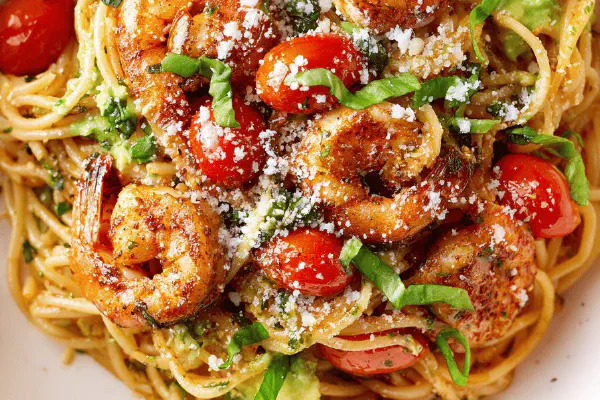
Shrimp Tomato Spaghetti
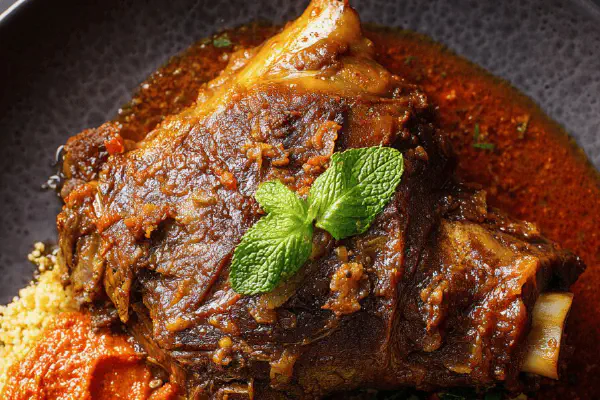
Mediterranean Lamb Leg Roast
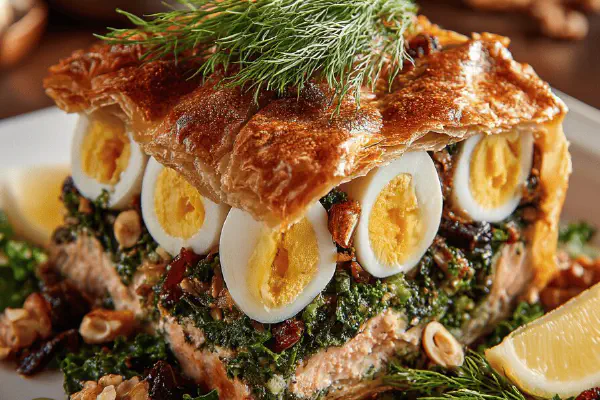
Salmon Koulibiac Twist
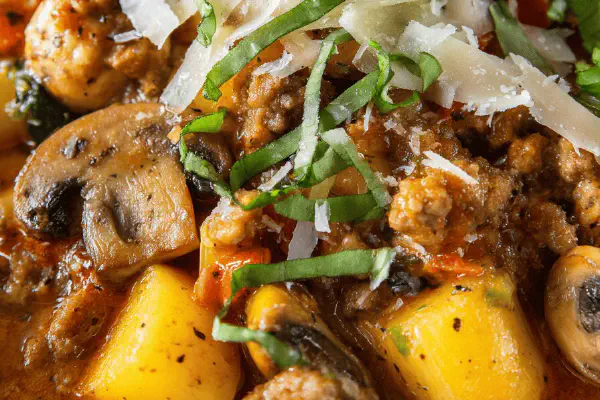
Sausage Balls Veggies Slowcooked

Maple Miso Pork Ribs
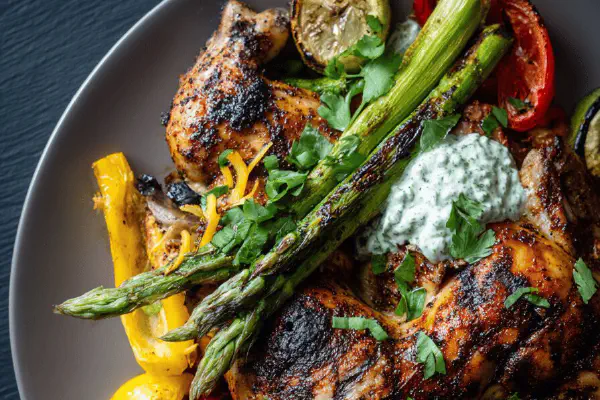
Grilled Spatchcock Chicken with Pesto Mayo

Baked Beans Ground Beef
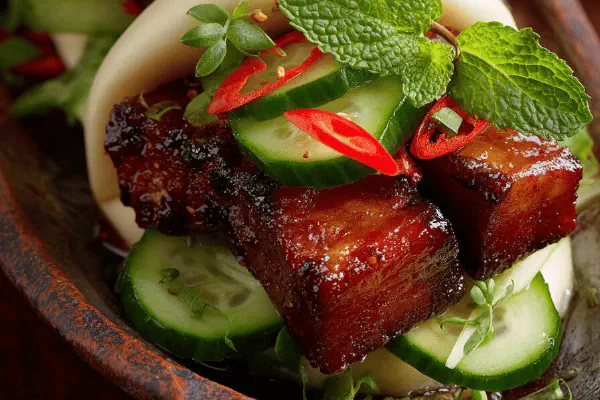
Braised Pork Belly Buns
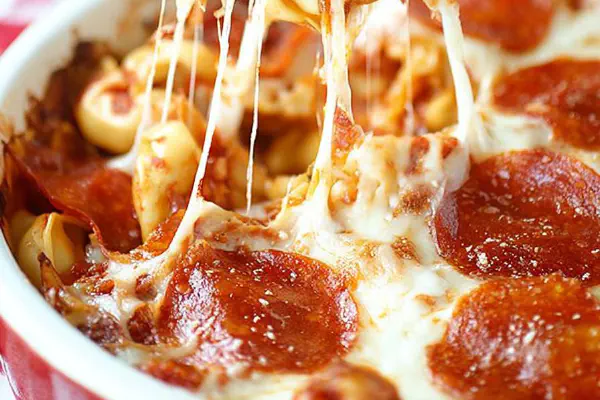
Baked Pizza Tortellini Casserole
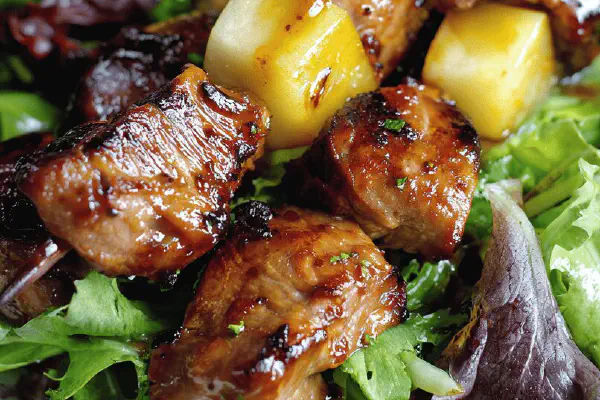
Duck and Honey-Glazed Apple Skewers
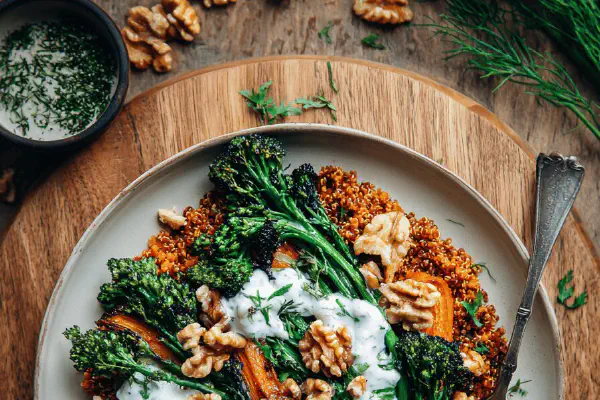
Sweet Potato Quinoa Pie
About the ingredients
Flour can be swapped for cornstarch for a clearer sauce but reduce quantity by half. Use half-and-half instead of whole milk and heavy cream combo to save fat but sauce loses some richness. Parmesan freshly grated melts better and avoids gritty faux-cheese textures from pre-grated bags. For chicken, tenders or thighs work too, just adjust cooking time. If short on fresh garlic, garlic powder boosts flavor but add minced garlic first for aroma. Butter quality matters here; salted can skew seasoning so good to control salt separately. Don’t skimp on oil for chicken sear; it prevents sticking and builds flavor. Dried oregano stands in for Italian blend bringing herbal brightness without overpowering. Parsley optional but recommended for color and freshness—cilantro or basil swap okay if parsley isn’t handy. For a twist, smoked paprika adds warmth and subtle smoke, nice alternative layer, especially if grilling chicken outside isn’t an option. And pasta water reserved for thinning sauce is chef secret; don’t waste it.
Method
- Boil salted water vigorously for fettuccine until just tender but still a little bite. Drain thoroughly. Set aside, toss lightly with olive oil to keep strands separate.
- In small bowl mix oregano, smoked paprika, 1/2 teaspoon salt, and black pepper. Press the seasoning on both sides of each chicken breast. Oregano swaps Italian seasoning for a rustic punch; paprika adds depth.
- Heat olive oil in a 12-inch skillet over medium-high. Oil should shimmer but not smoke. Sear chicken breasts until golden with crisp edges, about 5-7 minutes per side depending on thickness. Internal temp 165°F. Rest on plate; juices redistribute so it’s juicy, not dry.
- Turn heat to medium. Add butter—listen for gentle sizzle before garlic. Toss garlic, garlic powder, and remaining salt in and stir. Aroma should fill your kitchen within 45 seconds. Don’t brown garlic or bitter notes sneak in.
- Sprinkle flour evenly, whisk rapidly to avoid lumps. Cook the roux for about 1 minute; no raw flour flavor here. It should smell slightly nutty, not floury.
- Slowly drizzle milk and cream in while whisking nonstop to keep sauce velvety. No lumps. If lumps form, temper liquid slower or whisk aggressively.
- Raise heat slightly to bring sauce to low boil—watch carefully. Slowly bubbles appear around edges and sauce thickens. Lower heat and keep whisking every 20 seconds. Takes about 3-4 minutes. If sauce sticks or burns, lower heat and add splash extra milk.
- Remove pan from heat and fold in Parmesan cheese. Stir gently until melted. Sauce should shimmer, coat the back of a spoon thickly but pour slowly.
- Add fettuccine to sauce, toss to coat noodles thoroughly. If sauce seems too thick, a splash of pasta water loosens it without watering down flavor.
- Slice rested chicken thin against the grain—shows pink juices trapped inside. Lay strips atop pasta. Scatter parsley for fresh, bright contrast. Serve immediately before sauce thickens too much or noodles soak it up.
Cooking tips
First thing: pasta al dente matters. Overcooked noodles are dead weight, ruin texture. Drain and toss with minimal olive oil immediately—that keeps strands separate before the sauce hits. Chicken seasoning mix, rub it well; if you throw it on haphazardly you get raw pockets of blandness. Medium-high heat for chicken sear; too low and it stews, too high and it burns prematurely. Rest chicken after sear—juices relax and redistribute; cutting hot meat means juices spill out, dry results. Sauce is where patience wins. Butter melts before garlic goes in to avoid burnt garlic bitterness. Flour needs to cook out that raw taste; whisk fast here or lumps wreck texture. Adding cream/milk slow, steady whisking essential to keep sauce smooth. Watch heat while it thickens; too much heat breaks emulsification. Final cheese fold in off-heat prevents clumping or stringiness. Toss pasta in sauce off-heat or minimal heat so sauce clings but doesn’t separate. Cut chicken thin like you’re carving roast beef—thin slices visually and texturally better. Parsley adds bright color to offset creamy white sauce. Serve ASAP; Alfredo thickens on standing. To reheat leftovers, do it gently in microwave with splash cream or in skillet with extra butter to bring sauce back without drying meat.
Chef's notes
- 💡 Pasta al dente not negotiable here. Boil hard, drain, then toss immediately with olive oil. Keeps noodles from sticking, no clumps. Sauce clings better, no noodley mess later.
- 💡 Chicken seasoning mix needs press, rub deep. Oregano swapping Italian seasoning shifts herbal note sharp, smoky paprika sneaks smokiness in, subtle but real. Salt split between mix and sauce rounds it out.
- 💡 Sear chicken medium-high heat. Oil shimmer is go sign, not smoke yet. Golden crust forms, edges crisp first. Resting chicken after sear critical; juices redistribute or you lose moistness down the drain.
- 💡 Butter sizzle before garlic in pan non-negotiable. Garlic goes in last second, garlic powder layers behind for punch. Burnt garlic kills clean sauce vibes. Watch color, aroma hits, then flour after that to build roux.
- 💡 Flour whisked fast, avoid lumps or gritty sauce. Cook roux about a minute to lose raw note but stop there or sauce thickens too much. Add cream and milk slow, steady whisk. Sauce texture is key signal.
- 💡 Heat up sauce slow. Low boil edge bubbles mean thickening. Stir every 20 seconds max or sauce sticks or burns. If sticks, lower heat and splash milk. Thick but pourable is the balance. Cheese folded in off heat melts best.
Common questions
Can I use chicken thighs?
Yep. Cook time shifts. Watch internal temp, thighs take longer. Fatty, more flavor. Adjust sear time accordingly.
What if sauce breaks?
Usually overheated. Lower heat immediately, whisk fast. Add splash cold cream or milk to rescue. Start over with sauce base if totally curdled.
How to reheat leftovers?
Gently, low heat skillet with bit butter or cream added. Microwave with splash cream, short bursts. Avoid high heat or sauce turns rubbery and dry.
Can flour be swapped?
Cornstarch works too but half amount. Mix cold water slurry first. Sauce clearer but less rich texture. Use if gluten-free or lighter look preferred.
You’ll Love These Too
Explore all →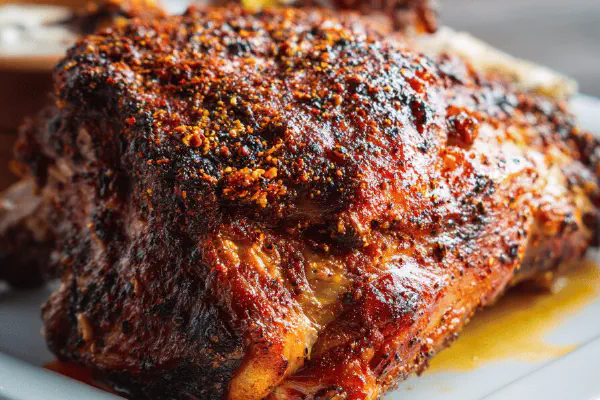
Dry-Rubbed Porc Méchoui

Spicy Jalapeño Corn Muffins
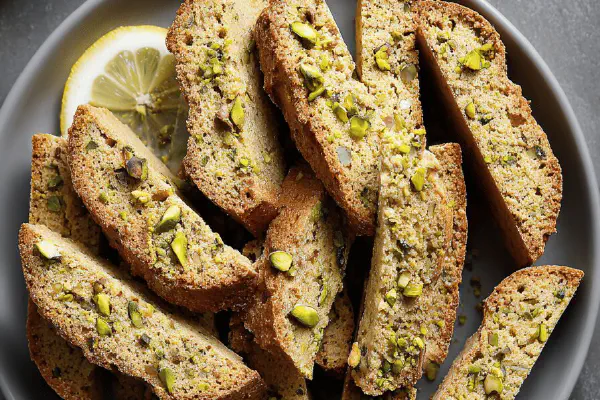
Vegan Pistachio Lemon Biscotti

Cherry Chocolate Chip Cookies
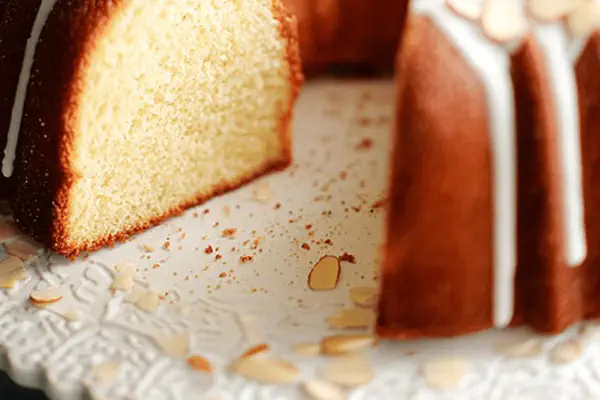
Almond Pound Cake Twist
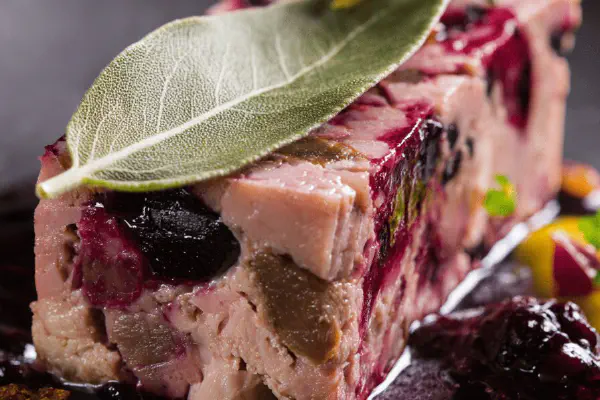
Pork Cassis Terrine Twist
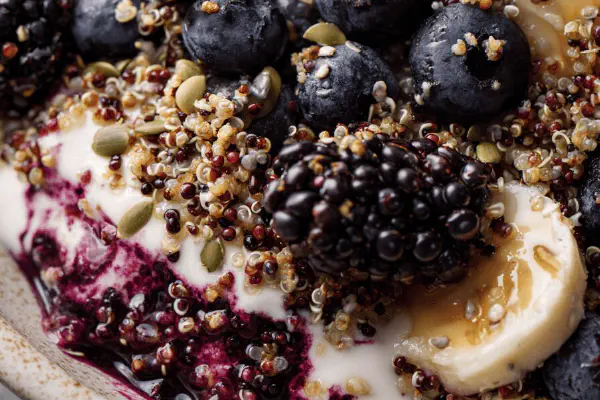
Berry Quinoa Bowl
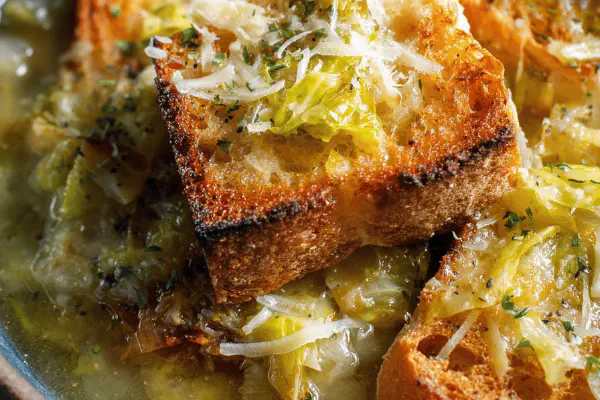
Country Cabbage Soup

Stuffed Sweet Pepper Bites
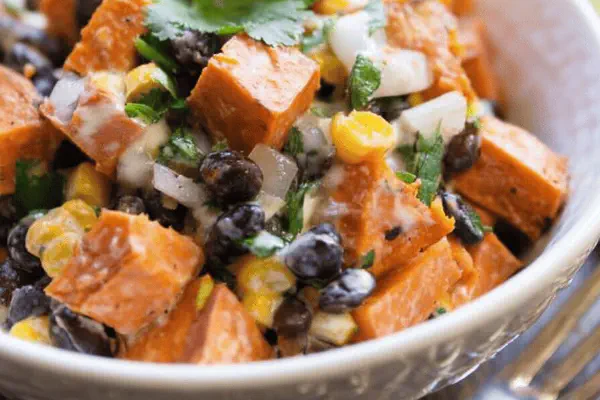
Sweet Potato Black Bean Salad

Twisted Washington Balls
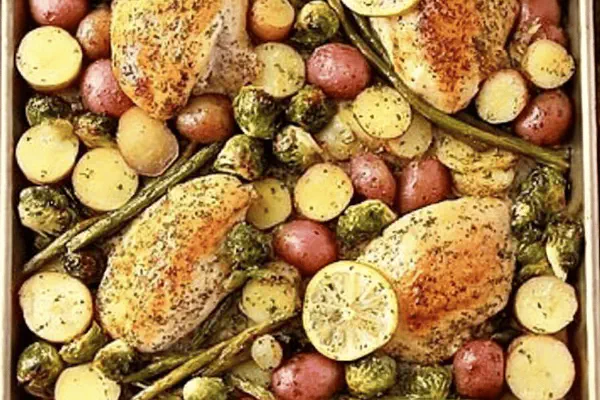
Sheet Pan Citrus Chicken
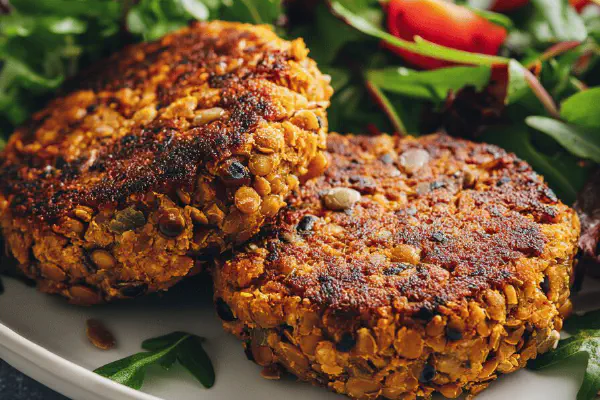
Oat Sunflower Burgers
Braised Italian Sausages Red Wine

Creamy Chicken Taco Soup Twist

Celery Feta Salad Remix
Apple Cranberry Nut Tart
No-Bake Coconut Cream Pie
Spatchcocked Juicy Turkey
Spicy Tuna Vermicelli Salad