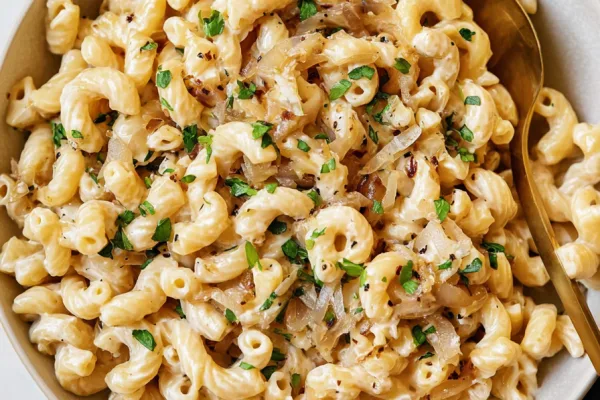
Caramelized Onion Cream Pasta
E
By Emma
Certified Culinary Professional
•
Recipe tested & approved
Caramelized onions slow cooked to golden brown, tossed with garlic, thyme, and a creamy cheese sauce coating al dente pasta. A subtle chili kick and beef broth depth add complexity. Simple pantry staples for rich, layered flavor.
Prep:
15 min
Cook:
55 min
Total:
1h 10min
Servings:
8 servings
#French inspired
#comfort food
#slow cooking
#pasta dish
#caramelized onions
#creamy sauce
Before You Start
Get ready nuts about slow brown onions. Not just soft, but deeply sweet and almost sticky. That caramelization. That warm scent fills entire kitchen. Takes patience. No rush. Butter sizzles, onions pile in handful by handful, softening, releasing that faintly sharp aroma then melting into gold. Combo of thyme, garlic, red pepper flakes adds layers beyond just sweet. Pasta’s cooked al dente because mushy is sin. Used mascarpone for creamy silkiness but swap cream cheese if you must. Beef broth gives savory backbone; vegetable stock works too if you skip beef. Toss all together, swirling in reserved starchy pasta water to coax sauce to right cling. Garnish with sharp cheese, parsley for freshness. Learned over attempts that stirring onions often and lowish heat prevents burnt bits that ruin flavor. Also, patience here converts raw onions into pure magic.
Ingredients
- 6 tbsp unsalted butter, divided
- 5 large yellow onions, thinly sliced
- 1 tsp salt, plus extra to taste
- 1/4 cup dry white wine, optional for deglazing
- 4 cloves garlic, minced
- 2 sprigs fresh thyme, chopped
- 1/2 tsp red chili flakes
- 2 tbsp all-purpose flour
- 4 cups beef broth, room temperature
- 1 lb dried pasta (fettuccine or tagliatelle preferred)
- 4 oz mascarpone cheese, softened
- Fresh grated Parmesan or Pecorino cheese, for serving
- Chopped fresh parsley, for garnish
In The Same Category · Main Dishes
Explore all →
Shrimp Tomato Spaghetti
Thai Peanut Noodles Shrimp
Beef Ragu Recipe
Spiced Beef Chili Kick
Nancy's Meatball Sauce Mix
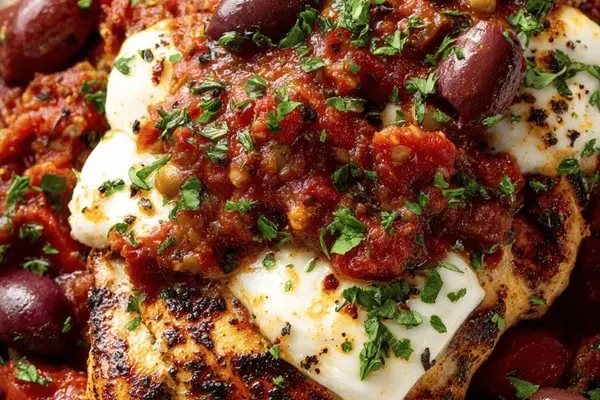
Grilled Chicken Tomato Mozzarella
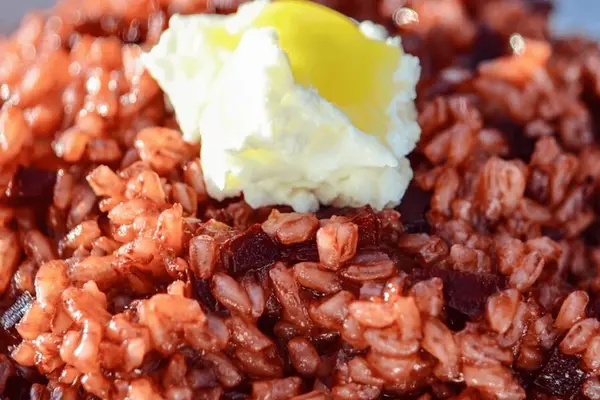
Beet Risotto Twist
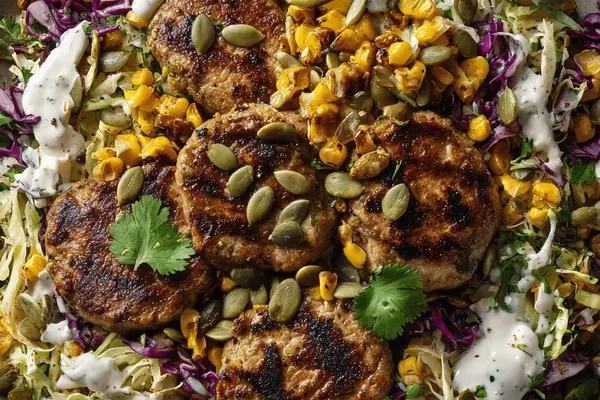
Grilled Corn Slaw Pork Medallions
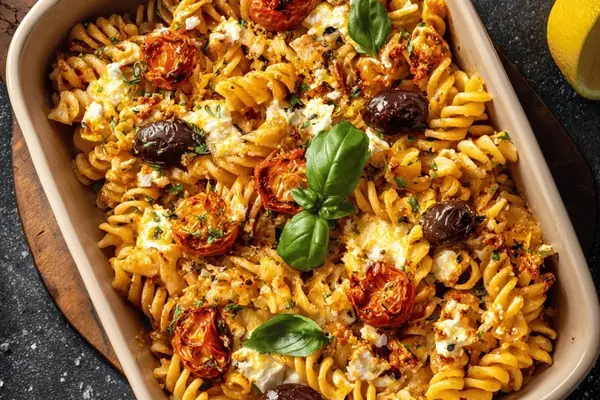
Feta Tomato Fusilli Bake
Creamy Pasta Delight
Chicken Alfredo Twist
Slow Cooker Corned Beef Cabbage
Swedish Meatballs Reworked
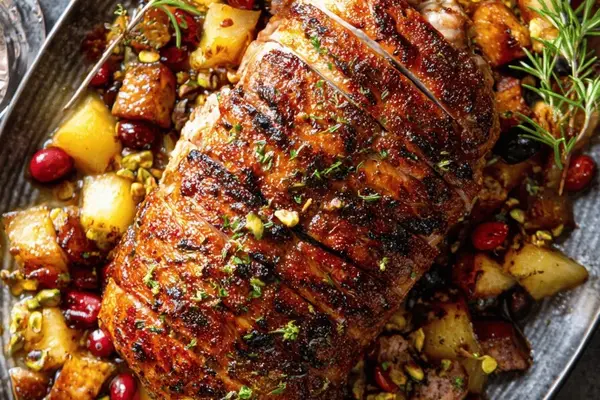
Turkey Pineapple Roast
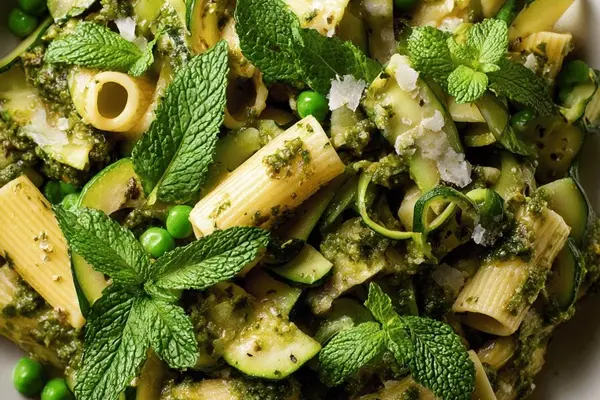
Tubettini with Peas and Ricotta Twist
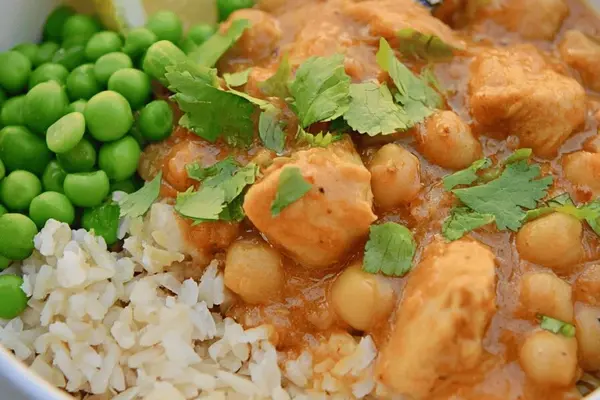
Slow Cooker Chicken Curry
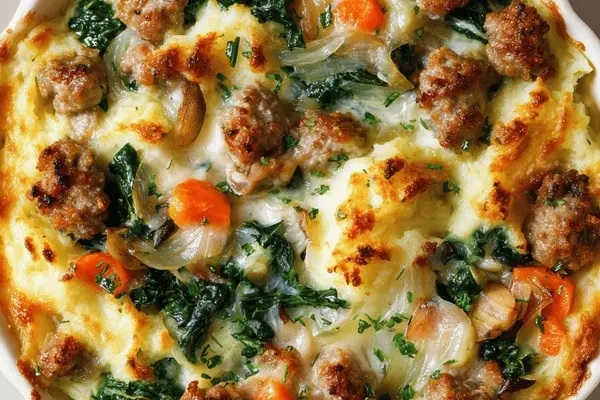
Rustic Sausage Shepherds Pie
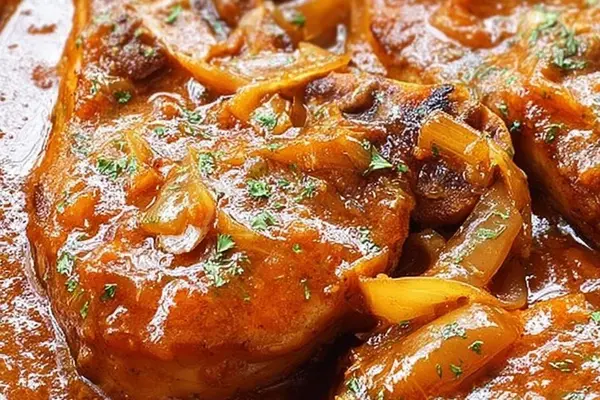
Slow Braised Pork Chops
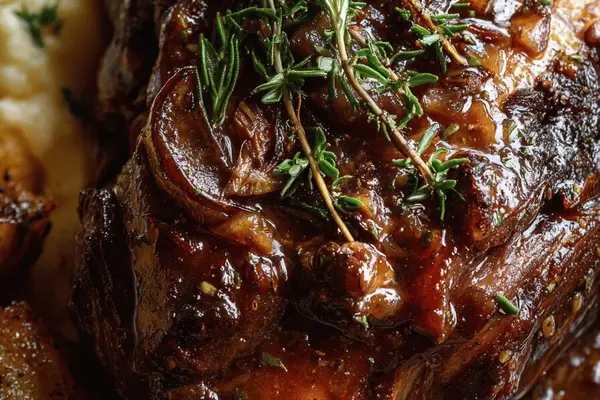
Lamb Leg Slow Braise
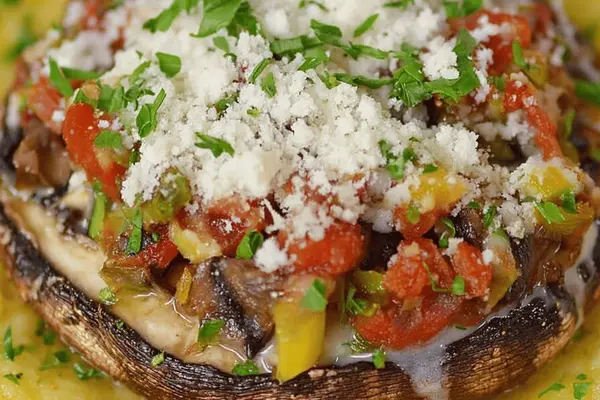
Stuffed Portabella Mushrooms with Polenta
About the ingredients
Yellow onions best for sweetness and texture after long caramelizing but white or even a mix of sweet and red onions change flavor slightly. Butter essential for that rich cooking fat, but can blend half butter half olive oil if concerned about smoking. Wine splash optional but helps deepen flavor and loosens fond; if none, use extra broth or vinegar splash for balance. Garlic quantity balanced so it’s aromatic, not overpowering. Thyme fresh if possible, dried works too but less punch. Red chili flakes add gentle heat; adjust according to tolerance or substitute with smoked paprika for smoky twist. Beef broth adds umami depth, but vegetable stock suits vegetarians well. Mascarpone creamy but replace with cream cheese or ricotta in pinch; expect slight textural difference. Pasta shape with long ribbons best to catch sauce; penne or rigatoni give chunkier bites. Reserve pasta water key to rescue any sauce that grows too thick or clumpy.
Method
- Butter melt in heavy skillet or wide saucepan over medium-high. Watch carefully to avoid browning.
- Add onions in handfuls, stirring often, seasoning lightly with salt early to draw moisture. They should look glossy and start softening after 5 minutes.
- Lower heat to medium-low once softened. Patience essential here. Slow caramelizing for 50-60 minutes. Stir every 3-4 minutes. Look for deep amber hue, jammy texture, no burning.
- If brown residue sticks to pan, splash wine or broth to loosen it, scraping bottom to get all flavor bits.
- While onions work, boil salted water for pasta. Cook until just al dente, firm with slight bite.
- Reserve two cups pasta water before draining. Set pasta aside.
- Add garlic, thyme, chili flakes to onions. Stir until fragrant, about 1 minute. Not too much heat or garlic burns bitter.
- Sprinkle flour over onions, stirring well to coat everything evenly. Cook 2 minutes to get rid of raw flour taste. Flour helps thicken sauce later.
- Gradually pour beef broth, stirring constantly to avoid lumps. Simmer gently 3-4 minutes until slightly thickened.
- Toss pasta into skillet with onions. Pour in half cup reserved pasta water. Stir to combine, pasta soaking in sauce.
- Add mascarpone next with another half cup pasta water. Stir over low heat to melt cheese completely, coating strands creamy and rich.
- Taste now. Adjust salt, pepper. Add more pasta water if sauce feels thick or clumpy, aiming for luscious texture that clings but moves.
- Serve with generous sprinkling fresh grated cheese and parsley for bright finish.
Cooking tips
Start with butter fully melted but not browned. Onions added in batches prevents temperature drop and allows even softening. Salt early to help onions sweat out moisture instead of frying dry. Watch closely after 10 minutes - color changes gradually from pale to honey then deep brown after about an hour. Stir often to avoid scorching but gently; scraping pan bottom carefully keeps fond from burning but don’t over stir or caramelization stalls. Deglazing is both a cleanup and flavor-injection step. Garlic and thyme added mid-way so they don’t burn or taste raw. Flour creates body; mix thoroughly so no clumps form. Slowly adding hottest stock keeps sauce smooth. Offheat tossing keeps cream cheese from breaking or curdling. Taste at end, adjusting seasoning and liquid here is critical. If sauce tightens too much, more pasta water smooths and loosens immediately. Finish with cheese and herbs while hot for best aroma and visuals.
Chef's notes
- 💡 Butter melt steady but don't brown—key start. Onions pile in handfuls prevents temperature crash; salt early draws moisture, that glossy sheen signals softening. Stir often but gentle; scraping pan keeps fond alive but don't overdo or caramelization stalls. Low heat runs long. 50+ minutes for jammy texture and deep amber color plus no burnt spots.
- 💡 If dark residue sticks, not burnt, splash wine or broth quick. Scrape bottom sharp with wooden spoon—fond lifts flavor deep. Skip wine? Vinegar splash or extra broth works too. Deglazing cleans pan and layers aroma; timing key here. Do midway through or when onions cling like glue.
- 💡 Garlic and thyme added late stage—minute max or garlic bitterness kills dish. Chili flakes measured; too much overpowers onion sweetness. Flour dust coats onions well, cook to remove raw taste—a few minutes. Helps sauce thicken without lumps if stirred constantly while adding broth.
- 💡 Broth warmed, poured in slowly while stirring nonstop. Avoid lumps, keep sauce smooth but not runny. Cook gently 3-4 mins to thicken. When tossing pasta in, reserve starchy water key—start with half cup, add more if sauce toughens. Pasta al dente is must; mushy ruins contrast with silk sauce.
- 💡 Mascarpone melts in low heat, coats pasta rich creamy. Switch cream cheese or ricotta but texture varies—less silk but flavor okay. Parsley at end cuts richness. Cheese grating sharp; Parmesan or Pecorino both work. If sauce thick, add more pasta water slowly, stirring—rescue any sauce gone clumpy. Leftovers? Reheat gently with splash broth or water, stir off heat to avoid curdling or clumping cheese.
Common questions
Why caramelize onions so long?
Time breaks down sugars. Deep amber means flavor depth. Too short, raw sharpness lingers. Stir often stops burning but don’t rush caramelization, low heat crucial. Patience yields soft, almost sticky texture.
Can I skip beef broth?
Veg stock works well for vegetarians, less intense but keeps umami. Wine optional, but if none, add vinegar splash or more broth. Broth temp matters—cold stock can shock sauce consistency.
My sauce clumps or too thick?
Add reserved pasta water bit by bit. Starch smooths and loosens. Stir gently over low heat. If cheese not melting fully, remove from direct heat and stir longer. Prevents curdling or grainy texture.
How store leftovers?
Fridge airtight container best. Reheat with splash broth or water on stovetop, plenty stirring. Avoid microwave alone; cheese clumps up fast. Can freeze but texture shifts. Defrost slow, reheat gentle.
You’ll Love These Too
Explore all →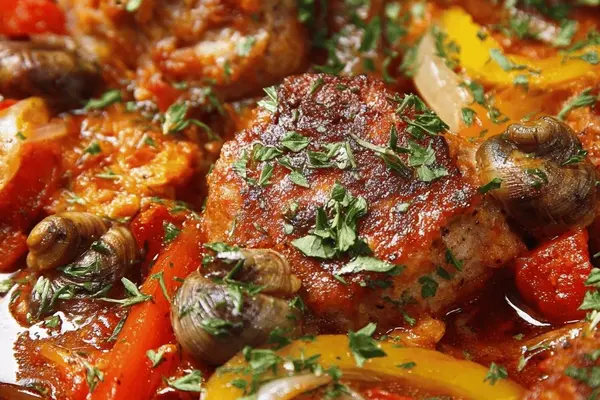
Spicy Sausage Escargots
Andes Mint Cookies
Slow Cooker Chili Remix
Chicken Drippings Gravy
Ham Egg Cheese Biscuit Wafflewiches
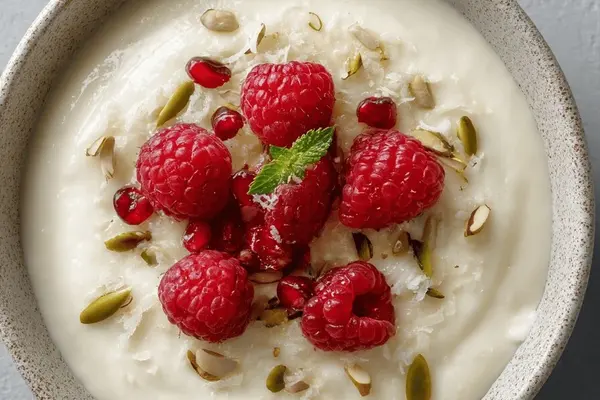
Vanilla Frozen Yogurt Remix
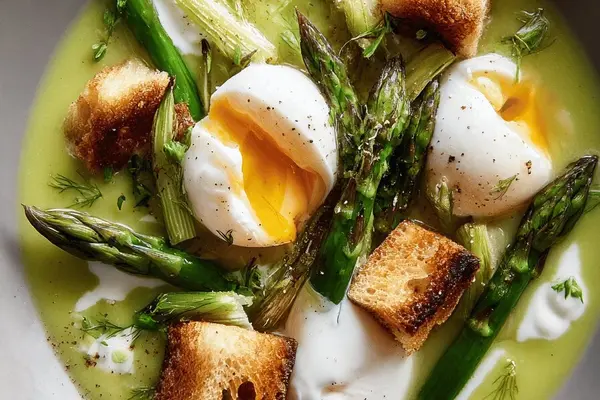
Asparagus Parmesan Velouté with Poached Egg
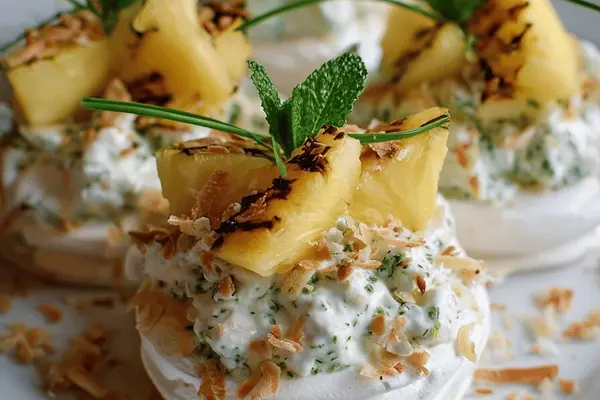
Passionfruit Coco Pavlovas
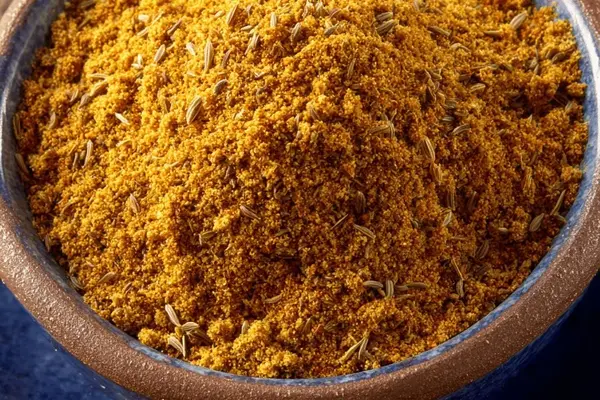
Sweet Spiced Mustard Twist
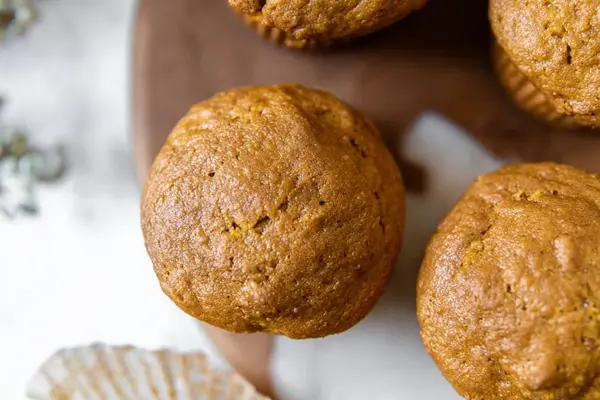
Spiced Pumpkin Muffins
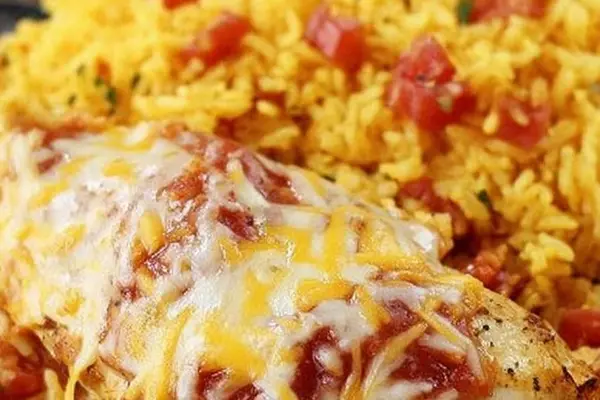
Cheesy Salsa Chicken Rice
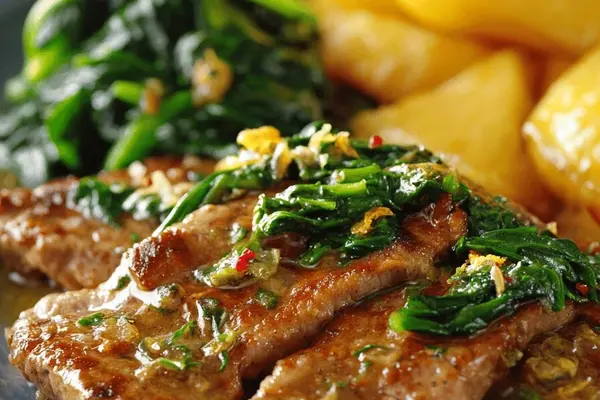
Veal Escalopes Marsala Spinach
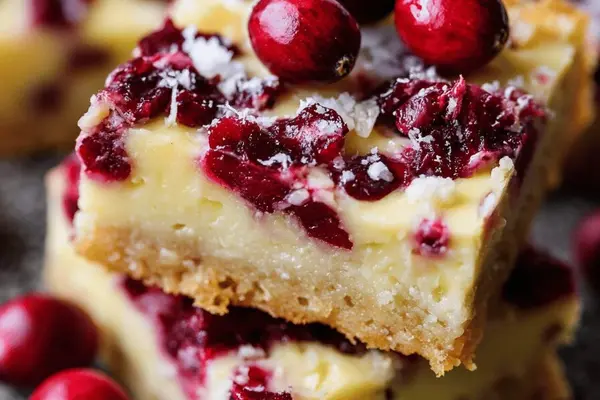
Tart Lime Cranberry Bars
No-Bake Blackberry Cheesecake Remix
Creamy Chicken Rice Soup
Seared Tilapia with Warm Grapefruit Sauce
Spiced Chai Cookies Remix
Pineapple Chicken Slow Cooker
Sunny Eggs Skillet
Crispy Yukon Gold Fries