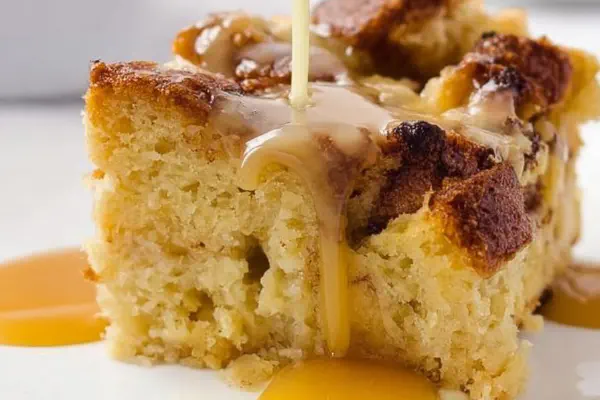
Classic Bread Pudding Remix
E
By Emma
Certified Culinary Professional
•
Recipe tested & approved
Cubed bread soaked in a rich egg custard with milk and spices, baked till golden and tender. Caramel sauce on top, made by simmering brown sugar with cream and butter. A comforting dessert with a warm aroma of cinnamon and nutmeg, slightly crispy edges with a moist center. Best eaten warm right from the oven. Serves ten. Adjust baking time by eye and smell. Sub in whole milk for cream or use maple syrup instead of sugars for a twist. A nostalgic, textured treat with a caramel drizzle that balances sweetness and richness.
Prep:
20 min
Cook:
50 min
Total:
1h 10min
Servings:
10 servings
#American
#dessert
#comfort food
#cinnamon
#nutmeg
#caramel
#bread pudding
Before You Start
Bread pudding. Something I return to when craving comfort — that mix of soft and crispy, sweet-spiced custard with that burnt-sugar caramel crack on top. Not fancy; homey. Learned early that soaking is everything—too short, dry bites; too long, mush city. Spice ratios matter—too much nutmeg, you lose subtlety; cinnamon? Essential. Butter? Don’t skimp. Tried higher oven temps; ended up with crust too tough, center dry. Low and slow wins hands down. caramel sauce connects the whole, made while pudding bakes, filling the kitchen with sweet, buttery aroma. Some tried sugar substitutes but ended browned the sauce less, texture flatter. Came around to brown sugar for best depth. Leftovers? Reheat gently or lose magic. Not just dessert, a slice of nostalgia turned gold.
Ingredients
- 1 loaf sturdy white bread, cut into 1-inch cubes
- 4 large eggs
- 3 cups whole milk (or 2 ½ cups milk plus ½ cup cream for extra richness)
- ½ cup granulated sugar (reduce to ⅓ cup if very sweet bread)
- ½ cup dark brown sugar (sub maple syrup for unique flavor)
- 1 ½ teaspoons pure vanilla extract
- 1 ½ teaspoons ground cinnamon
- ¼ teaspoon freshly grated nutmeg
- 5 tablespoons unsalted butter, melted and divided
- FOR THE CARAMEL SAUCE
- ¾ cup packed light brown sugar
- ¾ cup heavy cream (sub full-fat coconut milk if dairy-free)
- 5 tablespoons unsalted butter
- ¾ teaspoon vanilla extract
In The Same Category · Desserts
Explore all →
Blackberry Buckle Twist
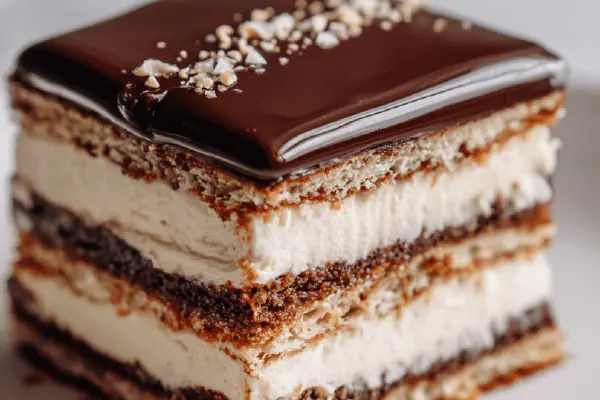
Opera Cake Redux
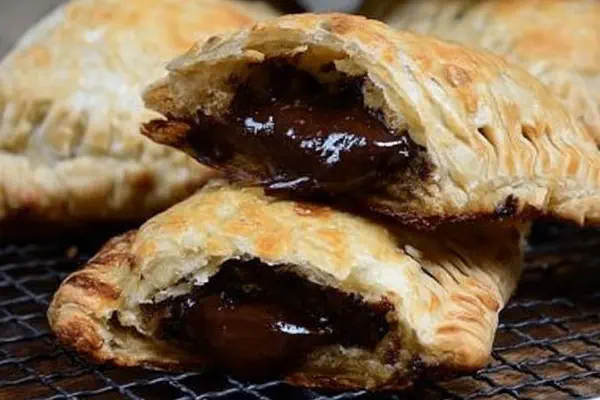
Choco Biscuit Turnovers
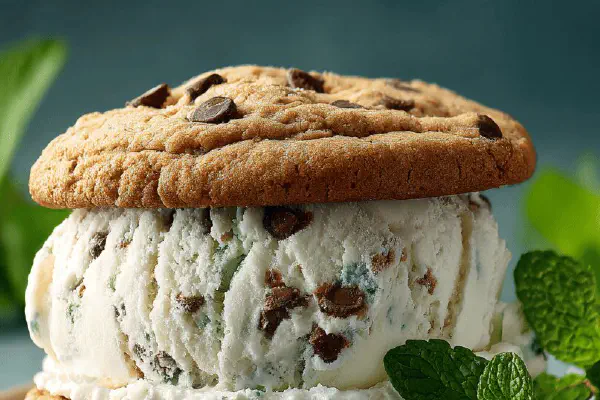
Giant Choc Chip Ice Cream Sandwich
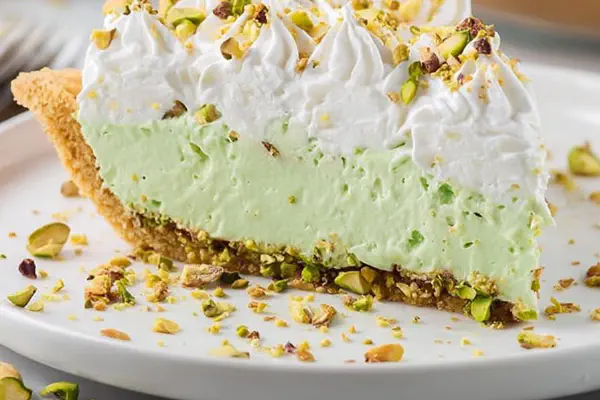
Twisted Pistachio Cream Pie

Pineapple Blueberry Crisp
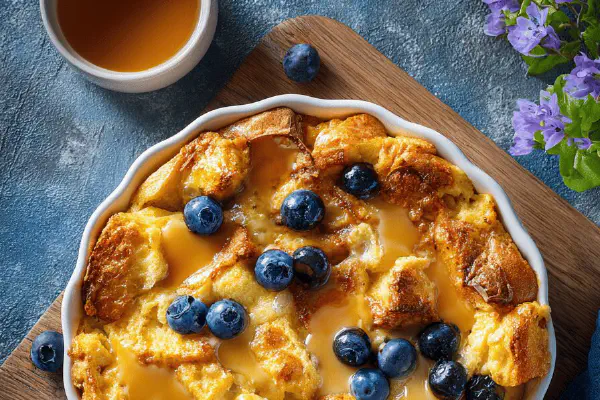
Blueberry Bread Pudding Maple Sauce

Banana Cake Twist
Chunky Peanut Toffee Bark
Pumpkin Cheesecake Brownies
No-Bake Blackberry Cheesecake Remix
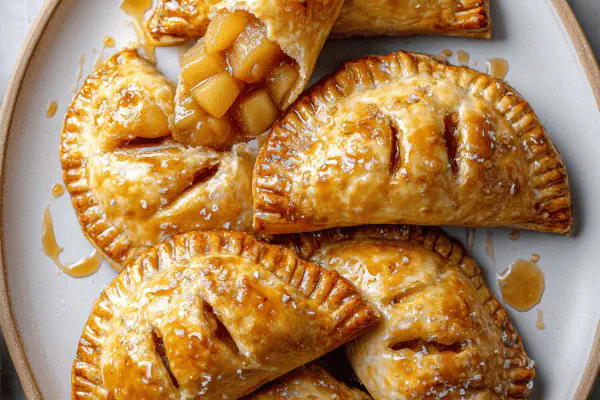
Caramelized Pear Hand Pies
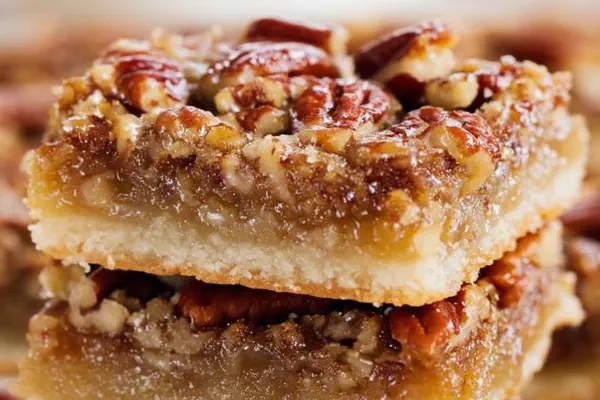
Twisted Pecan Pie Bars
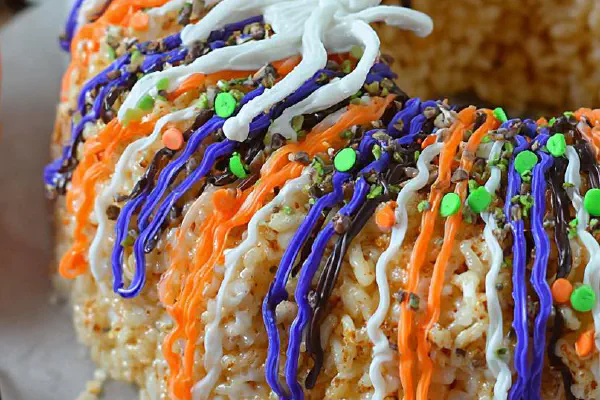
Halloween Rice Krispie Cake
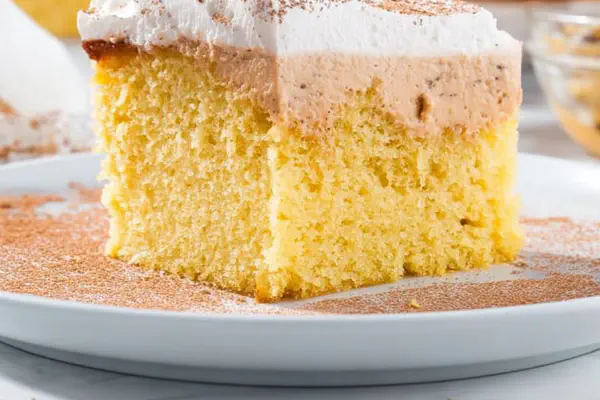
Pumpkin Magic Cake
Apple Slab Pie Remix

Lemon Cream Cheese Pie
Apricot Coconut Bars
Classic Apple Tart
Lemon Butter Frosting Remix
About the ingredients
Bread is foundation—day-old rustic white, sourdough or slightly sweet challah changes texture and flavor profile drastically. Milk and cream combo creates richness but can tweak based on diet or preference; plant milks tend to thin custard. Sugars split between granulated and brown provide caramel complexity; swapping maple syrup or honey can add distinctive warmth but lowers custard firmness. Butter is non-negotiable; melted and drizzled enhances texture and flavor. Cinnamon crucial but freshly ground nutmeg adds depth; too much overwhelms, so measure carefully. Vanilla binds everything with fragrance. Caramel sauce needs constant attention—stir often to prevent burning. Vanilla in sauce is last-minute, retaining brightness.
Method
- Coat a 9 x 13 baking dish lightly with nonstick spray or butter; prevents sticking, crucial for cleanup.
- Toss the bread cubes evenly in the dish; loaf choice matters here — day-old or slightly stale bread absorbs custard better and avoids sogginess.
- In a mixing bowl, beat eggs vigorously; add milk, sugars, vanilla, cinnamon, and nutmeg next. Whisk to fully combine—don’t under-mix or you’ll have pockets of flavor that aren’t evenly distributed.
- Pour custard over bread cubes. Press gently with a spatula to push bread down, letting it soak completely—ideal soaking time varies, but I let it rest 12 minutes for maximum pellucid custard absorption.
- Drizzle 5 tablespoons melted butter over soaked bread surface. This extra fat creates crispy edges and buttery richness; skip or reduce if worried about calories but flavor diminishes.
- Preheat oven to 325°F instead of higher baking heat; slower bake means custard sets without cracking, edges turn golden but not burnt. Bake uncovered for 50 to 55 minutes, or until crust is deeply golden and center just set but still jiggles slightly if nudged—overbaking dries pudding.
- While baking, create caramel sauce: In a medium saucepan over medium heat, combine brown sugar, heavy cream, and butter. Stir intermittently. Listen to bubbling sounds; when sauce thickens and darkens slightly (5 to 7 minutes), remove from heat.
- Immediately whisk in ¾ teaspoon vanilla. Taste here. Sauce should be luscious, balanced sweet and buttery—not grainy or burnt.
- Once pudding’s out, pour caramel evenly on top; sauce will glisten and soak in immediately with steamy warmth. Serve warm—cooling dulls textures; if you want leftovers, refrigerate and reheat gently with splash of cream.
- For variations, swap cinnamon with cardamom or add orange zest for brightness. Toss in chopped nuts or dried fruit. Using brioche or challah bread ups richness but adjust soaking time to prevent mushiness.
- Common pitfall: pouring custard unevenly leads to dense pockets; patience to soak fully is essential. If crust browns too fast, shield loosely with foil halfway through baking.
- Storage tip: keeps 3 days refrigerated. Can freeze but tends to get soggy once thawed; better reheated from fridge with caramel on side.
Cooking tips
Nonstick spray or butter on pan crucial to avoid sticky mess; I’ve learned the hard way. Bread cube evenness matters to soak uniformly; chase clumps. Whisk custard thoroughly, avoid layering flavors unevenly. Pour custard slowly, press down for absorption—washed out bread means bland pudding. Drizzling butter after soaking seals top for crunch. Oven at 325°F, not hotter, so custard sets gently; watching crust browning is key. Jiggle test better indicator than clock. Caramel watch closely—too hot burns, too cool lacks texture. Whisk vanilla post-heat only. Pour caramel while pudding’s hot for perfect melding. Let rest minutes before serving; too hot sensitivity burns tongue, too cold dulls. Throw leftovers briefly back in oven with bit of cream before serving next day. Avoid foil tenting first 30 min; want air to crisp top, then shield if overbrowning.
Chef's notes
- 💡 Use sturdy bread cubes, no fresh loaf. Stale or day-old bread soaks custard without falling apart. Toss cubes uniform size; clumps trap dry pockets. Press gently after pouring custard; it forces absorption for moist bites. Wait 10-15 minutes before baking; custard needs soaking time to avoid dry spots. Drizzle melted butter after soaking - adds richness and helps crisp edges. Skip if counting calories but expect less crunch and flavor.
- 💡 Oven at 325°F keeps custard from cracking or drying out. Higher temps make crust too tough fast, center underdone. Bake uncovered at least 50 minutes; jiggle test beats timer—center should wobble slightly, not liquid. Shield with foil halfway if top browns too quickly. Low and slow is key for custard texture. Watch aroma cues: sweet butter and cinnamon signals near done.
- 💡 Caramel needs constant stir to avoid scorching. Medium heat, listen for bubbling—5 to 7 minutes usually. Thickening shows in sound and sight; sauce darkens slightly but not burned. Remove heat promptly, whisk in vanilla last to retain brightness and aroma. Grainy or burnt sauce means heat too high or left too long. Cool slightly before pouring, sauce soaks in better warm pudding.
- 💡 Sub whole milk for cream combos if wanting less richness; custard thins, soak time shortens to avoid mush. Maple syrup swap for sugars adds flavor depth, but custard sets softer. Coconut milk sub for sauce makes dairy-free version; sauce thickens slower, watch carefully. Brioche or challah breads give richer texture but soak less evenly; reduce soaking time or risk mush centers.
- 💡 Timing is sensory. Smell cinnamon and nutmeg as soon as you whisk custard; faint nutmeg hints warn don’t add more. Listen to caramel bubble, watch thickness, swirl for shine. Oven smell shifts from eggy custard to deep buttery caramel - texture change point. After baking, caramel sheen on pudding signals immediate serving window. Cool too long, textures dull; reheat gently with a splash of cream to revive.
Common questions
How long should bread soak?
About 10-15 minutes is best. Short soak leaves dry patches; too long mushy blobs. Press bread down to push custard in evenly. Varies with bread type too; stale soaks fast, brioche slower.
Can I use different sugars?
Yes, maple syrup swaps for brown or granulated sugars add warm notes but soften custard. Brown sugar gives caramel depth. Adjust soak and bake times slightly; syrup thins custard.
My pudding cracked on top, fix?
Lower oven temp; high heat causes crust cracks fast. Bake slow at 325°F. Tent foil halfway if top browns fast but center not ready. Also avoid over-mixing custard; helps smooth set.
How to store leftovers?
Refrigerate 3 days max; pudding soggs. Freeze not recommended unless eaten fast. Reheat gentle with bit cream or milk splash—restores moistness. Caramel stored separate keeps texture better, pour before serving.
You’ll Love These Too
Explore all →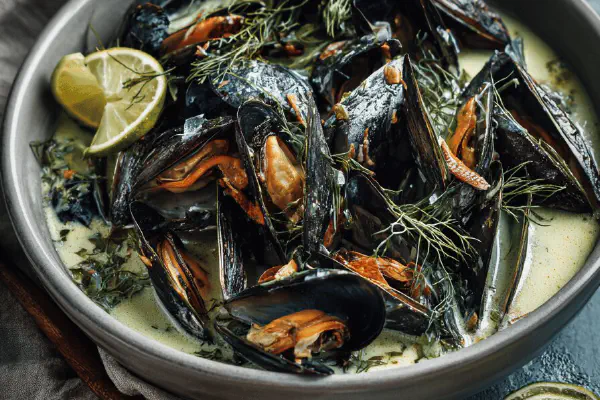
Mussels in Creamy Coconut

Red Wine Sangria Twist
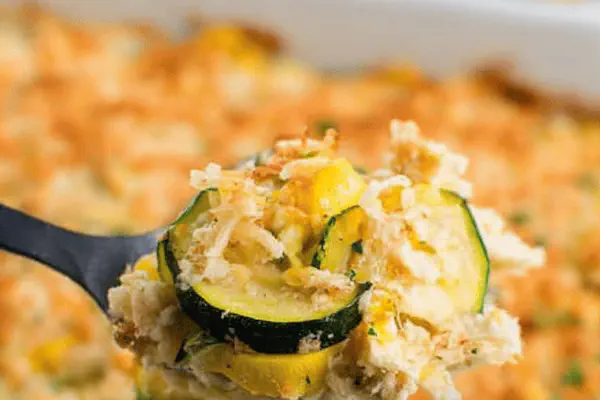
Cheesy Zucchini Bake
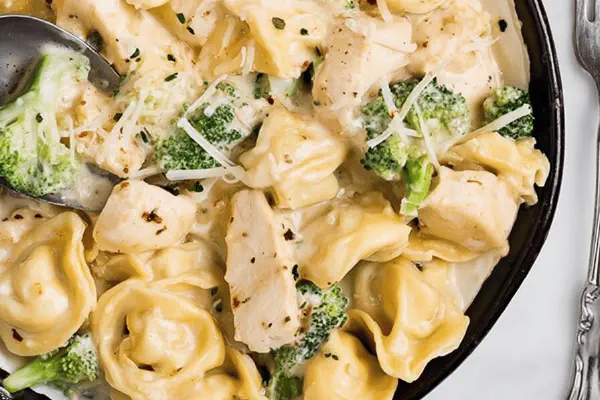
Chicken Broccoli Tortellini
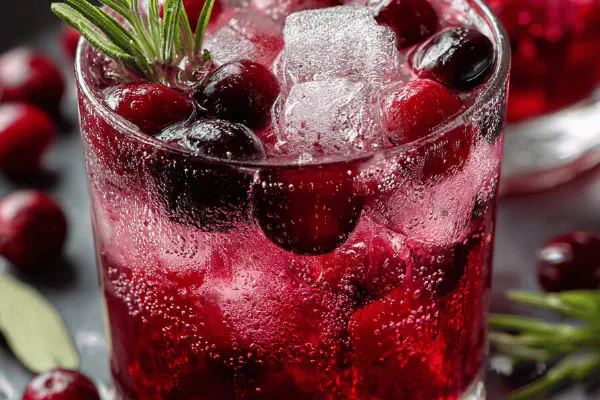
Holiday Cranberry Punch Twist

Spiced Lamb Kebbés
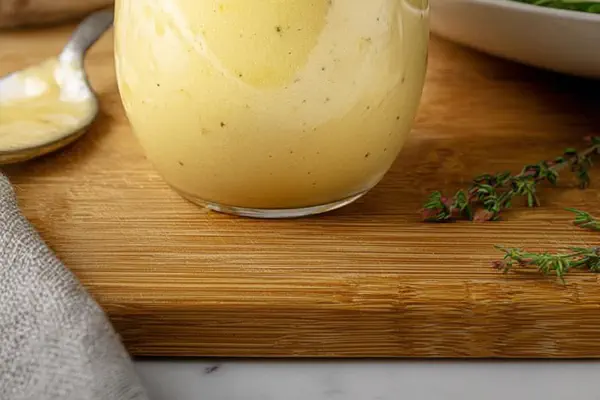
Creamy Butter Wine Sauce
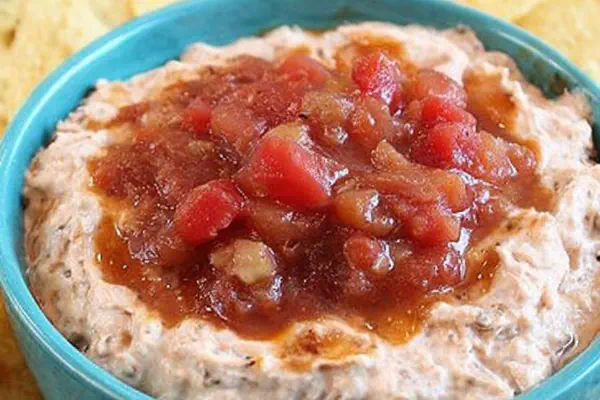
Chunky Salsa Chicken Dip
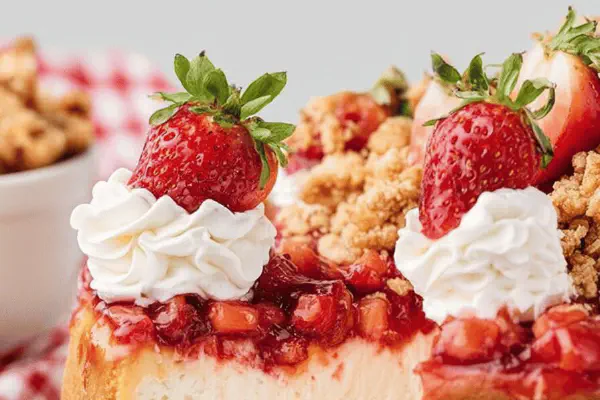
Strawberry Crunch Cheesecake

Cookie Dough Truffles Remix

Ricotta Spinach Fazzoletti

Sheet Pan Quesadillas

Classic Spiced Eggnog
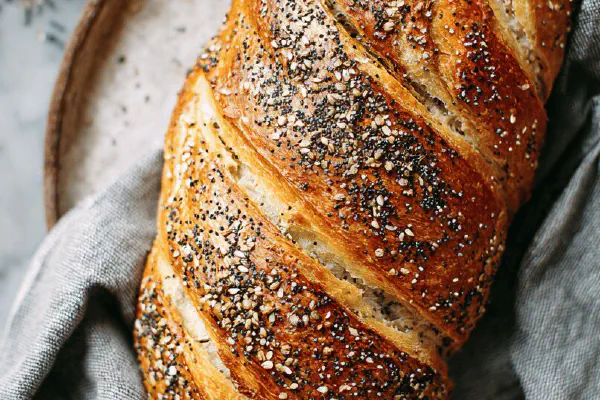
Seeded Ciabatta Twist
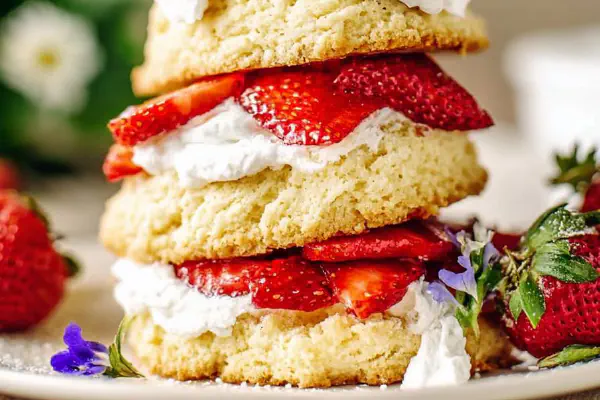
Classic Strawberry Shortcake
White Chocolate Cranberry Oatmeal Cookies
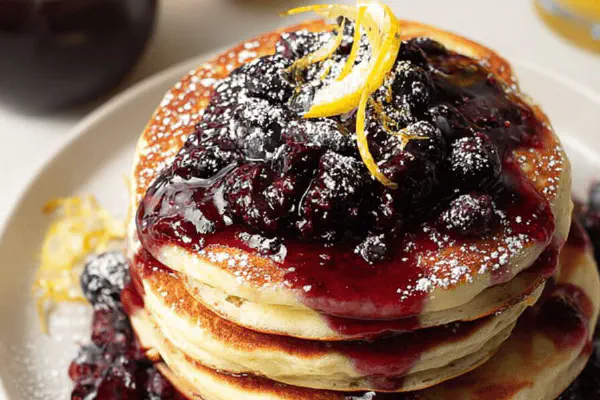
Lemon Souffle Pancakes
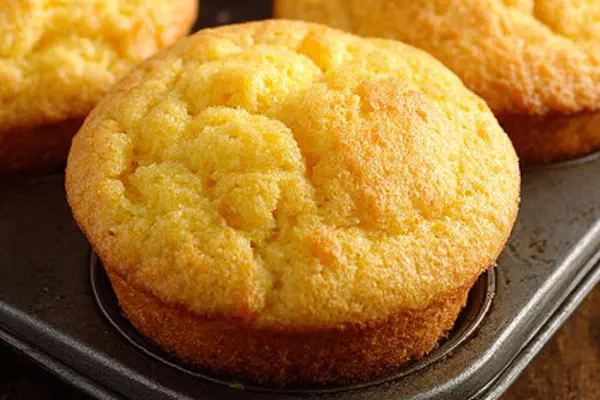
Twisted Jiffy Cornbread Muffins

Caprese Pesto Quesadillas
Dry Pancake Mix